
Services
Posture Realignment in Los Angeles — Correcting Structure, Not Just Position

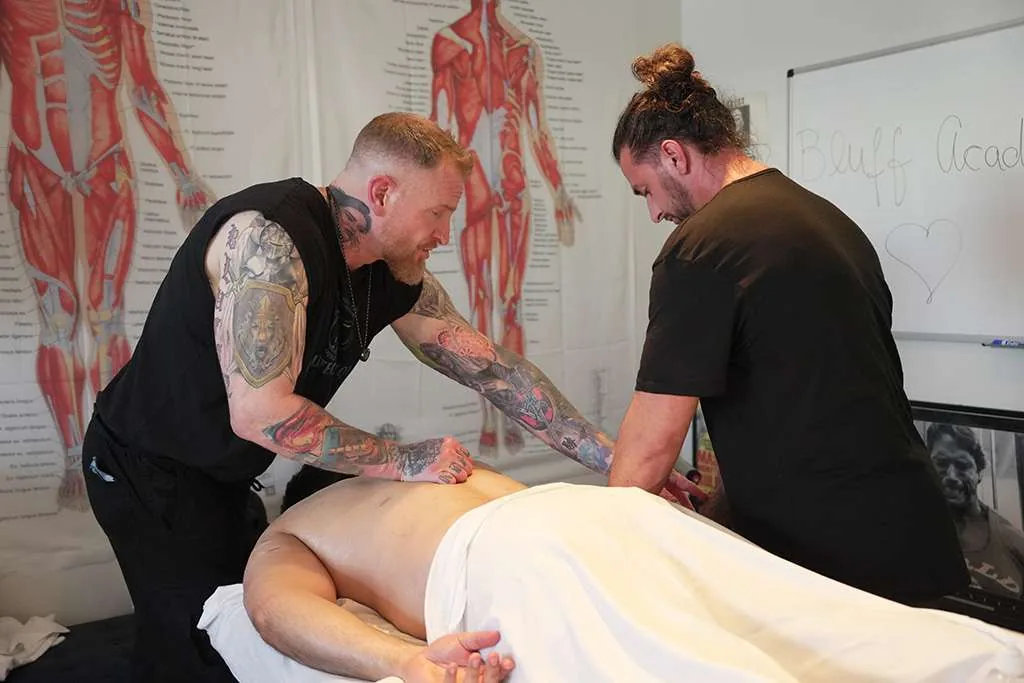
Poor posture is not a habit you can fix with a reminder to sit up straight. It is a structural problem — driven by fascial restriction, muscular imbalance, and compensatory movement patterns that have been reinforced over months or years. Telling someone with restricted thoracic fascia and a collapsed anterior chain to "pull their shoulders back" is like telling someone with a broken leg to walk normally. The instruction is correct. The structure cannot comply.
At The Bluff Technique Healing Center in Westwood, Los Angeles, posture realignment is approached as a structural intervention — not a behavioral correction. Jimmy Bluff's Advanced Muscle Reconstruction (AMR™) method addresses the fascial and connective tissue architecture driving postural collapse, structural asymmetry, and the pain patterns that inevitably accompany them.
Why Posture Breaks Down — and Why It Matters
Poor posture is commonly associated with neck and back pain, headaches and reduced physical performance. But posture does not collapse because people are lazy or inattentive. It collapses because the fascial system — the structural scaffolding of the body — develops restrictions that pull the skeleton out of its optimal alignment and lock it there.
Common drivers of structural postural breakdown:
- Occupational patterns — extended screen time, desk work, driving, and repetitive occupational movements that load the anterior fascial chain and restrict thoracic extension
- Injury compensation — movement pattern alterations adopted to protect an injured area that become structurally encoded in the fascia long after the injury heals
- Surgical history — abdominal, spinal, and joint surgeries create fascial adhesions that fundamentally alter postural mechanics
- Athletic loading — high-volume training in anterior-dominant movement patterns (pressing, squatting, running) without equivalent posterior fascial restoration
- Scoliosis and structural asymmetry — rotational and lateral fascial imbalances that alter the fundamental organization of the skeletal structure
Left unaddressed, postural breakdown does not stay in the posture. It becomes chronic back pain, sciatica, neck pain, migraines, and frozen shoulder. It accelerates joint degeneration. It reduces athletic output. It limits life.
The AMR™ Posture Realignment Approach
Posture realignment through the AMR™ method begins with a full structural assessment: standing postural analysis from all planes, functional movement screening, and a detailed intake covering injury history, occupational demands, athletic history, and prior treatments.
Jimmy maps the fascial restriction pattern driving your postural presentation — identifying primary restrictions, compensation chains, and the structural sequence that needs to be addressed to produce lasting correction.
Treatment addresses:
Anterior chain release — hip flexors, psoas, diaphragm, and thoracic fascial structures driving forward head posture, rounded shoulders, and lumbar flattening are among the most common postural drivers in Los Angeles's predominantly desk-based, entertainment-industry, and tech-professional population.
Posterior chain restoration — thoracolumbar, gluteal, and cervical fascial release to restore extensor function and structural support.
Lateral and rotational balance — addressing the fascial asymmetries that produce scoliotic patterns, shoulder height discrepancy, and rotational dysfunction — particularly relevant for athletes and performers whose training or performance demands load the body asymmetrically.
Pelvic and sacral alignment — the pelvis is the structural foundation of the spine. AMR™ addresses sacroiliac fascial restriction, iliolumbar ligament involvement, and pelvic floor fascial contribution to postural dysfunction.
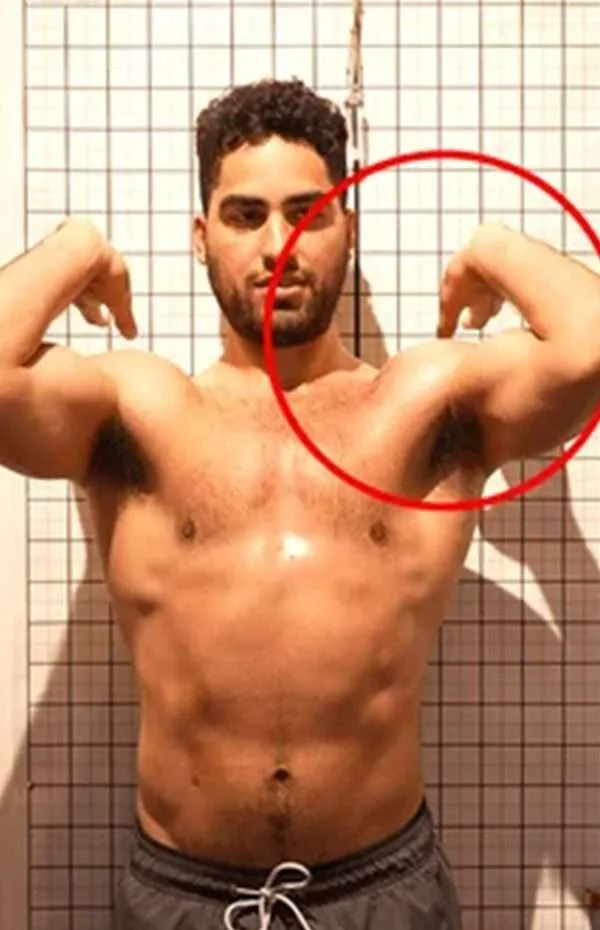
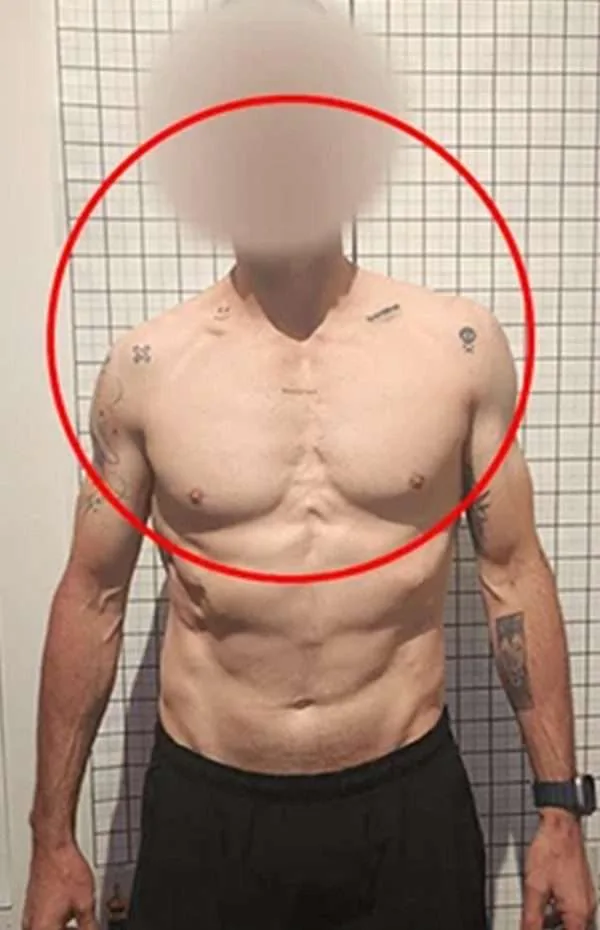
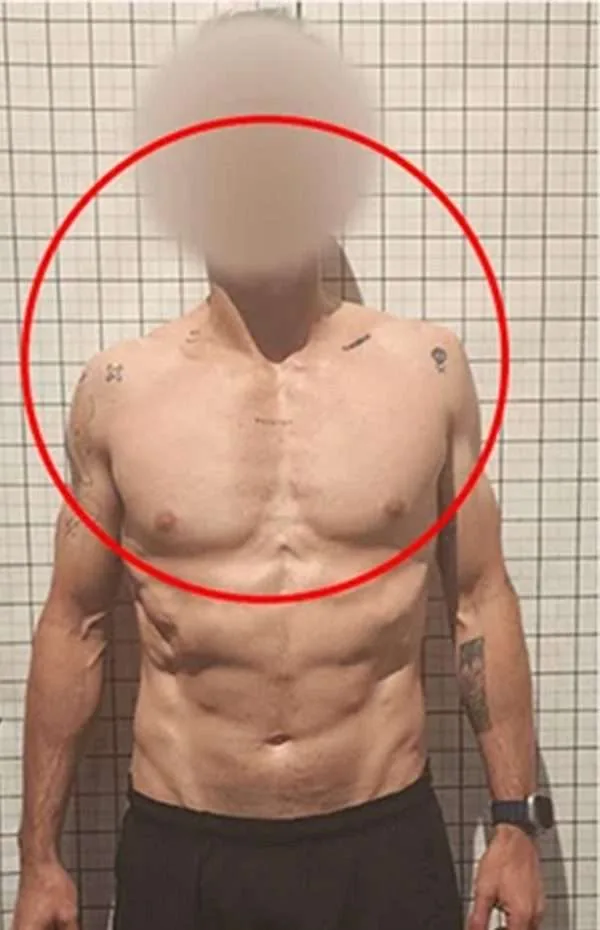
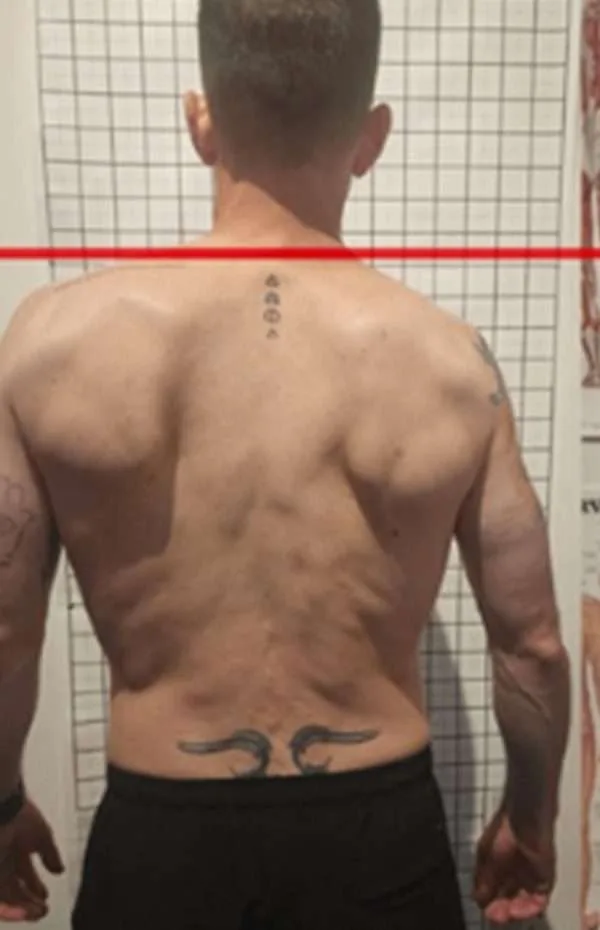
Measurable outcomes from AMR™ posture realignment include documented improvements in plumb-line alignment, shoulder symmetry, lumbar curve normalization, and cervical position — changes visible on serial postural photography and functional assessment.
Who Posture Realignment Is For
- Desk workers, professionals, and executives spending 6+ hours daily in seated postures — a significant portion of Jimmy's Beverly Hills, West Hollywood, and Culver City clientele
- Athletes with asymmetrical loading patterns — particularly bodybuilders, golfers, tennis players, and cyclists
- Clients with scoliosis or known structural asymmetry
- Anyone whose chronic pain — back pain, sciatica, neck pain — has a clear postural driver
- Post-surgical clients whose structural alignment was compromised by their procedure or recovery
- Individuals who have completed chiropractic or PT and want to maintain and reinforce their structural gains through fascial work
Jimmy serves posture realignment clients from Westwood, Santa Monica, Brentwood, Beverly Hills, West Hollywood, Pacific Palisades, Culver City, and Hollywood. National concierge sessions available.
Related services: myofascial release therapy, chronic pain relief, post-surgical recovery.
Frequently Asked Questions — Posture Realignment
Can posture realignment actually change my structure permanently?
Yes — when the fascial restrictions driving postural collapse are resolved, the structural correction is lasting. This is different from exercises or stretches that temporarily improve position without changing the underlying fascial architecture. AMR™ changes the tissue. The structural improvement follows and holds.
How long does posture realignment take?
Simple postural presentations — primarily anterior chain restriction from desk work — often show significant improvement in 5–8 sessions. Complex presentations involving scoliosis, surgical history, or long-standing multi-region restriction typically require 12–20 sessions. Jimmy will assess and project your timeline during your initial evaluation.
Should I do posture realignment before or after chiropractic?
Both approaches are complementary. Many clients find that AMR™ fascial work significantly improves the results and durability of chiropractic adjustment by releasing the soft tissue restriction that pulls the skeleton back out of alignment after each adjustment. Jimmy can coordinate with your chiropractor.
Can posture realignment help with scoliosis?
Yes. AMR™ does not straighten the spine, but many scoliotic clients report meaningful pain reduction and visible postural improvement. The fascial asymmetry maintaining scoliotic curvature is a direct target of the AMR™ structural correction sequence. See our dedicated scoliosis page.
Is this appropriate for children and teenagers?
Yes. Adolescent scoliosis and postural dysfunction in young athletes respond particularly well to AMR™ fascial work, which is appropriate for all ages.
-
“I have struggled with persistent back pain from long hours of sitting at a computer. And one 2 hour session with Jimmy — I have felt zero pain. It’s been two weeks. Not even a hint of pain since our...
Read More Jacob KreuzGoogle review
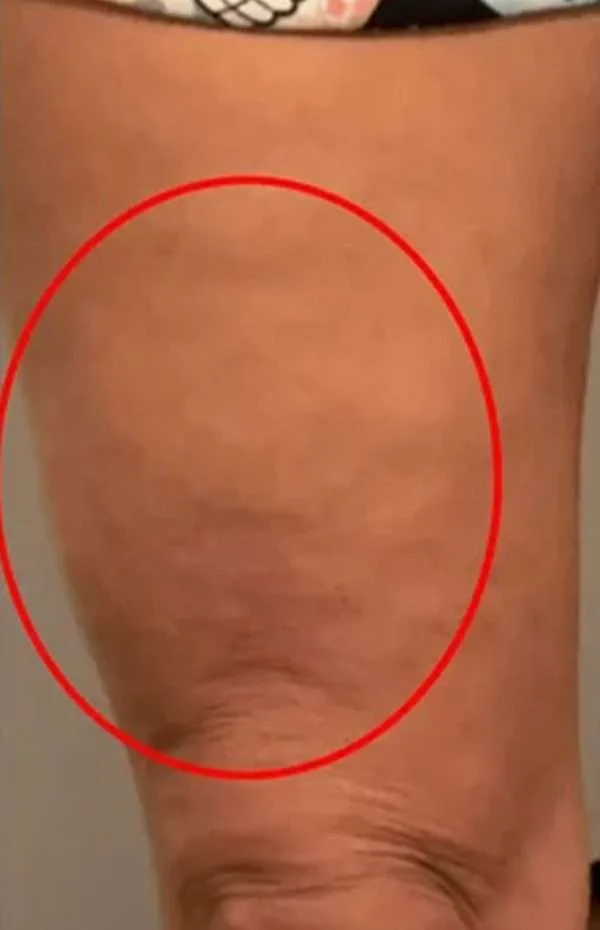 Before
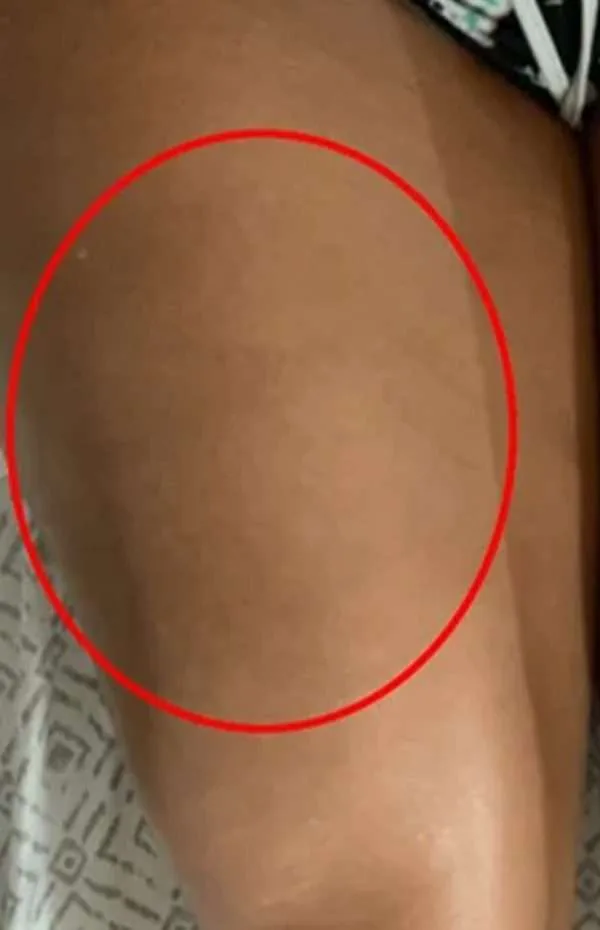 After
Reduced Tissue Congestion Reduced tissue congestion and improved skin tone following targeted Bluff Technique work. -
“Jimmy’s work on chronic back and feet pain was amazing! We traveled from Idaho to see him, as we had heard great things about him and his healing techniques. It was very much worth the trip and plan to see...
Read More Kristen PowellGoogle review
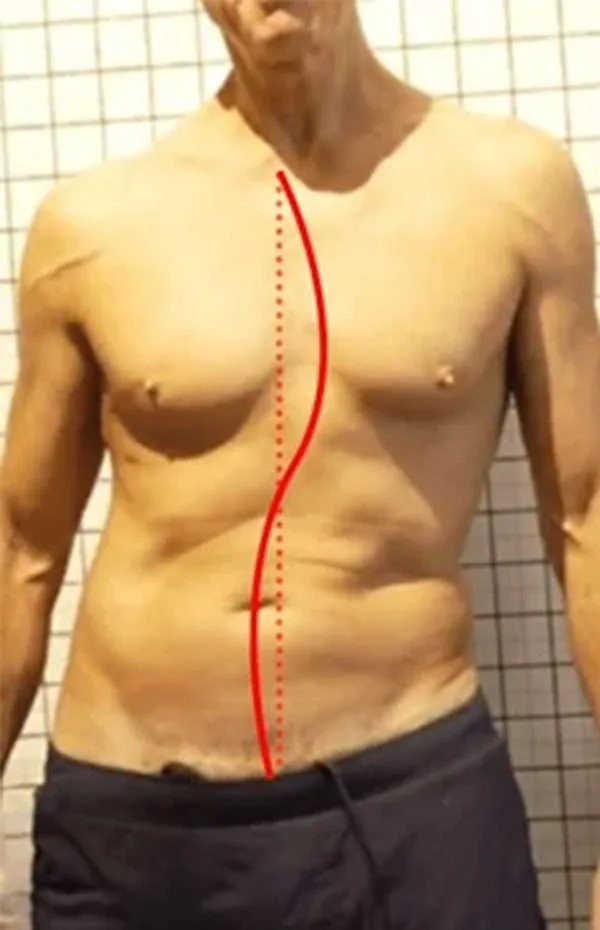 Before
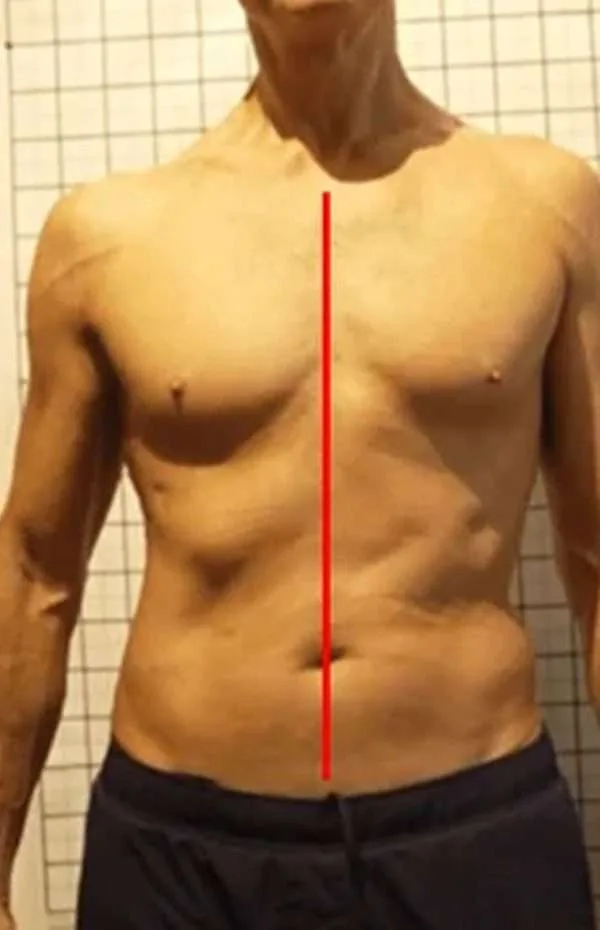 After
Enhanced Muscle Recovery Enhanced muscle recovery and overall movement quality after consistent sessions. -
amazing/magical! I stood up straight for the first time in years!
 Albie SelznickGoogle review
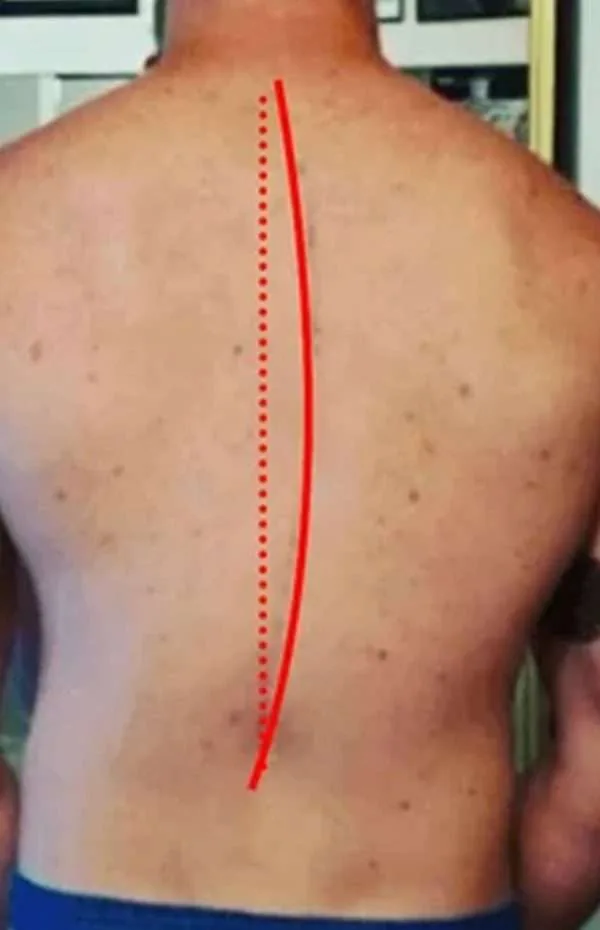 Before
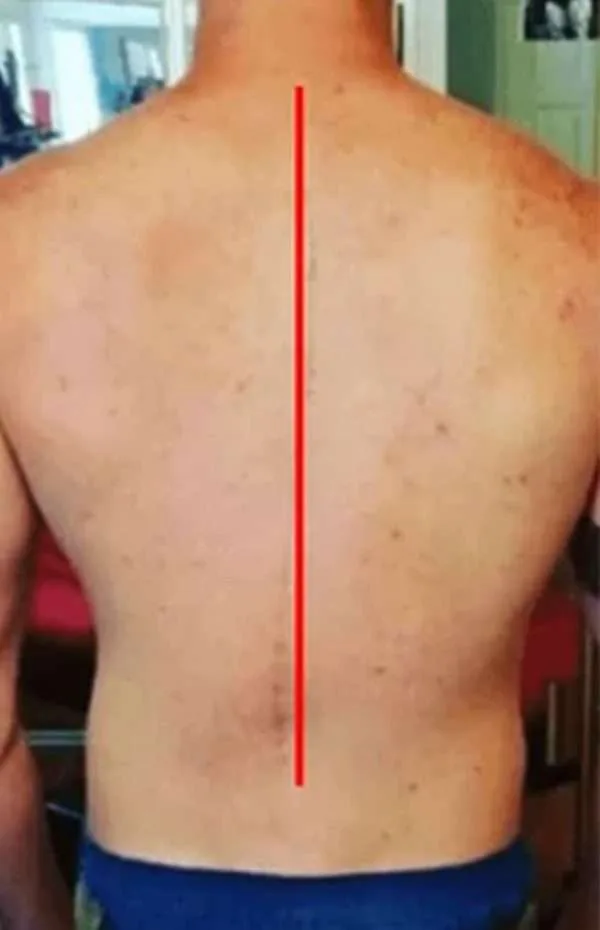 After
Hip Alignment Better hip alignment and smoother lower-body movement through hands-on fascial release. -
“Jimmy is always professional when I go see him for treatment. He takes his time addressing your problem areas and listens to any questions you might have. One of the few places where you go and can see immediate changes...
Read More Oscar GomezGoogle review
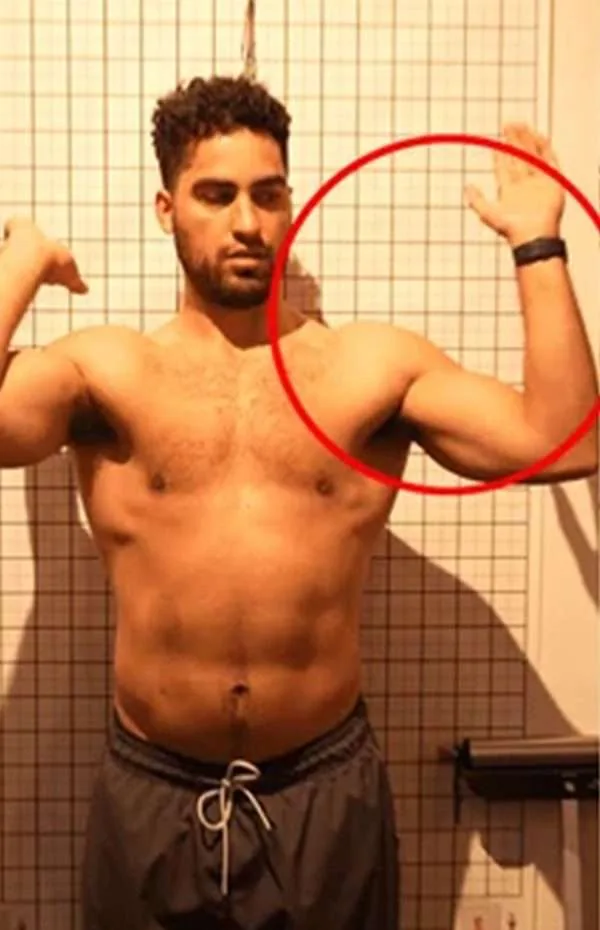 Before
 After
Increased Shoulder Range of Motion Increased shoulder range of motion and reduced tension after AMR sessions. -
“Wow !! What a truly beautiful and powerful experience. Jimmy and Maria are so wonderful and have created a great environment for healing.”
 Jamie Pierce-ElwellGoogle review
 Before
 After
Posture Improvement Noticeable postural improvement with less upper-body tension after targeted manual work. -
Everything else was a waste of time… High vibration Good Vibes effective healing
 James MarsGoogle review
 Before
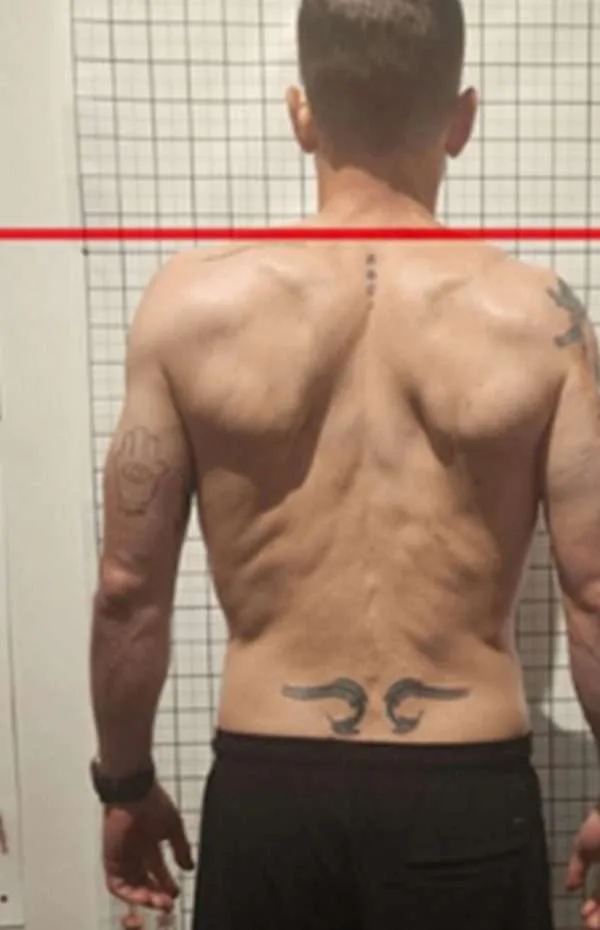 After
Neck & Upper-Back Mobility Improved neck and upper-back mobility following focused myofascial work.
Reviews and photos are shown separately. A review may not be from the client pictured.
Visit Us in Westwood
The Bluff Technique Healing Center



Contact Us
We’d love to hear from you
For more information or to get a free quote, call us at (570) 228-9132 or complete the contact form.
