
Conditions
Fibromyalgia Treatment in Los Angeles — A Structural and Whole-Person Approach


Fibromyalgia is one of the most misunderstood, most undertreated, and most stigmatized conditions in modern medicine. For people living with fibromyalgia, which the National Institute of Arthritis and Musculoskeletal and Skin Diseases describes as a chronic disorder causing pain and tenderness throughout the body, the experience is often compounded not just by widespread pain, fatigue, and cognitive fog — but by the repeated message from the healthcare system that their pain is "not real," that nothing structural is causing it, and that their only options are medications with significant side effects and lifestyle modifications that barely move the needle.
At The Bluff Technique Healing Center in Westwood, Los Angeles, Jimmy Bluff does not treat fibromyalgia patients that way. He treats them the way every complex pain patient deserves to be treated: as someone whose pain is real, whose structural presentation is addressable, and whose quality of life can meaningfully improve through the right intervention.
That intervention is AMR™ fascial therapy — and for fibromyalgia patients, it is one of the most structurally and clinically appropriate treatments available.
The Fascial Dimension of Fibromyalgia
Fibromyalgia is characterized by widespread musculoskeletal pain, fatigue, sleep disturbance, and cognitive symptoms. The National Institute of Arthritis and Musculoskeletal and Skin Diseases describes fibromyalgia as involving altered signaling in the nerve pathways that carry pain, a process researchers often call central sensitization.
The National Center for Complementary and Integrative Health lists massage and other manual and body-based therapies among the complementary approaches studied for fibromyalgia.
Researchers continue to study the fascial system's role in fibromyalgia. The National Library of Medicine's StatPearls reference notes that deep fascia contains many sensory nerve endings. A plausible view is that restricted, irritated fascia adds to the pain signals a sensitized nervous system is already amplifying, which would mean the widespread restriction commonly seen in fibromyalgia clients is part of the picture, not just a side effect of it.
Release the fascial restriction. Reduce the peripheral pain input. Give the central nervous system less to amplify. This is the structural logic of AMR™ for fibromyalgia — and it is why many fibromyalgia clients find gentle, whole-body fascial therapy easier to tolerate than other manual treatment.
Why AMR™ Is Appropriate for Fibromyalgia
Fibromyalgia patients are notoriously sensitive to aggressive manual therapy. Deep tissue massage, trigger point work, and high-pressure techniques frequently cause post-treatment flares that set patients back significantly and reinforce their avoidance of bodywork entirely.
AMR™ is the opposite of aggressive. The no-force, sustained-engagement approach of the Bluff Technique is specifically designed to work with hypersensitive tissue — engaging at the fascial barrier without pressure, without pain, and without the post-treatment inflammatory response that conventional deep work triggers in sensitized patients.
The whole-body sequencing of AMR™ also matches the whole-body nature of fibromyalgia. Rather than targeting local tender points — an approach that both misses the systemic nature of the condition and frequently aggravates the point directly treated — AMR™ works with the full-body fascial network, addressing the systemic restriction pattern through a systematic structural sequence.
What fibromyalgia patients experience through AMR™ treatment:
- Progressive reduction in the baseline level of whole-body tension and holding
- Improved sleep quality — frequently one of the earliest and most consistent improvements reported
- Reduced fatigue as the energy cost of maintaining a chronically restricted fascial system diminishes
- Localized pain reduction in primary symptom regions — commonly the cervical, thoracic, and lumbar spine, shoulder girdle, and hip regions
- Improved cognitive clarity as sleep, pain, and nervous system regulation improve together
- Gradual reduction in the frequency and severity of flare events
The AMR™ Fibromyalgia Protocol
Fibromyalgia treatment at The Bluff Technique is paced deliberately. Initial sessions are shorter, lighter, and focused on establishing tissue trust — developing the client's confidence that bodywork does not mean pain, and that the fascial system can release without being forced.
As tissue compliance and client confidence develop, sessions progressively deepen — working through the primary restriction chains of the whole-body fascial system in a systematic sequence. Maria Bluff's somatic coaching is frequently integrated into fibromyalgia work, addressing the nervous system regulation and psychological dimensions of a condition where, as MedlinePlus notes for chronic pain generally, mood and stress can make pain worse.
For fibromyalgia clients, Jimmy also coordinates with treating physicians, rheumatologists, and other members of the care team — providing documentation and session notes to support integrated management.
Related services: holistic bodywork, myofascial release therapy, chronic pain relief, fascia release therapy.
Related conditions: migraines and tension headaches, neck pain, back pain, TMJ pain.
Who Fibromyalgia Treatment Is For
- Diagnosed fibromyalgia patients seeking a structural, non-pharmaceutical complement to their management plan
- Chronic widespread pain sufferers who have not received a fibromyalgia diagnosis but whose pain pattern — widespread, fatigue-associated, stress-sensitive, treatment-resistant — fits the fibromyalgia profile
- Clients who have had negative experiences with aggressive bodywork and need a gentle, tissue-respectful approach
- Fibromyalgia patients with significant co-occurring conditions — TMJ, migraine, IBS, pelvic pain — where the fascial system is a shared structural contributor
- Clients in Westwood, Beverly Hills, Brentwood, Santa Monica, West Hollywood, Pacific Palisades, Culver City, and Hollywood — and nationally through concierge sessions
Frequently Asked Questions — Fibromyalgia
Is myofascial therapy safe for fibromyalgia given how sensitive the condition is?
Yes — and AMR™ is one of the safest manual therapy options for fibromyalgia precisely because it does not use force or pressure. The no-force, sustained-engagement approach is specifically appropriate for hypersensitive tissue presentations. Jimmy has extensive experience pacing and calibrating treatment for fibromyalgia patients with significant sensitivity.
Will AMR™ cause a flare?
Properly delivered AMR™ is designed to avoid post-treatment flares. The most common post-session response for fibromyalgia patients is mild fatigue and a sense of deep release — not pain aggravation. This is in sharp contrast to deep tissue massage and trigger point work, which frequently cause significant flares in sensitized patients.
Does this treat fibromyalgia as a whole condition or just pain?
The whole condition — sleep, fatigue, cognitive symptoms, and pain are all addressed through the combined effect of fascial restriction reduction, nervous system regulation, and Maria Bluff's somatic coaching integration. Many fibromyalgia clients report that sleep and cognitive clarity improve before their pain does.
How long does fibromyalgia treatment take?
Fibromyalgia is a complex, systemic condition that responds gradually. Most clients notice meaningful improvement in sleep and fatigue within 4–6 sessions and progressive pain reduction over a 15–20 session protocol. Ongoing maintenance sessions are typically part of a long-term management strategy. Jimmy will discuss realistic expectations at your initial consultation.
Can I do this while taking my fibromyalgia medications?
Yes. AMR™ fascial therapy can be used alongside standard fibromyalgia medications. Jimmy will review your current medication list during intake and coordinate with your prescribing physician as appropriate.
-
“I have struggled with persistent back pain from long hours of sitting at a computer. And one 2 hour session with Jimmy — I have felt zero pain. It’s been two weeks. Not even a hint of pain since our...
Read More Jacob KreuzGoogle review
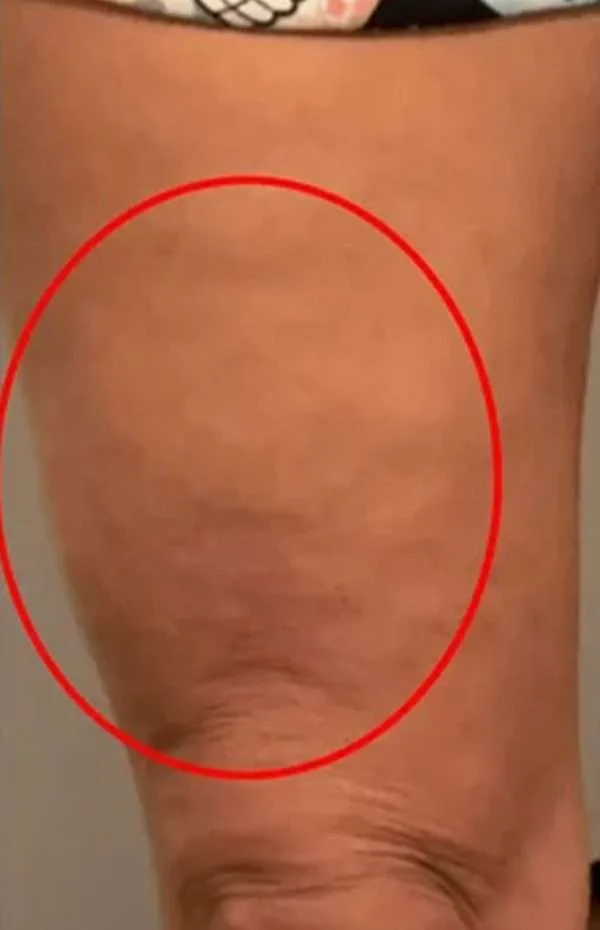 Before
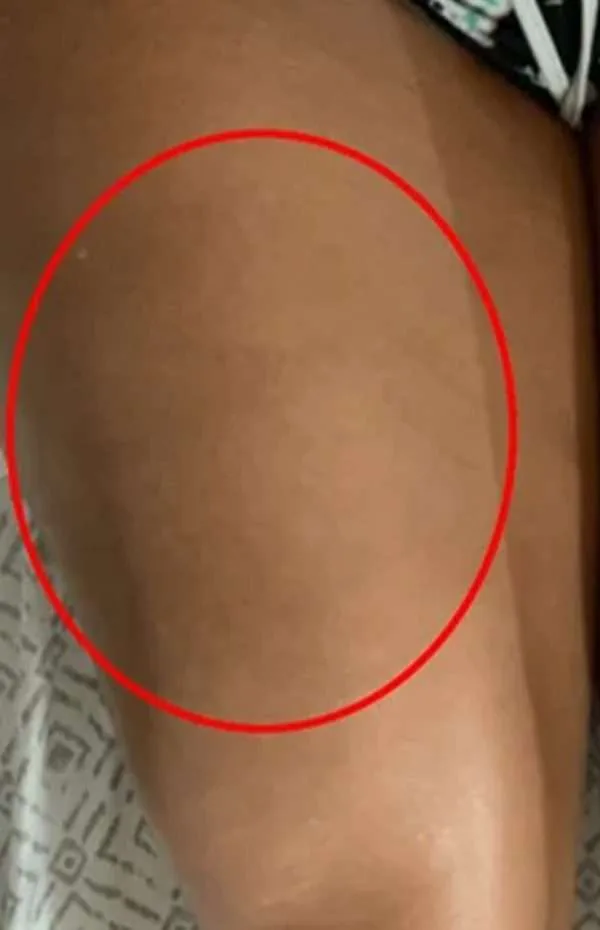 After
Reduced Tissue Congestion Reduced tissue congestion and improved skin tone following targeted Bluff Technique work. -
“Jimmy’s work on chronic back and feet pain was amazing! We traveled from Idaho to see him, as we had heard great things about him and his healing techniques. It was very much worth the trip and plan to see...
Read More Kristen PowellGoogle review
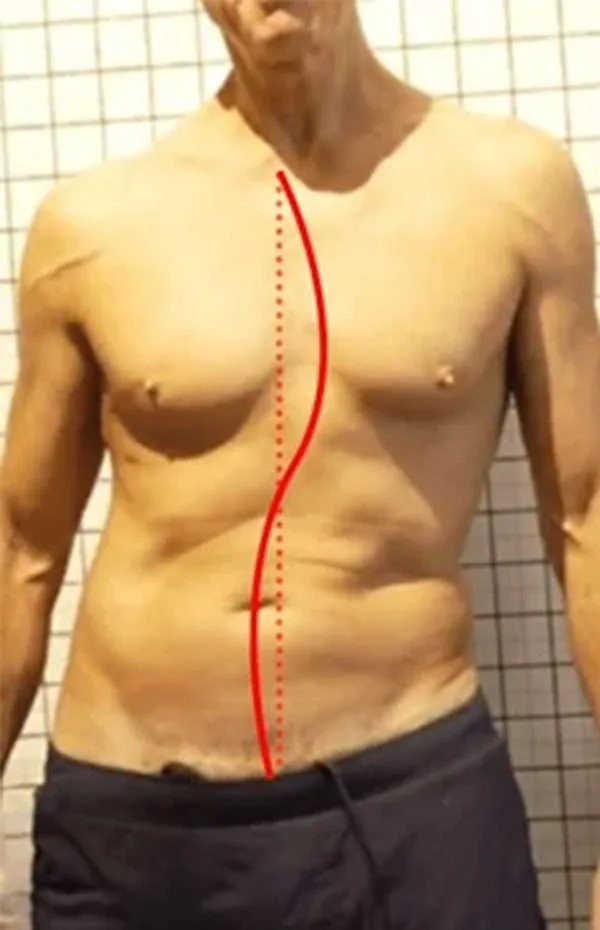 Before
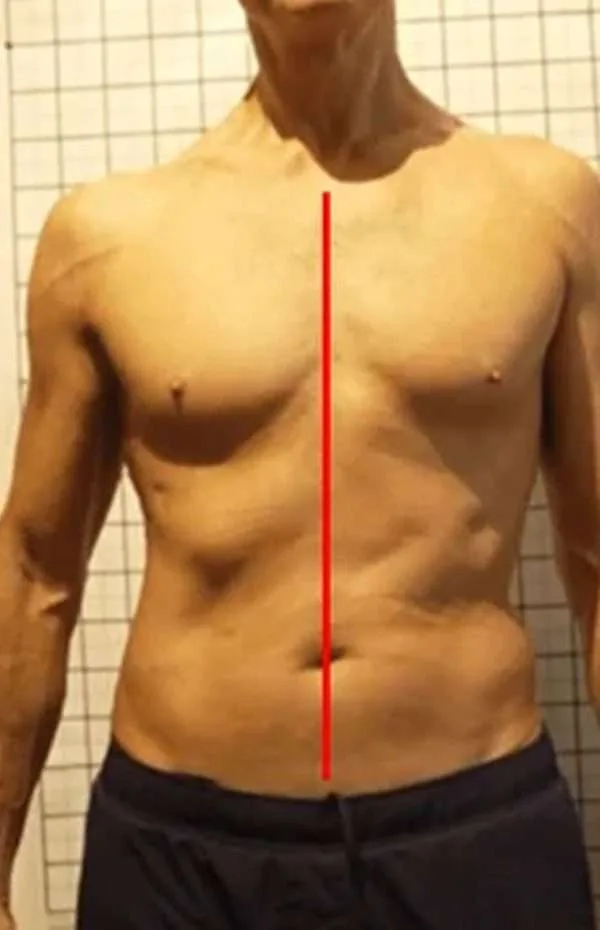 After
Enhanced Muscle Recovery Enhanced muscle recovery and overall movement quality after consistent sessions. -
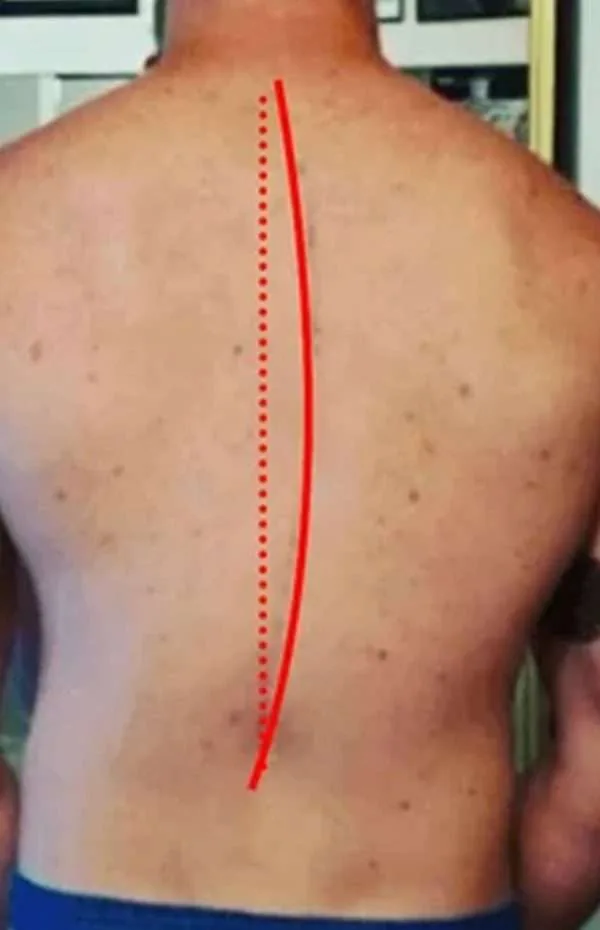
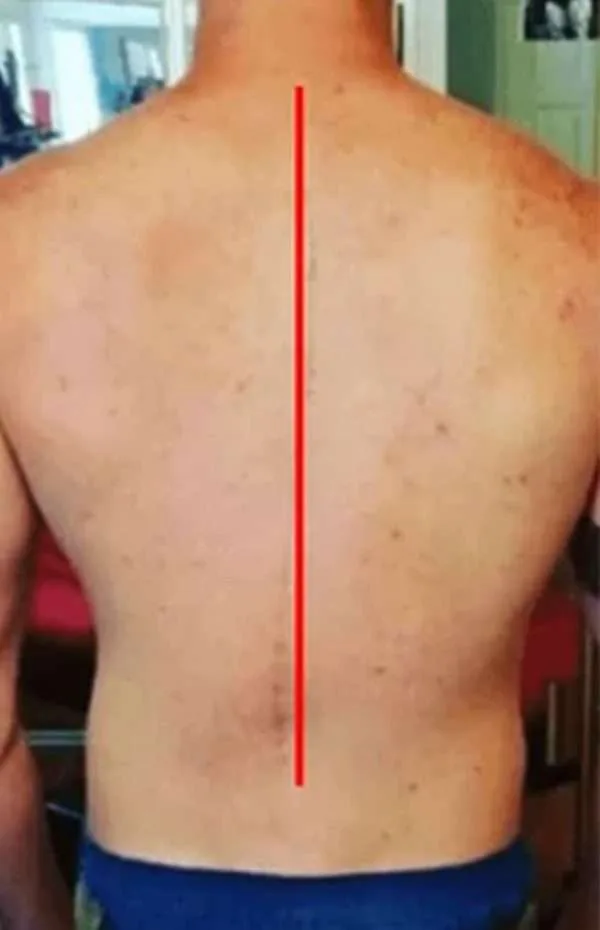
amazing/magical! I stood up straight for the first time in years!
 Albie SelznickGoogle review
 Before
 After
Hip Alignment Better hip alignment and smoother lower-body movement through hands-on fascial release. -
“Jimmy is always professional when I go see him for treatment. He takes his time addressing your problem areas and listens to any questions you might have. One of the few places where you go and can see immediate changes...
Read More Oscar GomezGoogle review
 Before
 After
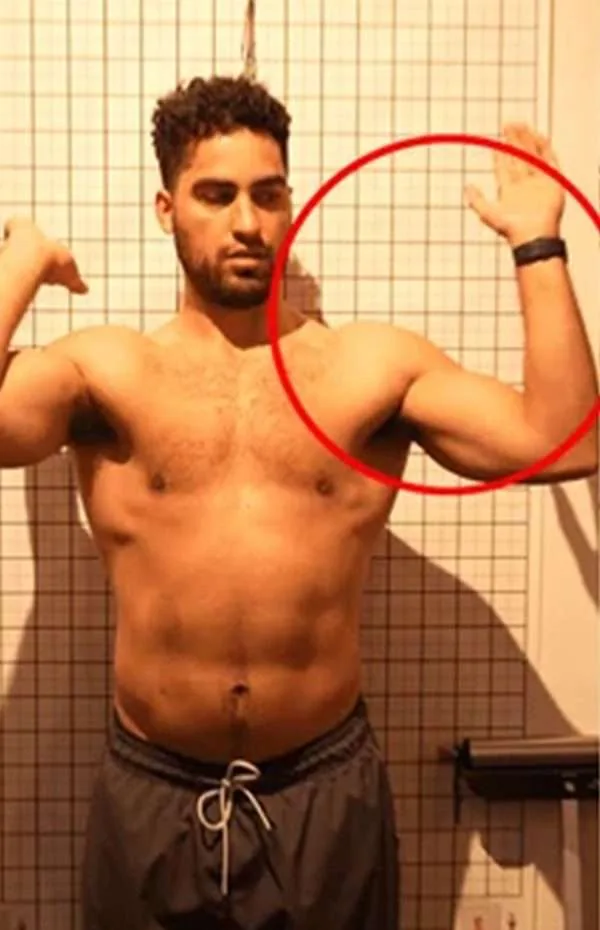
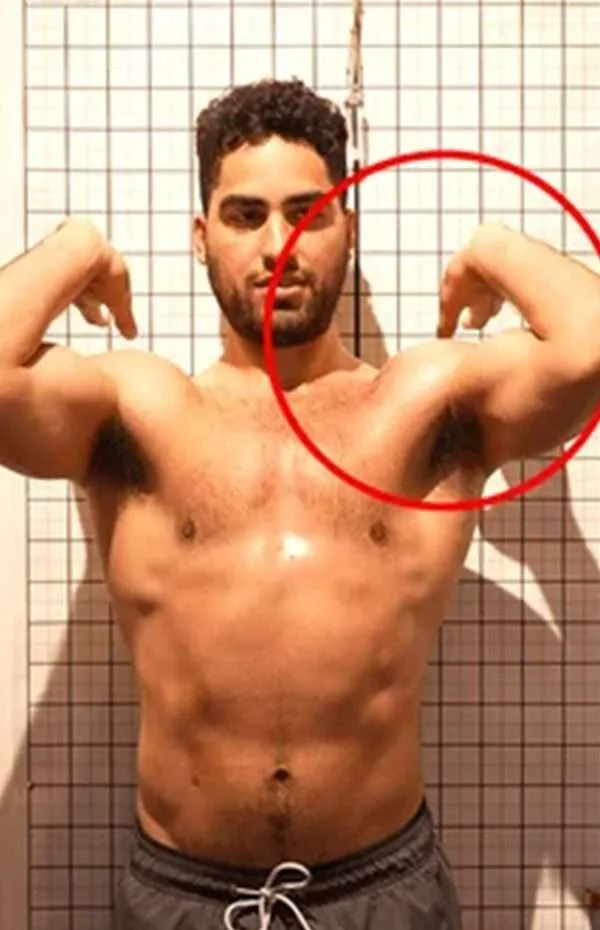
Increased Shoulder Range of Motion Increased shoulder range of motion and reduced tension after AMR sessions. -
“Wow !! What a truly beautiful and powerful experience. Jimmy and Maria are so wonderful and have created a great environment for healing.”
 Jamie Pierce-ElwellGoogle review
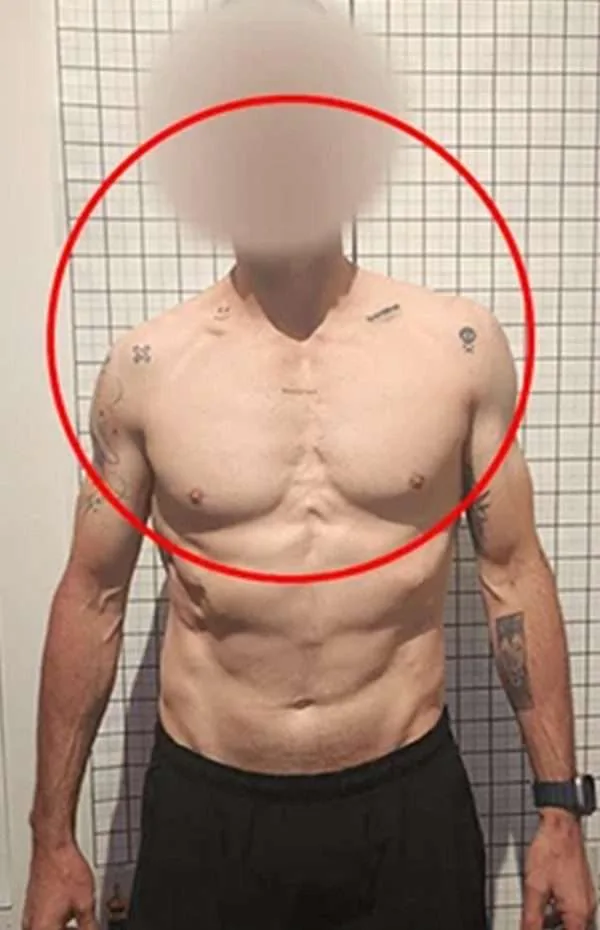 Before
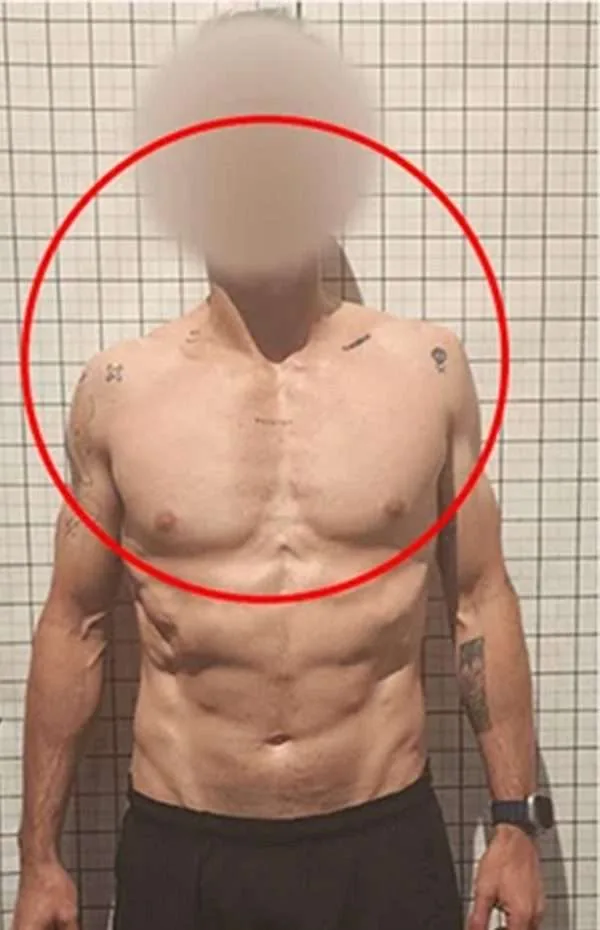 After
Posture Improvement Noticeable postural improvement with less upper-body tension after targeted manual work. -
Everything else was a waste of time… High vibration Good Vibes effective healing
 James MarsGoogle review
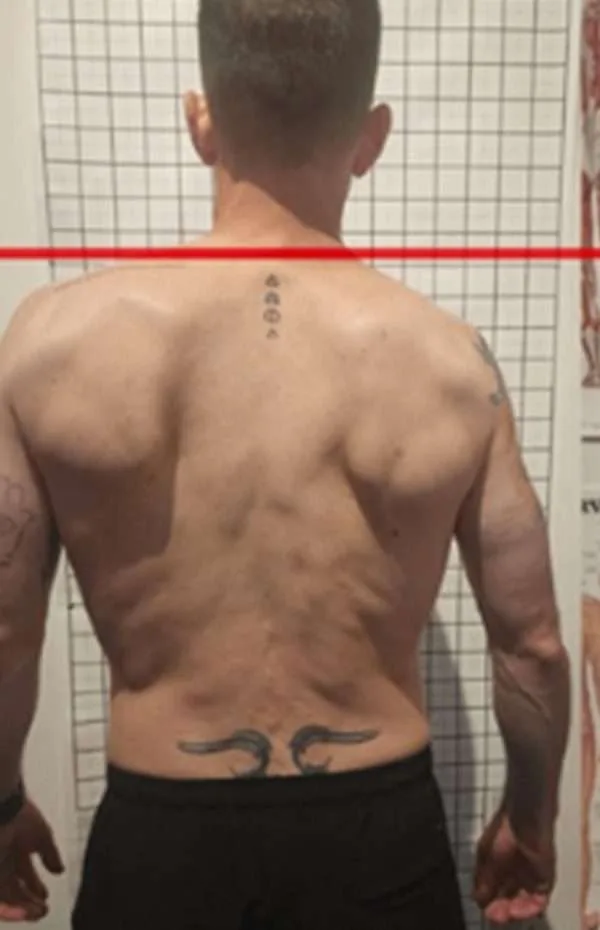 Before
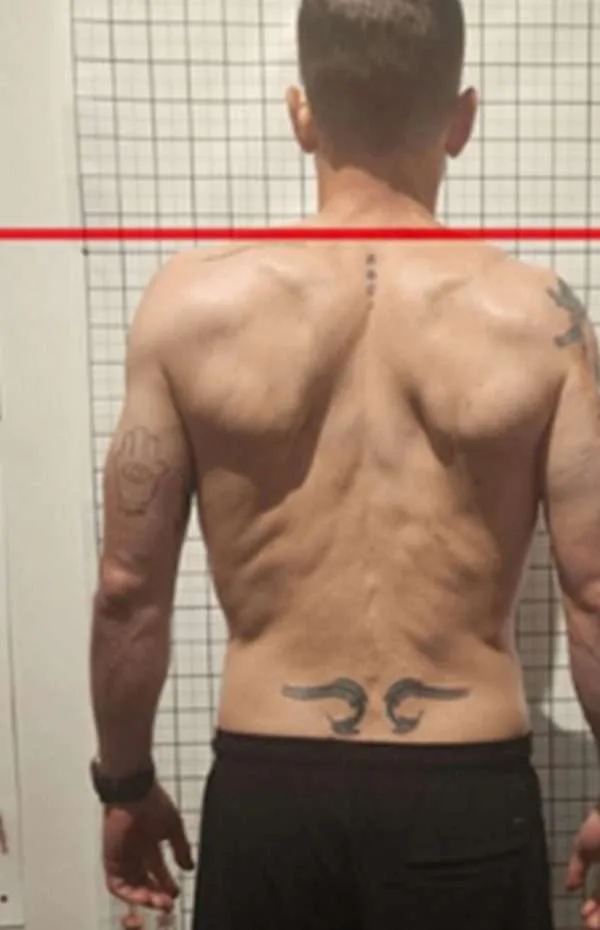 After
Neck & Upper-Back Mobility Improved neck and upper-back mobility following focused myofascial work.
Reviews and photos are shown separately. A review may not be from the client pictured.
Visit Us in Westwood
The Bluff Technique Healing Center



Contact Us
We’d love to hear from you
For more information or to get a free quote, call us at (570) 228-9132 or complete the contact form.
