
Services
Post-Surgical Recovery in Los Angeles — Healing What Surgery Leaves Behind
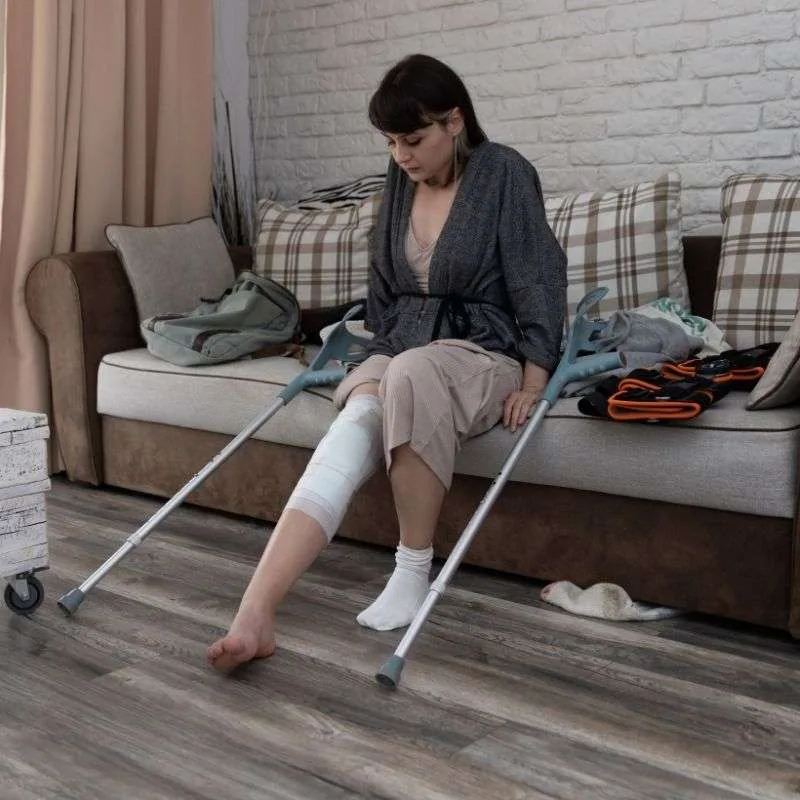
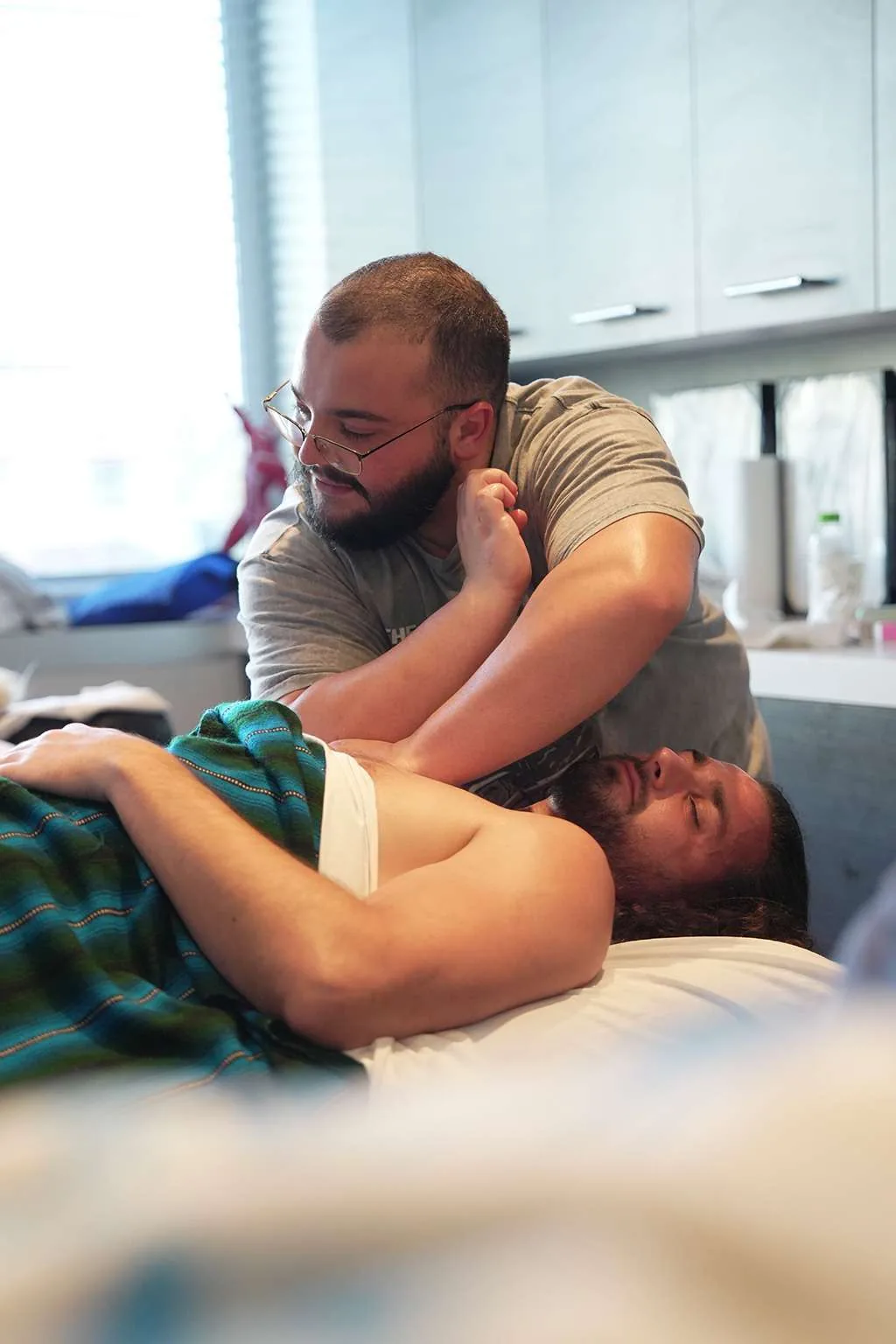
Surgery solves one problem. It almost always creates another. The incision heals. The repair holds. But the fascia surrounding every surgical site lays down scar tissue, builds adhesions, and locks surrounding structures into compensatory patterns that no post-operative physical therapy protocol is specifically designed to address.
The result, for millions of patients, is a recovery that plateaus — months or years after surgery — at something less than full. They are functional. They are not whole. They have pain, restriction, or movement limitations that their surgeon says are "normal" and their physical therapist says they have done everything they can for.
At The Bluff Technique Healing Center in Westwood, Los Angeles, Jimmy Bluff specializes in exactly this patient. The one who has done everything right and still is not where they should be. The one whose surgical recovery has stalled. The one who is starting to wonder if this is just how it is now.
It is not.
Why Surgery Creates Fascial Problems
Every surgical procedure — regardless of how skillfully performed — triggers the body's wound-healing cascade. Wound healing is generally described in three phases: inflammation, proliferation and remodeling. During the proliferative phase, the body deposits new collagen at and around the surgical site. This new collagen — scar tissue — is structurally different from healthy fascial tissue. It is denser, less organized, and less mobile.
This scar tissue does not stay local. The fascial system is continuous — restrictions at a surgical site transmit tension throughout connected fascial lines, altering movement mechanics, compressing neural structures, and creating secondary pain patterns at sites seemingly unrelated to the original surgery.
Common post-surgical presentations that respond to AMR™ include:
- Spine surgery (laminectomy, discectomy, spinal fusion) — epidural scarring, erector spinae adhesion, and iliopsoas restriction are among the most consistent drivers of failed back surgery syndrome
- Joint replacement (hip, knee, shoulder) — capsular thickening, periarticular fascial adhesion, and reduced range of motion that plateau below functional targets
- Abdominal and pelvic surgery (C-section, hysterectomy, hernia repair, appendectomy) — visceral fascial adhesion connecting abdominal wall to pelvic floor, contributing to low-back pain, hip dysfunction, and pelvic floor symptoms
- Breast surgery (mastectomy, reconstruction, augmentation) — chest wall fascial restriction limiting shoulder mechanics and creating thoracic pain patterns
- ACL, rotator cuff, and labral repair — joint capsular adhesion and surrounding fascial thickening limiting restoration of full range and functional strength
The Post-Surgical AMR™ Protocol
Jimmy's post-surgical recovery approach is systematic, staged, and calibrated to the specific surgery, timeline, and structural presentation of each client.
Phase 1 — Scar tissue and local adhesion
Once post-operative healing has progressed sufficiently (typically 6–12 weeks following most procedures, with physician clearance), AMR™ begins addressing scar tissue mobility directly at the incision site and immediately surrounding fascia. This early-phase work dramatically reduces the consolidation of restrictive adhesion and preserves tissue compliance as healing continues.
Phase 2 — Fascial chain restoration
As local tissue compliance improves, treatment expands to address the broader fascial restrictions that have developed in response to the primary surgical site. This is where secondary pain — the hip pain after back surgery, the shoulder pain after breast surgery, the knee pain after hip replacement — begins to resolve.
Phase 3 — Structural reintegration
The final phase re-establishes full structural alignment, movement mechanics, and proprioceptive function throughout the involved fascial chains. For many clients this is the phase where they finally feel that their surgery is truly complete — not just repaired, but functionally whole.
Clients undergoing post-surgical recovery frequently combine this service with chronic pain relief, posture realignment, and myofascial release therapy.
Conditions commonly addressed include back pain, sciatica, frozen shoulder, neck pain, and scoliosis.
Who This Service Is For
Post-surgical recovery at The Bluff Technique is appropriate for any client who:
- Is 6+ weeks post-operative with physician clearance for manual therapy
- Has residual pain, restriction, or functional limitation beyond expected recovery timelines
- Has been discharged from post-operative PT without full resolution
- Has scar tissue that is visibly or functionally restricting movement
- Is preparing for revision surgery and wants to optimize tissue quality beforehand
Jimmy works with post-surgical clients from across Los Angeles — Westwood, Beverly Hills, Brentwood, Santa Monica, West Hollywood, Culver City, Pacific Palisades, and Hollywood — as well as nationally through concierge sessions.
Frequently Asked Questions — Post-Surgical Recovery
When can I start myofascial therapy after surgery?
Most clients can begin gentle fascial work 6–12 weeks post-operatively with physician clearance. The specific timeline depends on your procedure, your healing progress, and your surgeon's guidance. Jimmy will coordinate with your surgical team as needed.
Does post-surgical fascial therapy hurt?
No. AMR™ uses a no-force, sustained-engagement approach. Work around fresh scar tissue is exceptionally gentle, and the release process is guided entirely by the tissue's own readiness to let go.
Can this help with failed back surgery syndrome?
Yes. Failed back surgery syndrome — persistent pain following technically successful spinal surgery — is one of the most common presentations at The Bluff Technique. Epidural scarring and lumbar fascial adhesion are among the most consistent and most treatable contributors to this condition.
I had surgery years ago — is it too late to benefit?
No. Fascial adhesions can be addressed years or even decades after the original surgery. Older scar tissue tends to require more sessions to fully release, but it does release. Many of Jimmy's most dramatic post-surgical outcomes involve clients who had their procedures 5, 10, or 15 years prior.
Do I need a physician referral?
A referral is not required, but physician clearance for manual therapy is strongly recommended for all post-surgical clients. Jimmy can provide documentation of the AMR™ method for your physician's review.
-
“I have struggled with persistent back pain from long hours of sitting at a computer. And one 2 hour session with Jimmy — I have felt zero pain. It’s been two weeks. Not even a hint of pain since our...
Read More Jacob KreuzGoogle review
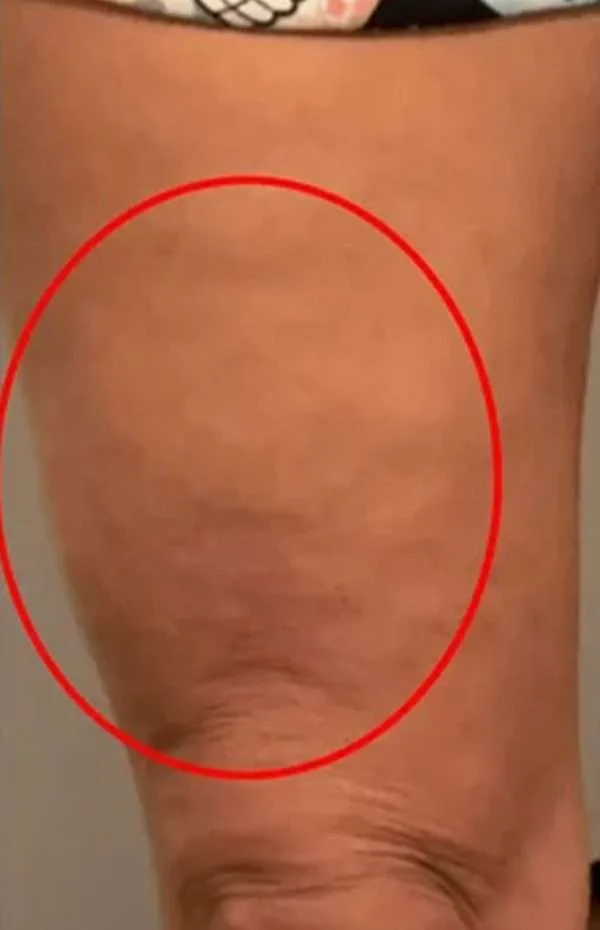 Before
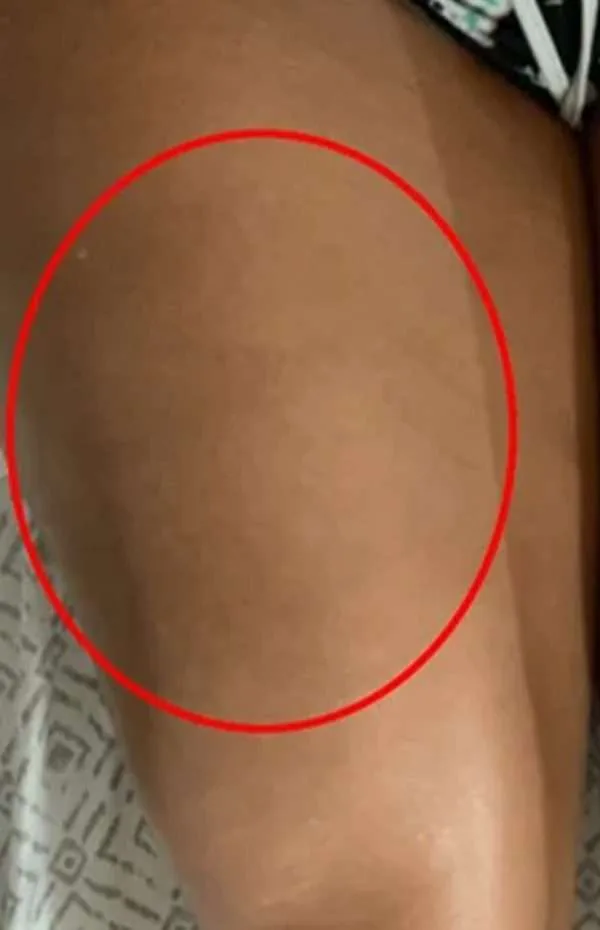 After
Reduced Tissue Congestion Reduced tissue congestion and improved skin tone following targeted Bluff Technique work. -
“Jimmy’s work on chronic back and feet pain was amazing! We traveled from Idaho to see him, as we had heard great things about him and his healing techniques. It was very much worth the trip and plan to see...
Read More Kristen PowellGoogle review
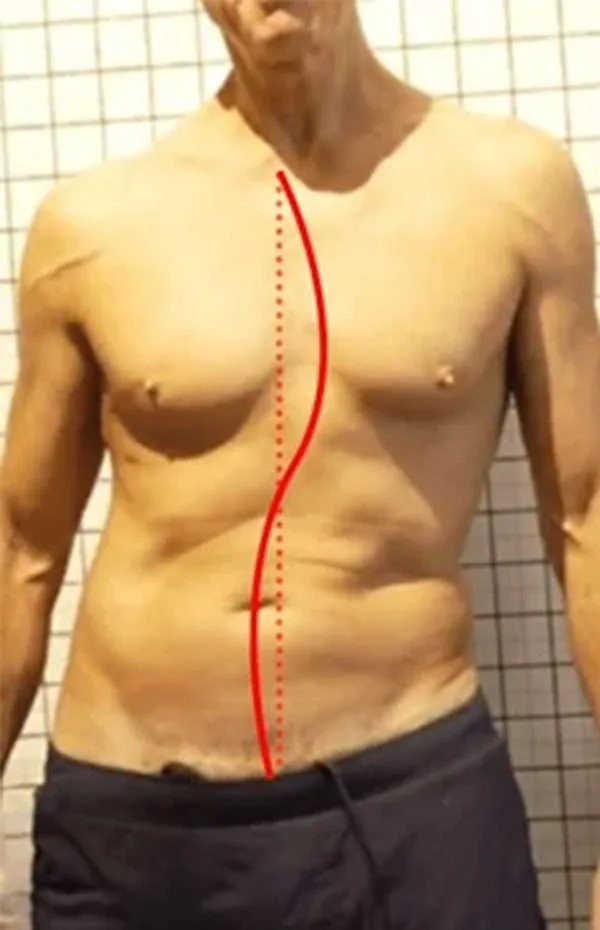 Before
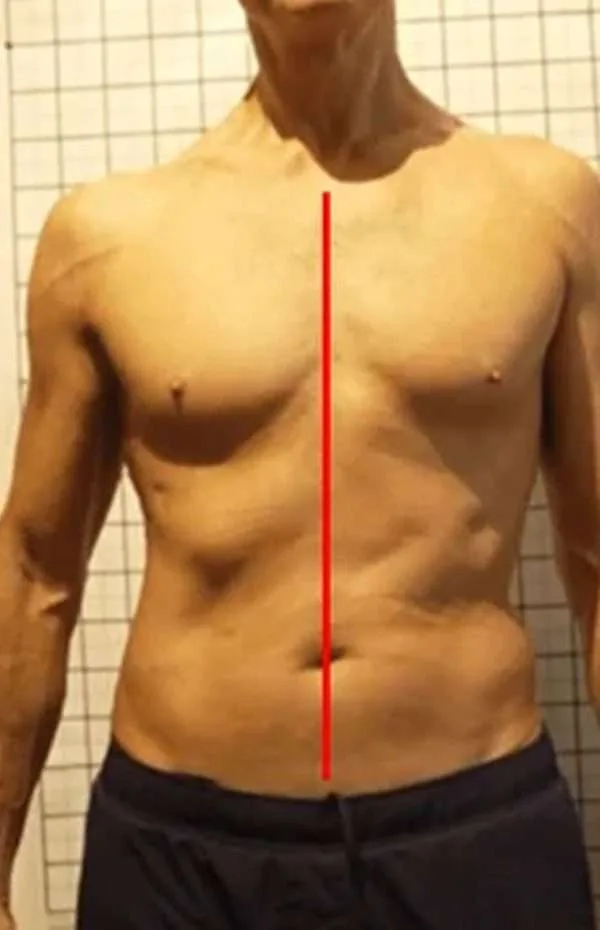 After
Enhanced Muscle Recovery Enhanced muscle recovery and overall movement quality after consistent sessions. -
amazing/magical! I stood up straight for the first time in years!
 Albie SelznickGoogle review
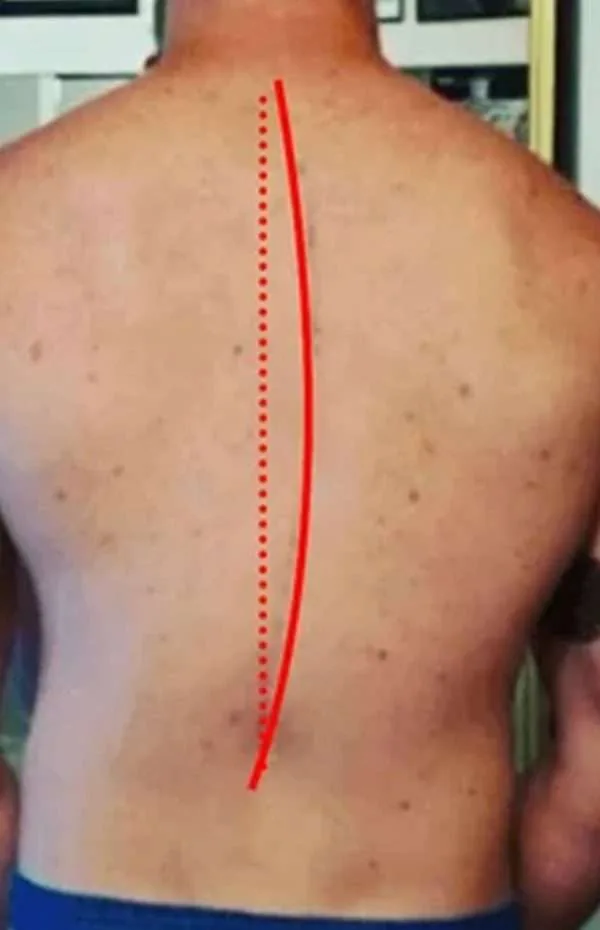 Before
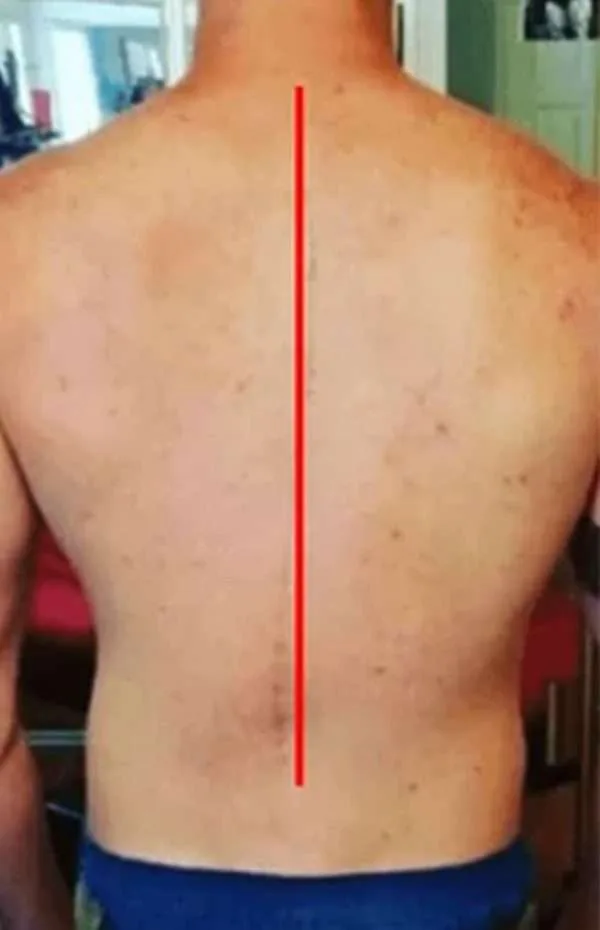 After
Hip Alignment Better hip alignment and smoother lower-body movement through hands-on fascial release. -
“Jimmy is always professional when I go see him for treatment. He takes his time addressing your problem areas and listens to any questions you might have. One of the few places where you go and can see immediate changes...
Read More Oscar GomezGoogle review
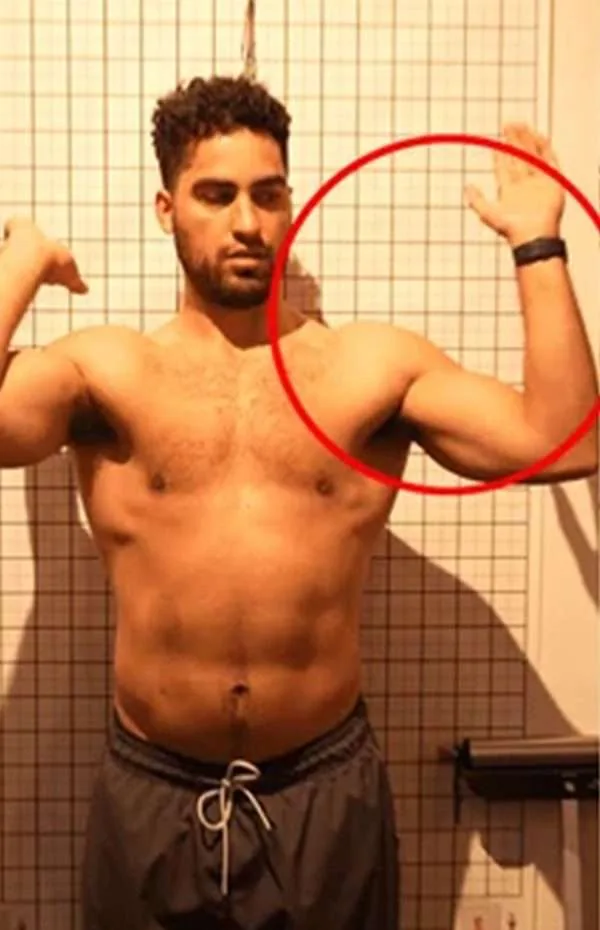 Before
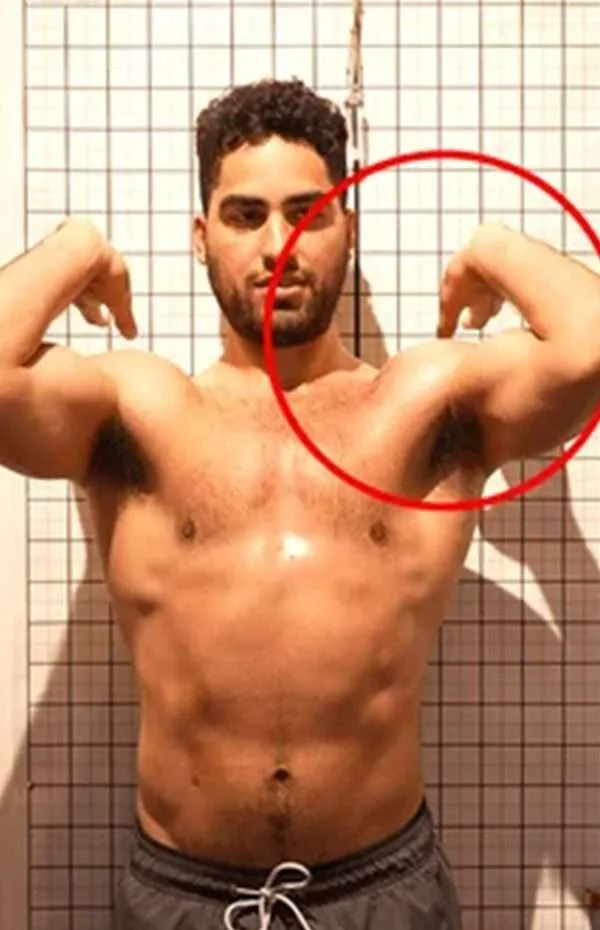 After
Increased Shoulder Range of Motion Increased shoulder range of motion and reduced tension after AMR sessions. -
“Wow !! What a truly beautiful and powerful experience. Jimmy and Maria are so wonderful and have created a great environment for healing.”
 Jamie Pierce-ElwellGoogle review
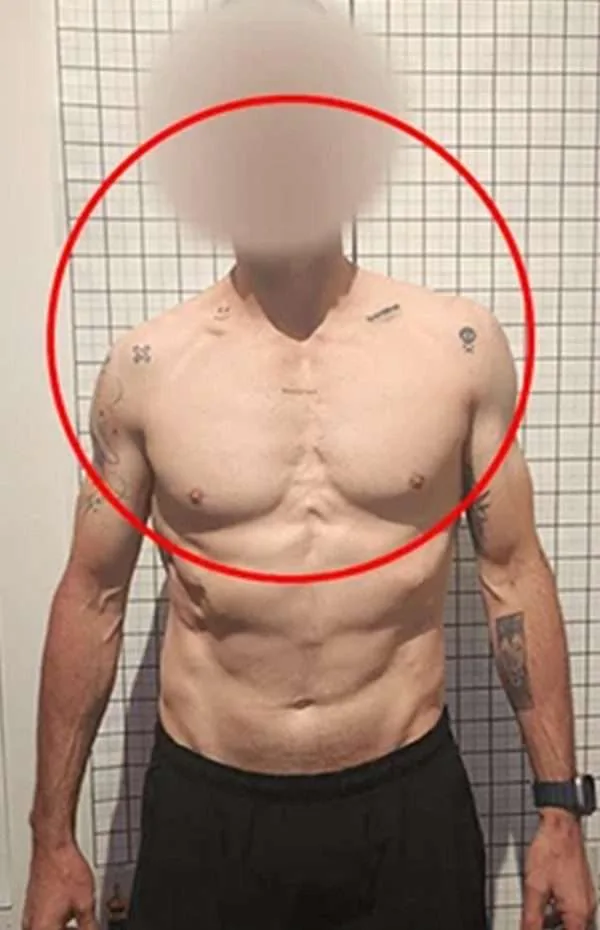 Before
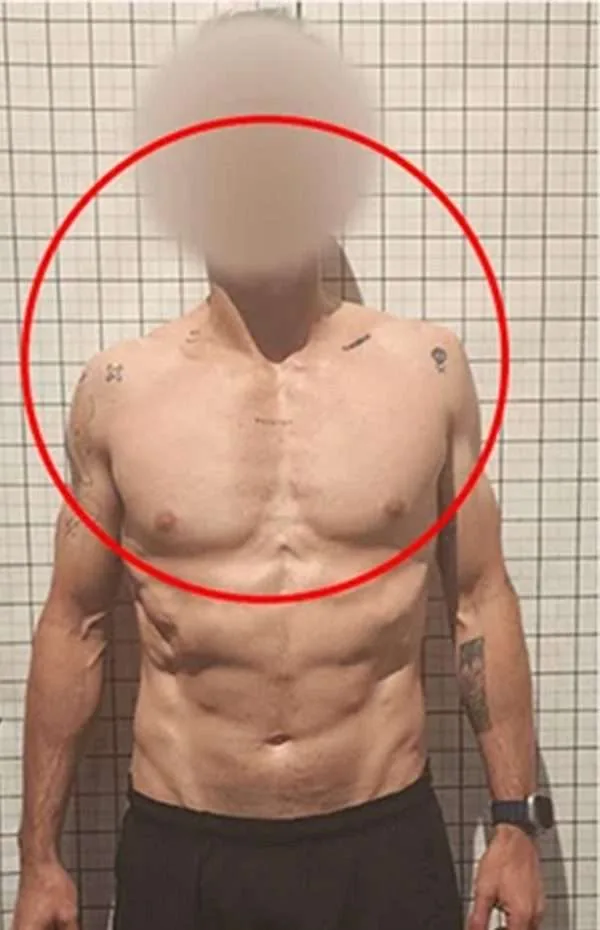 After
Posture Improvement Noticeable postural improvement with less upper-body tension after targeted manual work. -
Everything else was a waste of time… High vibration Good Vibes effective healing
 James MarsGoogle review
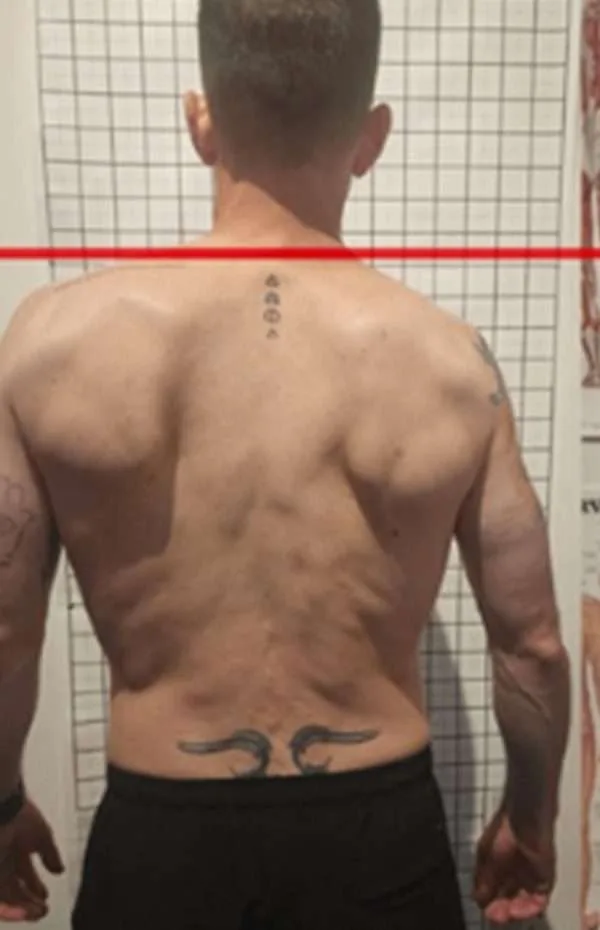 Before
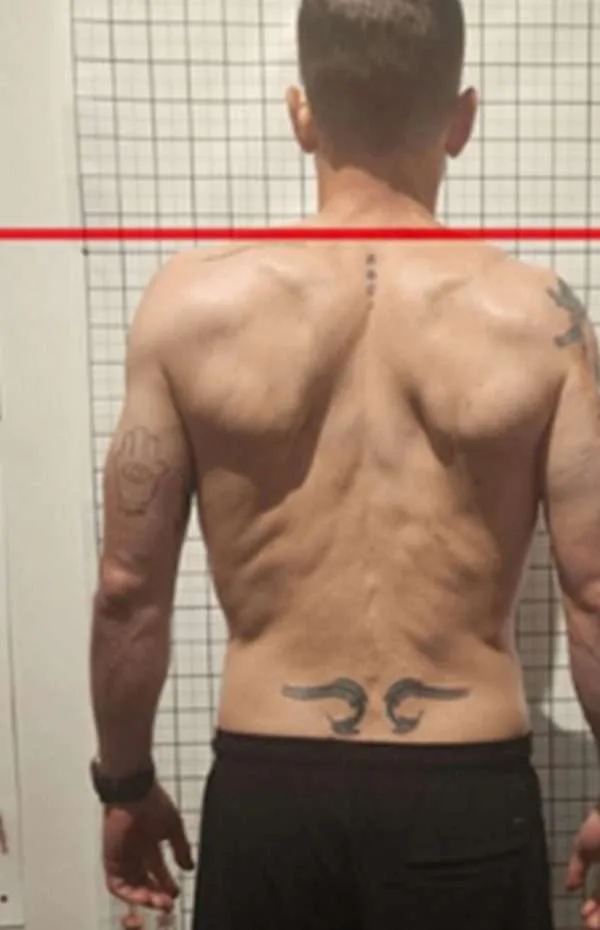 After
Neck & Upper-Back Mobility Improved neck and upper-back mobility following focused myofascial work.
Reviews and photos are shown separately. A review may not be from the client pictured.
Visit Us in Westwood
The Bluff Technique Healing Center



Contact Us
We’d love to hear from you
For more information or to get a free quote, call us at (570) 228-9132 or complete the contact form.
