
Conditions
Frozen Shoulder Treatment in Los Angeles — Restoring Mobility Without Force
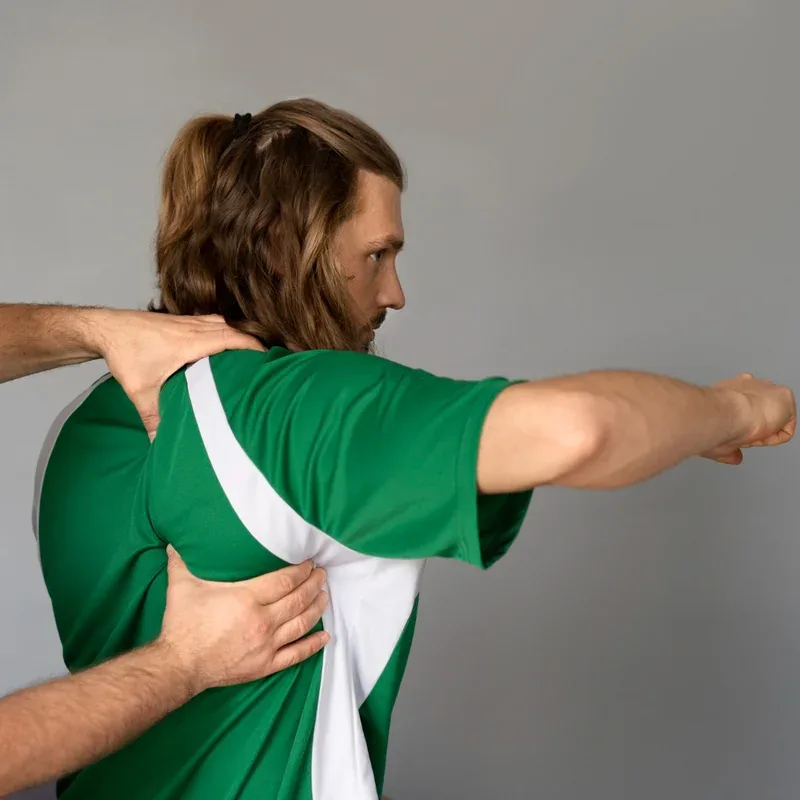
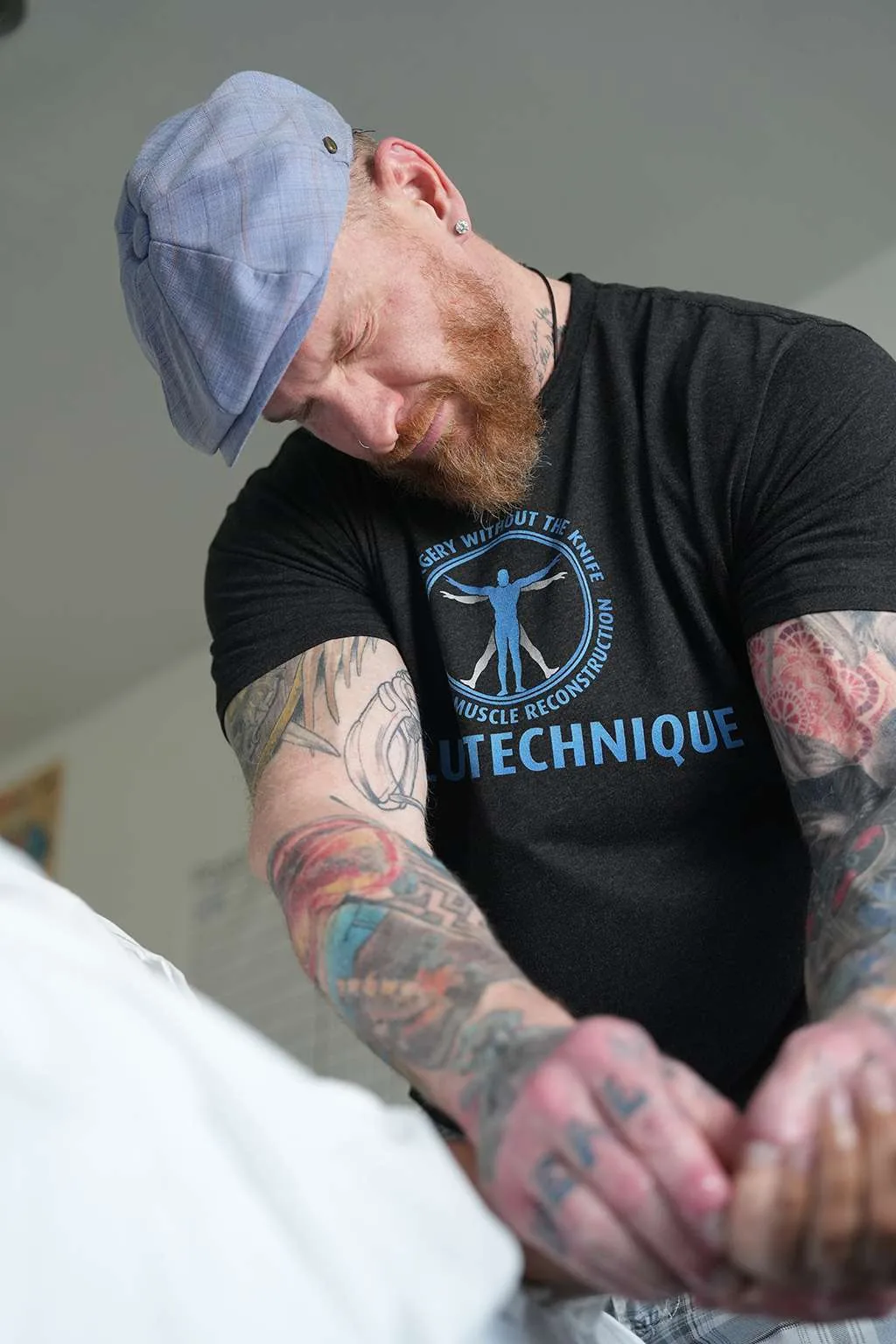
Frozen shoulder — clinically known as adhesive capsulitis — is one of the most painful and most poorly managed musculoskeletal conditions in the standard care system. The stiffness that builds over weeks and months. The loss of arm elevation and rotation. The sharp pain at end range that makes reaching overhead, reaching behind the back, or even sleeping on the affected side virtually impossible.
The conventional response is frequently counterproductive: aggressive stretching, forceful manipulation under anesthesia, or cortisone injections — interventions that either temporarily mask pain without addressing the restriction or, in the case of forced manipulation, risk creating additional tissue damage in a shoulder that is already inflamed and restricted.
According to the American Academy of Orthopaedic Surgeons, in frozen shoulder the connective tissue capsule around the shoulder joint thickens and tightens, which limits movement. The tissue that freezes the shoulder is the same tissue that AMR™ is specifically designed to release.
At The Bluff Technique Healing Center in Westwood, Los Angeles, Jimmy Bluff has restored shoulder mobility in frozen shoulder patients who had been through months of physical therapy, multiple cortisone injections, and in several cases, failed manipulation under anesthesia. Without force. Without aggravation. Without surgery.
The Fascial Reality of Frozen Shoulder
Adhesive capsulitis is fundamentally a fascial condition. The glenohumeral joint capsule is composed of dense fascial tissue — and it is this capsular fascia that thickens, inflames, and contracts in frozen shoulder, progressively restricting the range of motion available in the joint.
But the glenohumeral capsule does not exist in isolation. The shoulder's fascia is continuous with the ribcage, neck, armpit and rotator cuff, and the National Library of Medicine's StatPearls reference describes how fascia transmits tension between regions like these. In virtually every frozen shoulder presentation, the primary capsular restriction is accompanied by secondary fascial restrictions throughout this broader network — in the posterior shoulder, the axillary fold, the subscapularis compartment, the pectoralis minor, and the cervicothoracic junction.
Treating only the glenohumeral capsule — which is what most frozen shoulder protocols do — addresses the primary restriction while leaving the secondary restrictions that maintain it entirely untouched. This is why range of motion frequently plateaus in conventional PT and why patients continue to have significant restriction months after the acute inflammatory phase has resolved.
The AMR™ Frozen Shoulder Protocol
Jimmy's approach to frozen shoulder begins with a full shoulder and thoracic assessment: active and passive range of motion in all planes, postural analysis of the cervicothoracic junction and shoulder girdle, and a detailed intake covering the onset, duration, and prior treatment history of the restriction.
Three distinct phases guide AMR™ frozen shoulder treatment:
Phase 1 — Reducing inflammatory fascial restriction
In the acute or early freezing phase, AMR™ works gently to reduce the fascial inflammation and early adhesion formation driving the restriction. Techniques at this stage are extremely light — focused on suboccipital, cervical, and thoracic fascial release to reduce the systemic fascial tension loading the shoulder capsule without directly aggravating the acutely inflamed joint.
Phase 2 — Capsular and compartmental fascial release
As inflammation subsides, direct work begins on the glenohumeral capsule, rotator cuff compartments, subscapularis fascia, axillary fold, and pectoralis minor — the primary restriction complex in frozen shoulder. Sustained, no-force engagement at each restriction site progressively restores capsular compliance and available range of motion.
Phase 3 — Thoracic and cervical chain integration
Full shoulder restoration requires reintegrating the shoulder into the thoracic and cervical fascial chain — restoring scapulothoracic rhythm, cervical-shoulder fascial balance, and the rotational capacity of the thoracic spine that determines terminal shoulder elevation range.
Related services: myofascial release therapy, sports recovery bodywork, post-surgical recovery, posture realignment.
Who Frozen Shoulder Treatment Is For
- Clients in any phase of adhesive capsulitis — freezing, frozen, or thawing
- Those who have plateaued in conventional physical therapy with persistent significant restriction
- Post-surgical shoulder clients with restricted recovery beyond expected timelines
- Athletes — particularly overhead athletes including swimmers, baseball players, volleyball players, and dancers from West Hollywood and Hollywood — with progressive shoulder restriction
- Clients who have been offered manipulation under anesthesia or surgery and want a conservative structural alternative first
- Diabetic patients and thyroid patients who have higher rates of adhesive capsulitis and frequently more complex presentations
Jimmy serves frozen shoulder clients from Westwood, Beverly Hills, Brentwood, Santa Monica, West Hollywood, Pacific Palisades, Culver City, and Hollywood. National availability through concierge sessions.
Frequently Asked Questions — Frozen Shoulder
Can AMR™ restore full range of motion in a frozen shoulder?
Yes — for most frozen shoulder presentations, AMR™ produces full or near-full range of motion restoration. The timeline depends on the stage, duration, and prior treatment history of the restriction. Many clients who had been told only manipulation under anesthesia or surgery would restore their motion have achieved full restoration through AMR™ alone.
How is this different from the physical therapy I already tried?
Physical therapy for frozen shoulder primarily uses stretching, joint mobilization, and exercise to restore range. AMR™ addresses the fascial capsular tissue itself — releasing the actual collagen adhesion restricting the joint rather than trying to stretch through it. This is a fundamentally different mechanism, which is why it produces results when PT plateaus.
Does treatment aggravate frozen shoulder?
No. AMR™ is specifically designed not to use force against restricted tissue — which is exactly what aggravates frozen shoulder and what makes conventional forceful manipulation potentially harmful. Treatment is calibrated to the tissue's current compliance and never pushes against an inflammatory response.
How many sessions are needed for frozen shoulder?
Mild to moderate frozen shoulder cases typically respond significantly within 6–10 sessions. Severe or long-standing frozen shoulder cases may require 15–20 sessions for full restoration. Jimmy will give you a staged projection at your initial assessment.
Should I continue my physical therapy while doing AMR™?
Yes. AMR™ fascial release and therapeutic exercise-based PT are highly complementary. As fascial compliance improves through AMR™, your PT exercises become more effective and range of motion gains consolidate more durably. Jimmy can coordinate with your physical therapist.
-
“I have struggled with persistent back pain from long hours of sitting at a computer. And one 2 hour session with Jimmy — I have felt zero pain. It’s been two weeks. Not even a hint of pain since our...
Read More Jacob KreuzGoogle review
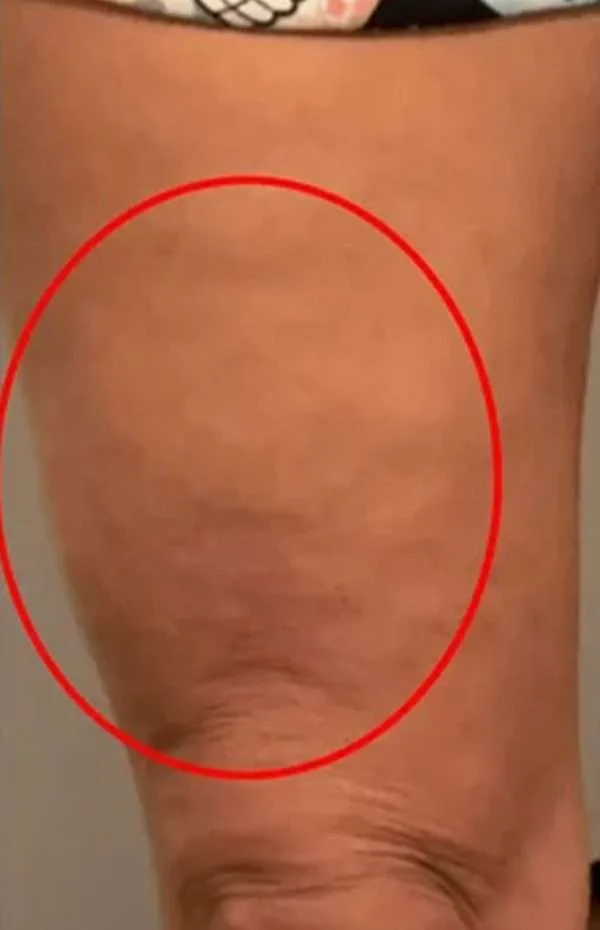 Before
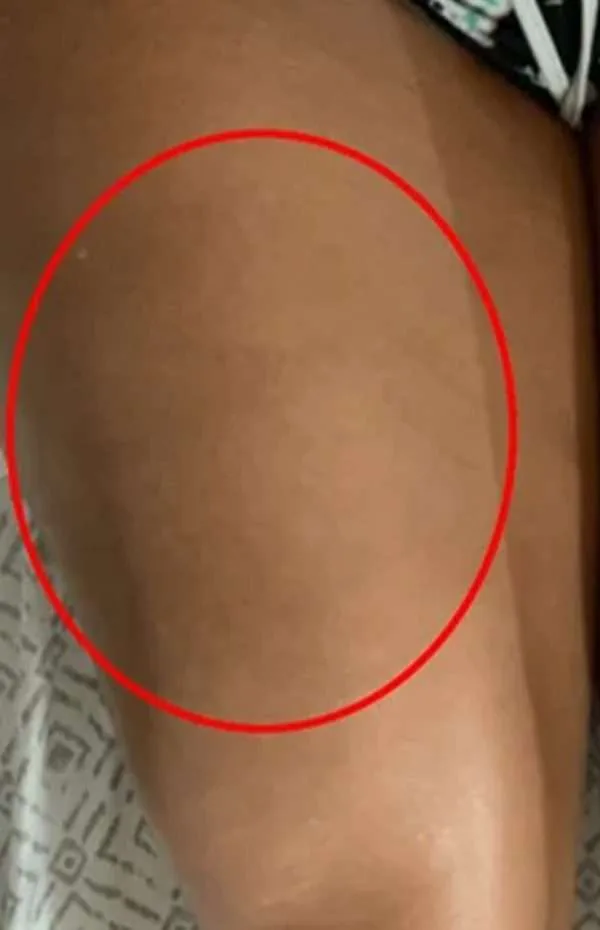 After
Reduced Tissue Congestion Reduced tissue congestion and improved skin tone following targeted Bluff Technique work. -
“Jimmy’s work on chronic back and feet pain was amazing! We traveled from Idaho to see him, as we had heard great things about him and his healing techniques. It was very much worth the trip and plan to see...
Read More Kristen PowellGoogle review
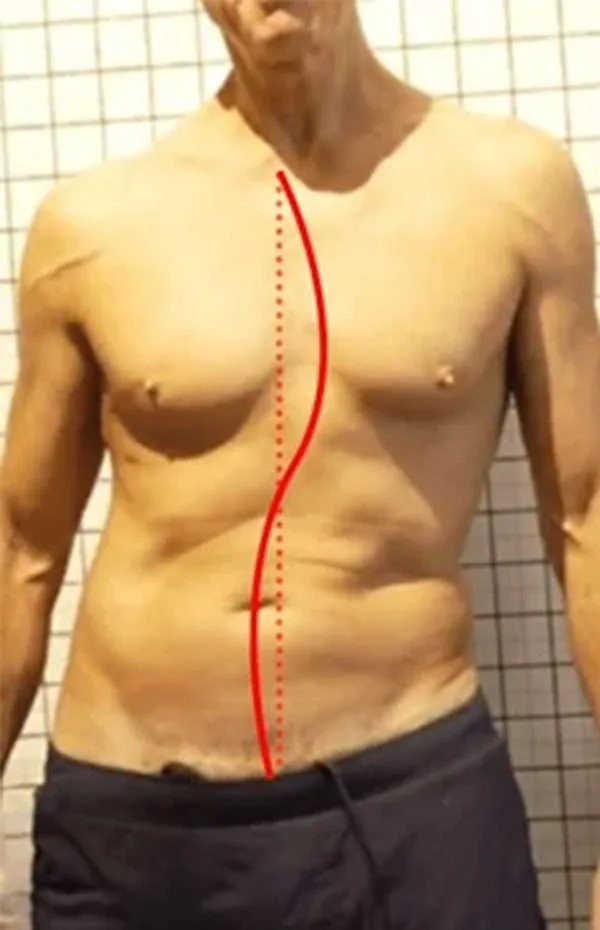 Before
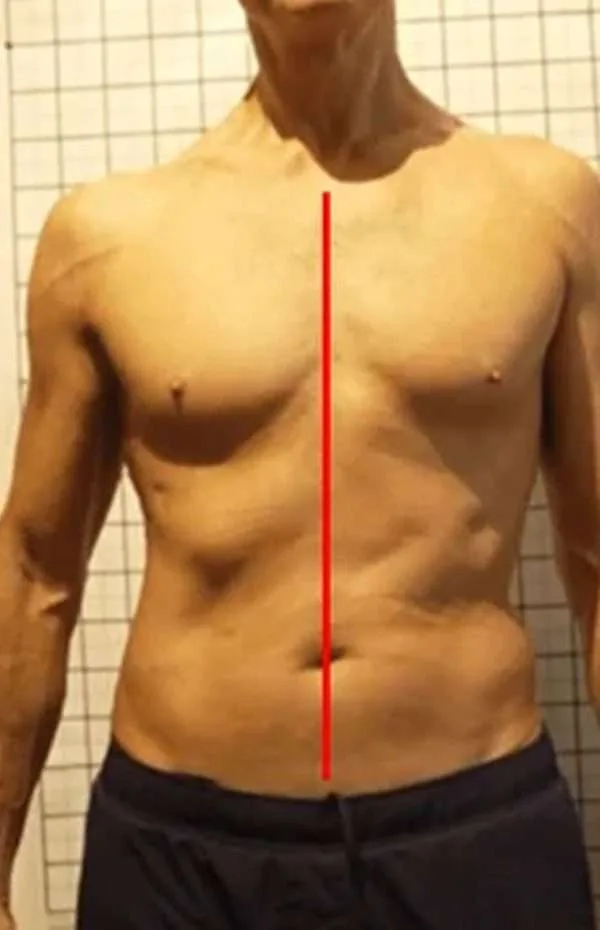 After
Enhanced Muscle Recovery Enhanced muscle recovery and overall movement quality after consistent sessions. -
amazing/magical! I stood up straight for the first time in years!
 Albie SelznickGoogle review
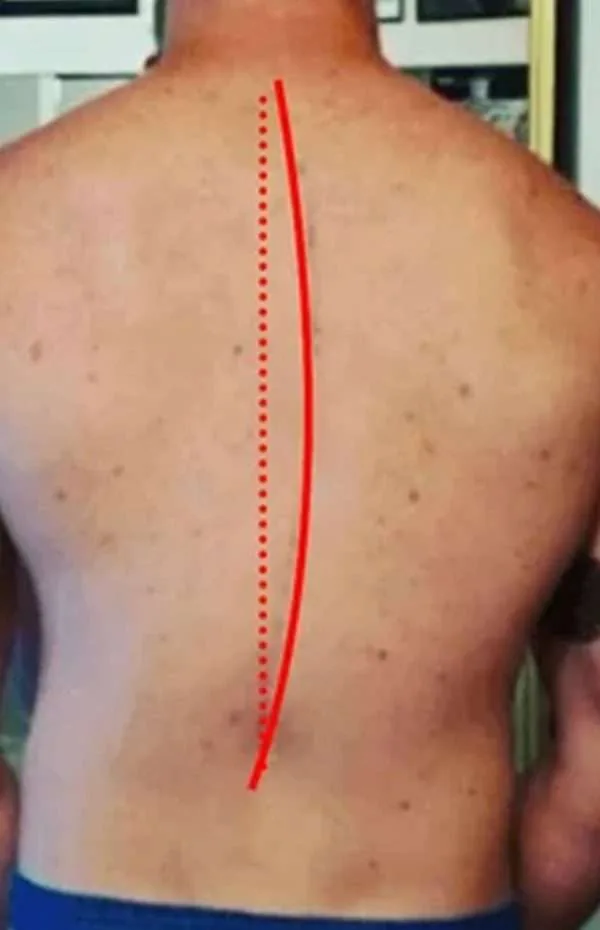 Before
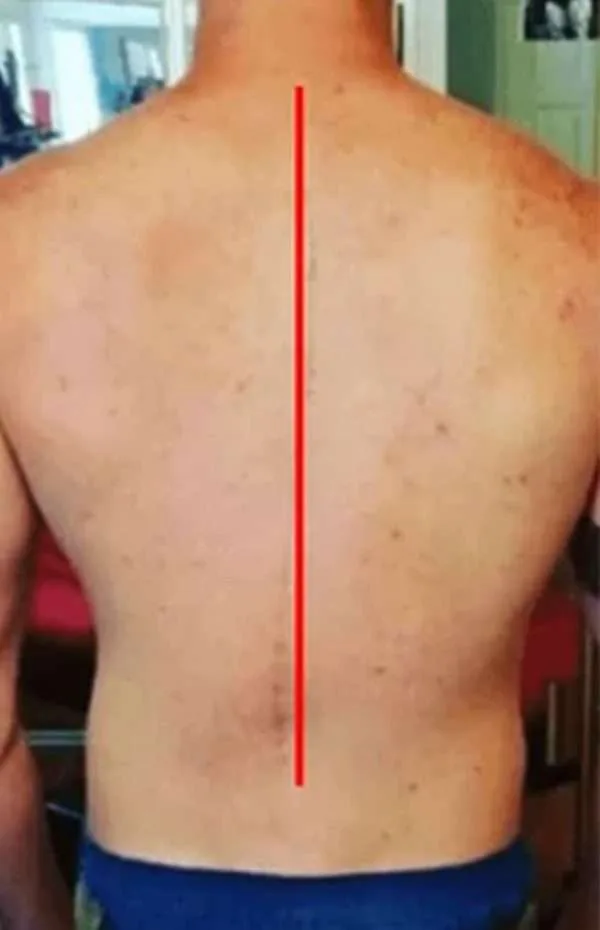 After
Hip Alignment Better hip alignment and smoother lower-body movement through hands-on fascial release. -
“Jimmy is always professional when I go see him for treatment. He takes his time addressing your problem areas and listens to any questions you might have. One of the few places where you go and can see immediate changes...
Read More Oscar GomezGoogle review
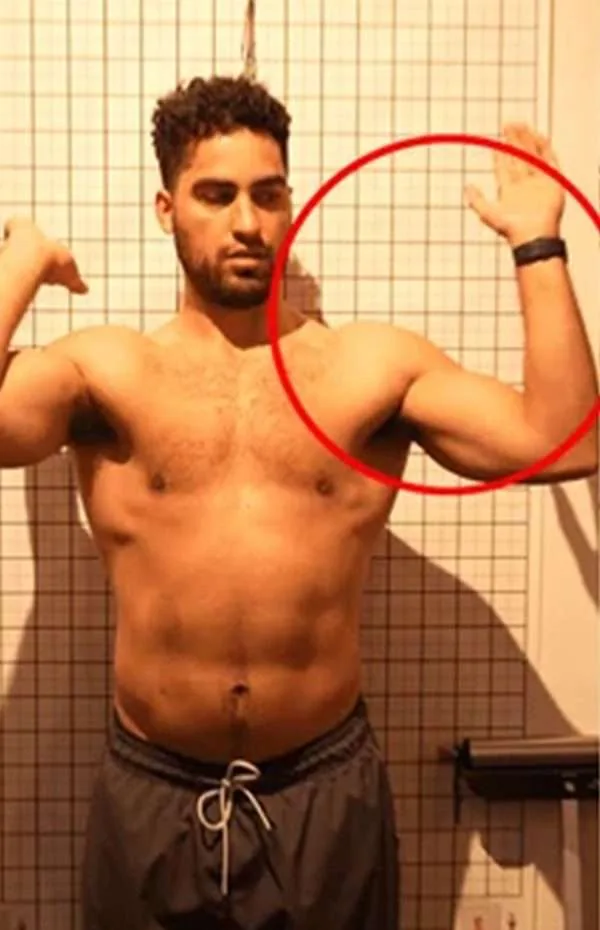 Before
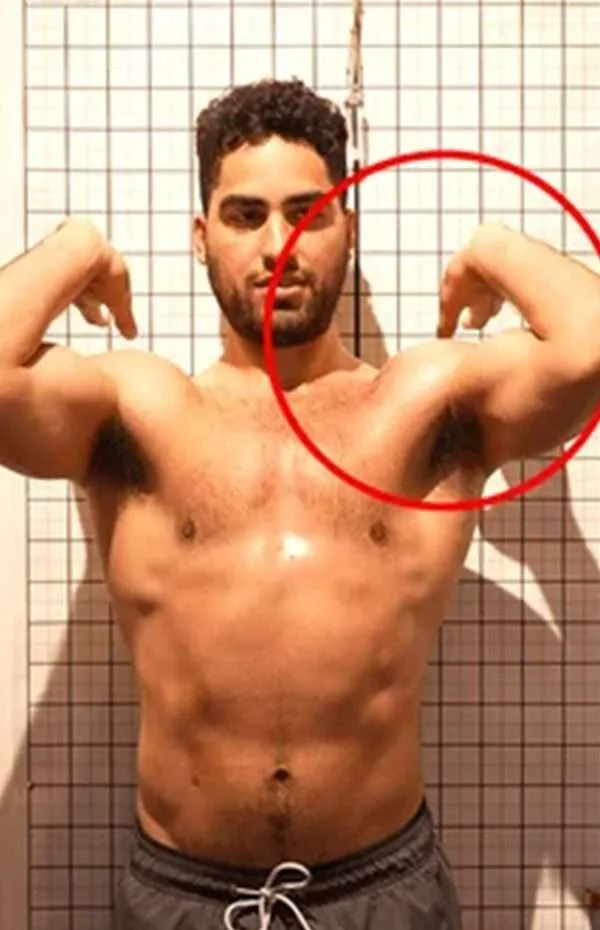 After
Increased Shoulder Range of Motion Increased shoulder range of motion and reduced tension after AMR sessions. -
“Wow !! What a truly beautiful and powerful experience. Jimmy and Maria are so wonderful and have created a great environment for healing.”
 Jamie Pierce-ElwellGoogle review
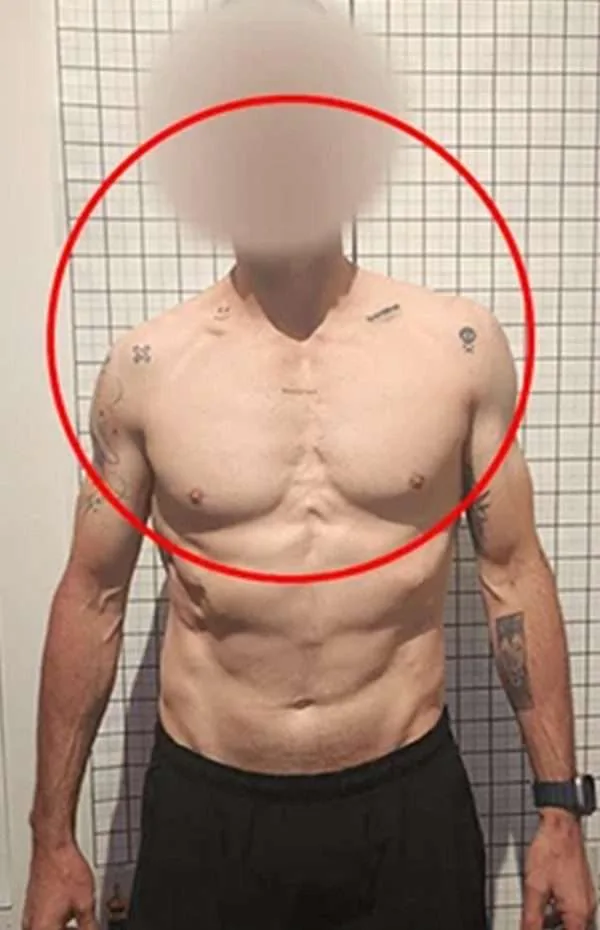 Before
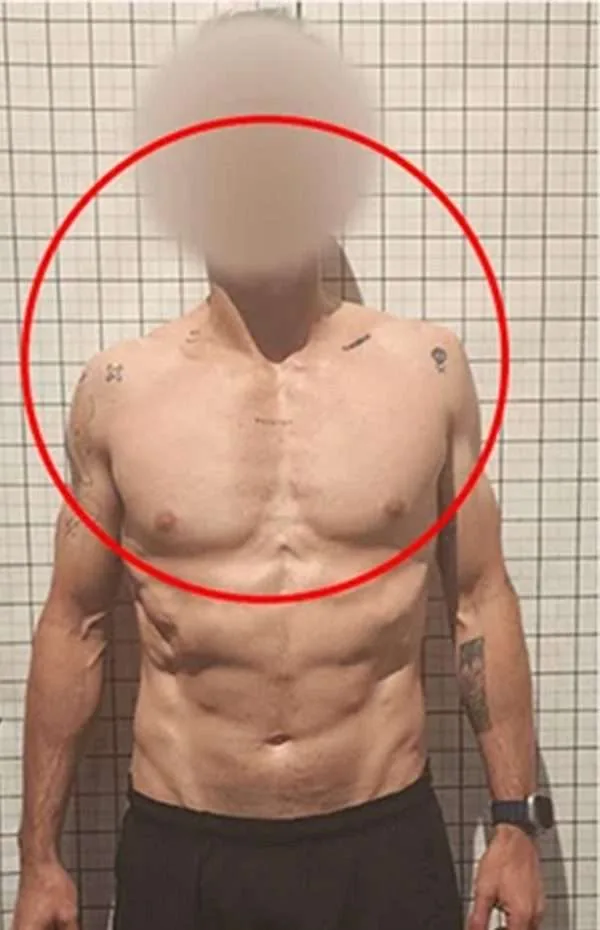 After
Posture Improvement Noticeable postural improvement with less upper-body tension after targeted manual work. -
Everything else was a waste of time… High vibration Good Vibes effective healing
 James MarsGoogle review
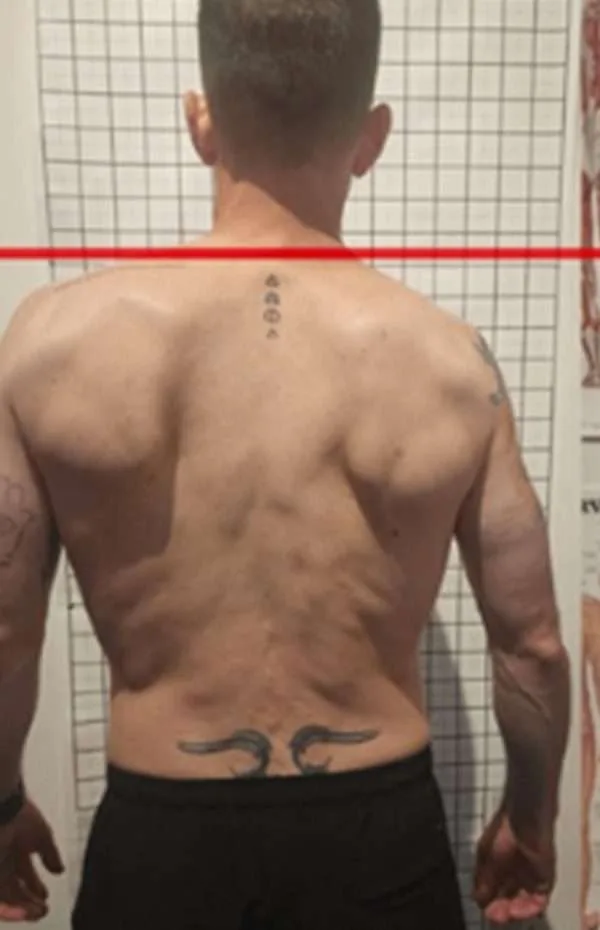 Before
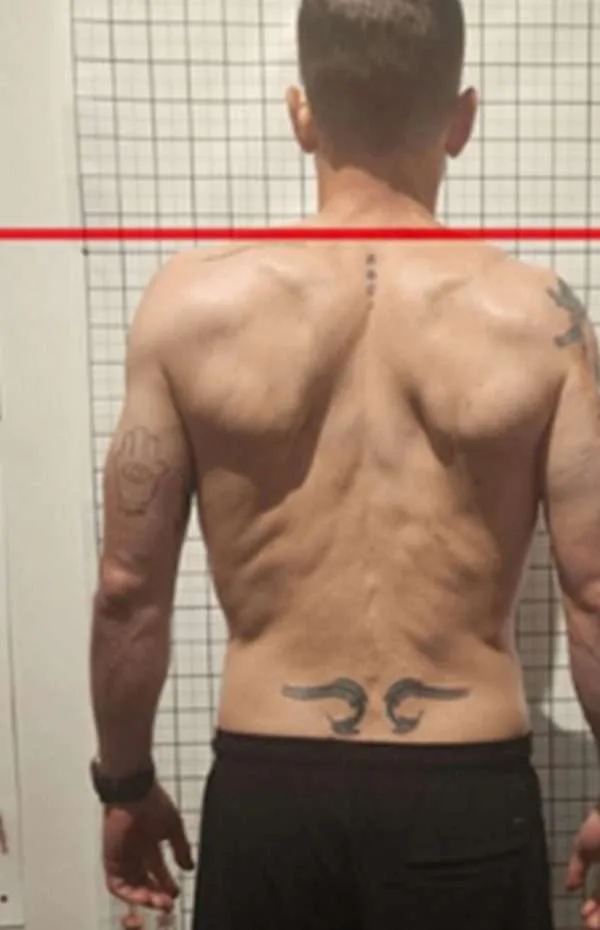 After
Neck & Upper-Back Mobility Improved neck and upper-back mobility following focused myofascial work.
Reviews and photos are shown separately. A review may not be from the client pictured.
Visit Us in Westwood
The Bluff Technique Healing Center



Contact Us
We’d love to hear from you
For more information or to get a free quote, call us at (570) 228-9132 or complete the contact form.
