Conditions
Scoliosis Treatment in Los Angeles — Addressing the Fascial Architecture Behind Spinal Curvature
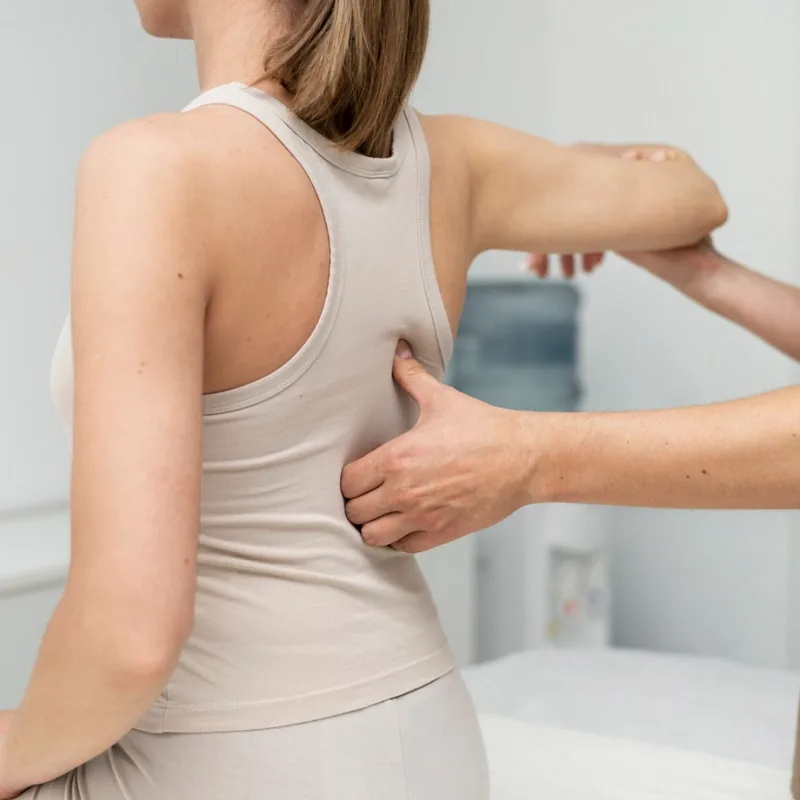
The National Institute of Arthritis and Musculoskeletal and Skin Diseases describes scoliosis as a sideways curve of the spine. For most patients, the standard care pathway is one of watchful waiting — bracing in adolescents, monitoring in adults, and surgical intervention when curvature progresses beyond defined thresholds. What is almost never offered is direct treatment of the fascial asymmetry that is a primary driver of both the curvature itself and the pain, fatigue, and restricted movement that accompany it.
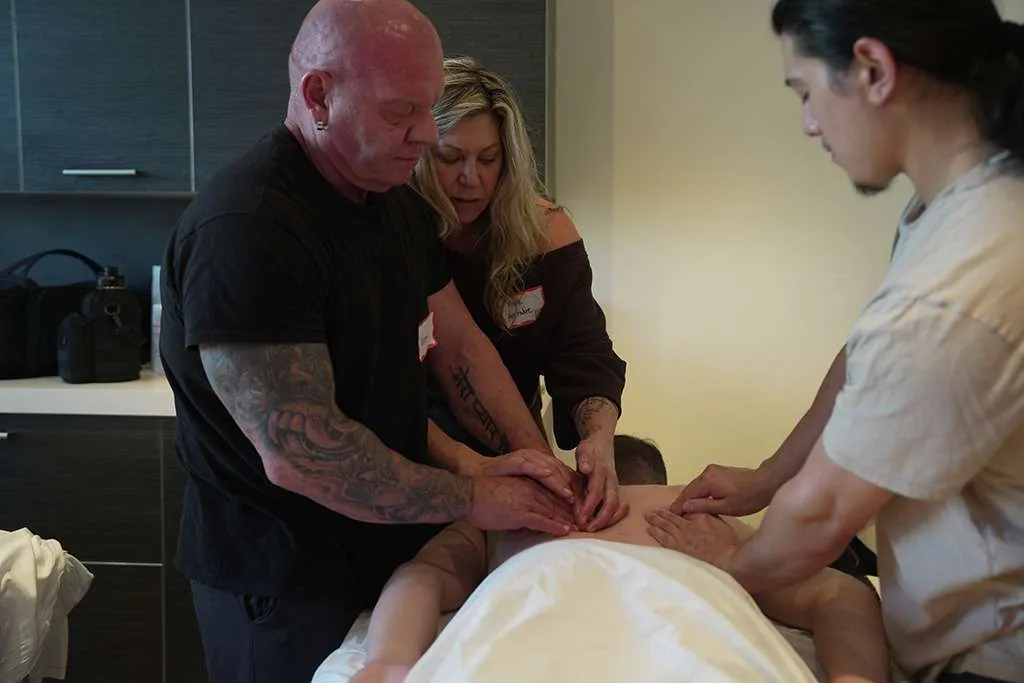
At The Bluff Technique Healing Center in Westwood, Los Angeles, Jimmy Bluff has produced measurable structural improvement and significant pain reduction in scoliosis patients across all age groups — through AMR™ fascial intervention targeting the connective tissue architecture that conventional scoliosis treatment never touches.
The Role of Fascia in Scoliosis
Scoliosis is not simply a bony structural problem. In practice, the soft tissue on either side of a scoliotic curve often feels and behaves differently, tighter on one side and overworked on the other.
This fascial asymmetry is both a consequence of the structural curvature and a driver that actively maintains and can progress it. Restricted fascia on the concave side of a scoliotic curve acts as a mechanical tether — pulling the spine further into the curve and resisting the corrective forces that bracing and exercise attempt to apply. The muscles on the convex side become chronically overloaded and restricted in a different pattern — generating the paraspinal muscle imbalance and chronic dorsal pain that characterizes adult scoliosis.
Beyond the spinal fascial system, scoliotic structural patterns typically involve:
- Pelvic fascial asymmetry — unequal iliolumbar ligament and sacroiliac fascial tension creating the pelvic obliquity that drives and maintains lumbar curves
- Rib cage fascial restriction — thoracic rotation in scoliosis distorts the fascial architecture of the rib cage, contributing to the rib hump and thoracic respiratory restriction common in mid-thoracic curves
- Hip flexor and quadratus lumborum asymmetry — the muscular and fascial structures of the lateral lumbar region are systematically asymmetric in lumbar scoliosis, actively maintaining the lateral deviation of the lumbar curve
- Craniocervical fascial patterns — high thoracic and cervical curves create fascial compensations extending into the suboccipital region and contributing to the headache patterns common in thoracic scoliosis
The AMR™ Scoliosis Protocol
Jimmy's scoliosis work begins with a comprehensive postural and structural assessment — plumb-line analysis in all planes, rib cage symmetry, pelvic level assessment, functional movement screening, and a detailed intake covering curve type, degree, onset, prior treatment, and symptom pattern.
Treatment is structured around the specific curve pattern:
Lumbar scoliosis — primary focus on pelvic fascial asymmetry, iliolumbar ligament release, lateral lumbar fascial chain, quadratus lumborum compartment, and thoracolumbar fascial balance.
Thoracic scoliosis — rib cage fascial release, paraspinal fascial balance across the curve, thoracic cage rotation restriction, and integration with cervical and lumbar compensatory patterns.
Combined (S-curve) scoliosis — the most common adult presentation, requiring systematic whole-curve fascial sequencing from the sacrum to the occiput.
Measurable outcomes from AMR™ scoliosis treatment — documented through serial postural photography and functional assessment — include improved plumb-line alignment, reduced rib hump prominence, improved shoulder and hip level symmetry, and significant reduction in pain and fatigue associated with the structural compensation demands of scoliotic posture.
For adolescent scoliosis patients, AMR™ works as an adjunct to bracing — reducing the fascial resistance against corrective forces and improving brace compliance and tolerance.
Related services: posture realignment, myofascial release therapy, chronic pain relief, fascia release therapy.
Related conditions: back pain, sciatica, neck pain, frozen shoulder.
Who Scoliosis Treatment Is For
- Adolescents with diagnosed idiopathic scoliosis seeking conservative fascial treatment as an adjunct to observation or bracing
- Adults with scoliosis experiencing progressive pain, fatigue, or functional limitation
- Clients with scoliosis-related sciatica, back pain, or rib cage restriction
- Post-surgical scoliosis patients (spinal fusion) with persistent pain or adjacent-level restriction
- Athletes with scoliosis whose structural asymmetry is limiting performance or generating recurring injuries
- Anyone told their scoliosis-related pain is simply "something to live with" who wants a structural alternative
Jimmy serves scoliosis clients from Westwood, Beverly Hills, Santa Monica, Brentwood, West Hollywood, Culver City, Pacific Palisades, and Hollywood, as well as nationally through concierge sessions.
Frequently Asked Questions — Scoliosis
Can fascial therapy actually change scoliotic curvature?
Fascial work does not straighten the spine. Many scoliotic clients report less pain and visible postural improvement on serial photos. The degree of structural change depends on the age of the patient, the flexibility of the curve, and the duration and consistency of treatment. Adolescent curves are more responsive to structural change; adult curves typically show significant pain reduction and postural improvement even when Cobb angle change is modest.
Is AMR™ safe for someone who has had spinal fusion for scoliosis?
Yes, with appropriate care. AMR™ for post-fusion scoliosis patients focuses on the fascial restrictions adjacent to the fused segments and throughout the compensatory regions above and below the fusion — not on the fused levels themselves. This is some of the highest-value work for post-fusion patients whose adjacent-level pain is driven by fascial restriction. See our post-surgical recovery service.
Can children with scoliosis receive AMR™ treatment?
Yes. AMR™ is appropriate for all ages. Adolescent scoliosis patients respond particularly well to fascial work, which can reduce the resistance against corrective bracing forces and provide meaningful pain relief during the brace-wearing years.
How is this different from Schroth physical therapy for scoliosis?
Schroth is an exercise-based approach to scoliosis that uses specific breathing and postural correction exercises to work against the curve pattern. AMR™ works at the fascial tissue level to release the structural restrictions that Schroth exercises are working against. The two approaches are highly complementary — fascial release through AMR™ can significantly improve the effectiveness and ease of Schroth exercises.
How many sessions does scoliosis treatment require?
Scoliosis is a structural condition that develops over years and requires a committed treatment protocol — typically 15–20 sessions for initial structural improvement, followed by maintenance sessions monthly or bi-monthly. Jimmy will discuss realistic outcomes and a staged protocol at your initial evaluation.
-
“I have struggled with persistent back pain from long hours of sitting at a computer. And one 2 hour session with Jimmy — I have felt zero pain. It’s been two weeks. Not even a hint of pain since our...
Read More Jacob KreuzGoogle review
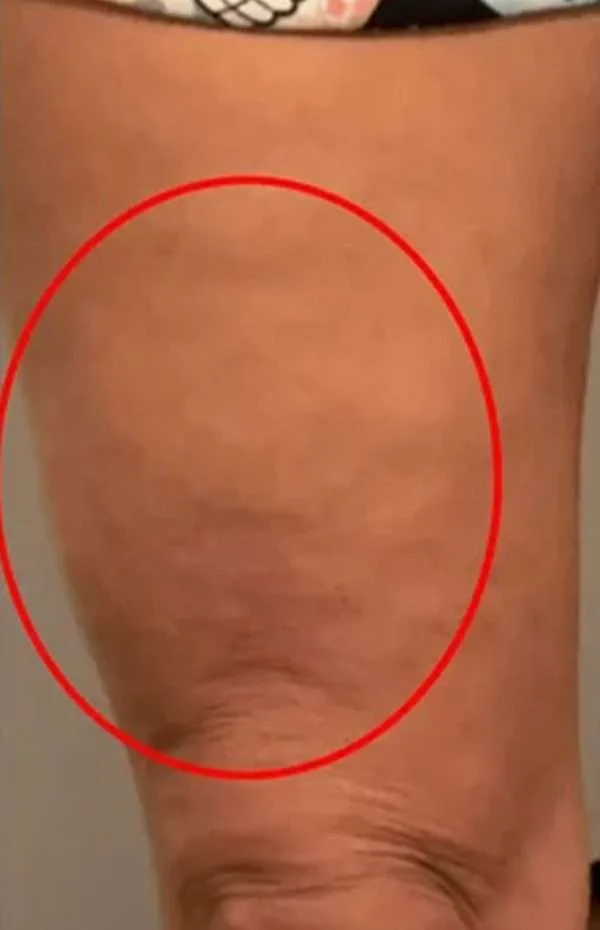 Before
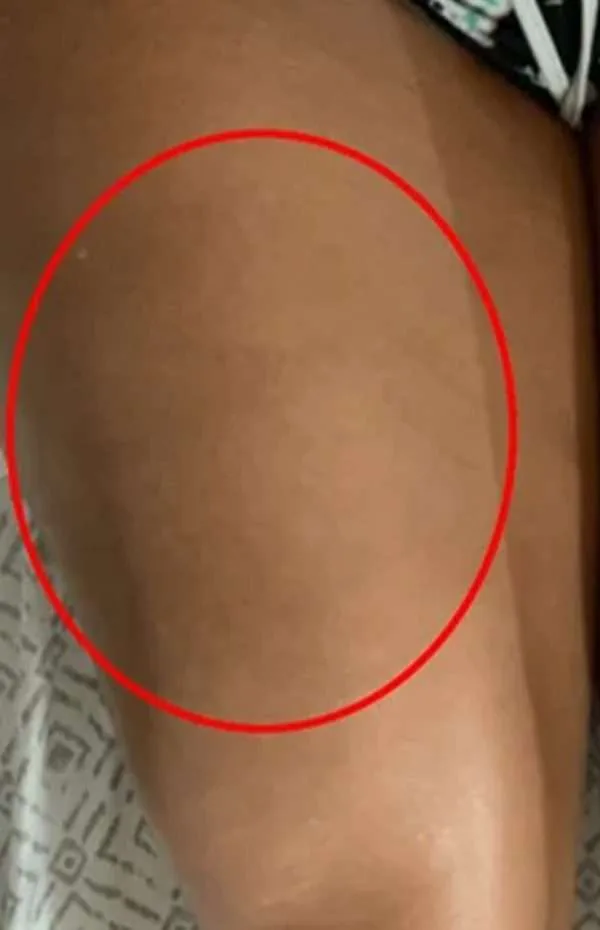 After
Reduced Tissue Congestion Reduced tissue congestion and improved skin tone following targeted Bluff Technique work. -
“Jimmy’s work on chronic back and feet pain was amazing! We traveled from Idaho to see him, as we had heard great things about him and his healing techniques. It was very much worth the trip and plan to see...
Read More Kristen PowellGoogle review
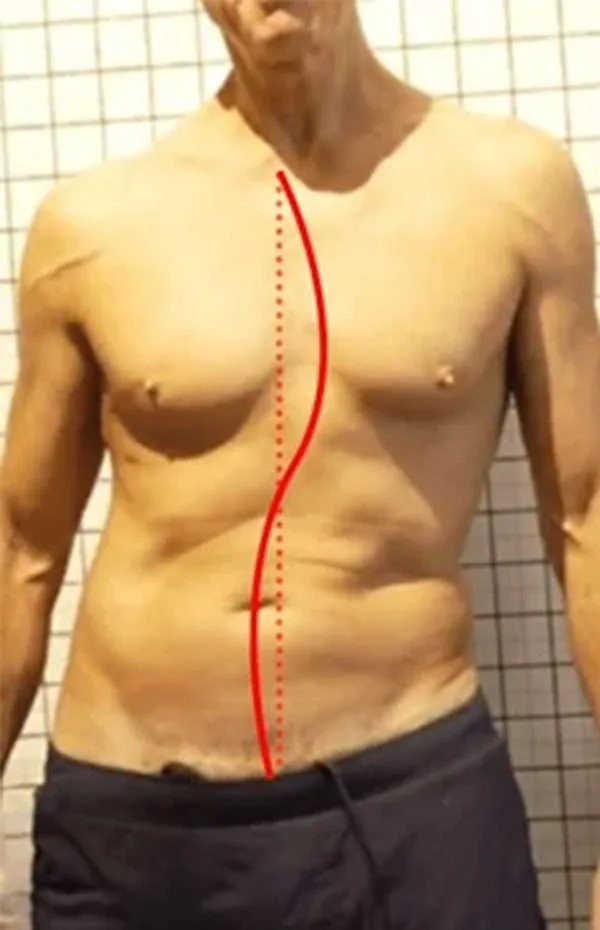 Before
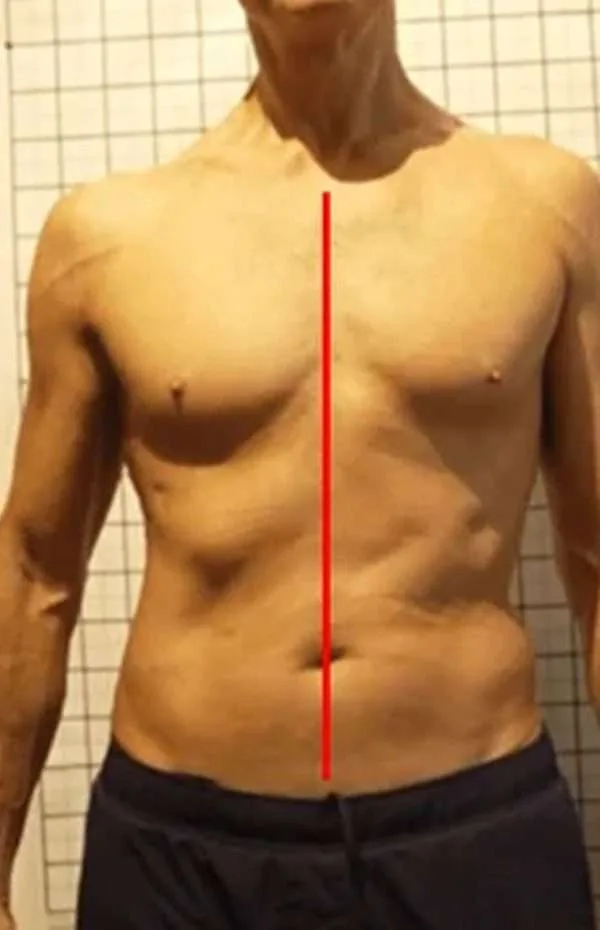 After
Enhanced Muscle Recovery Enhanced muscle recovery and overall movement quality after consistent sessions. -
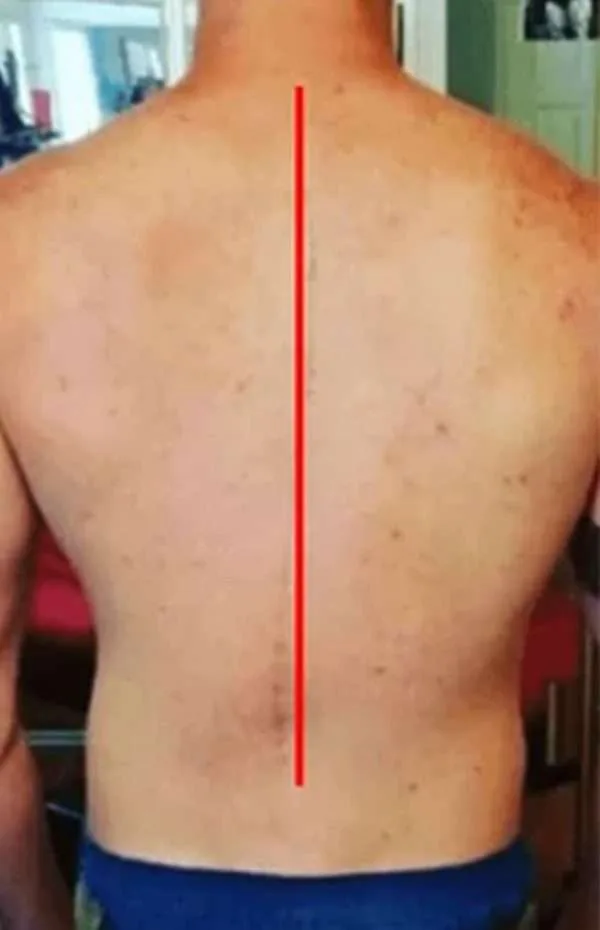
amazing/magical! I stood up straight for the first time in years!
 Albie SelznickGoogle review
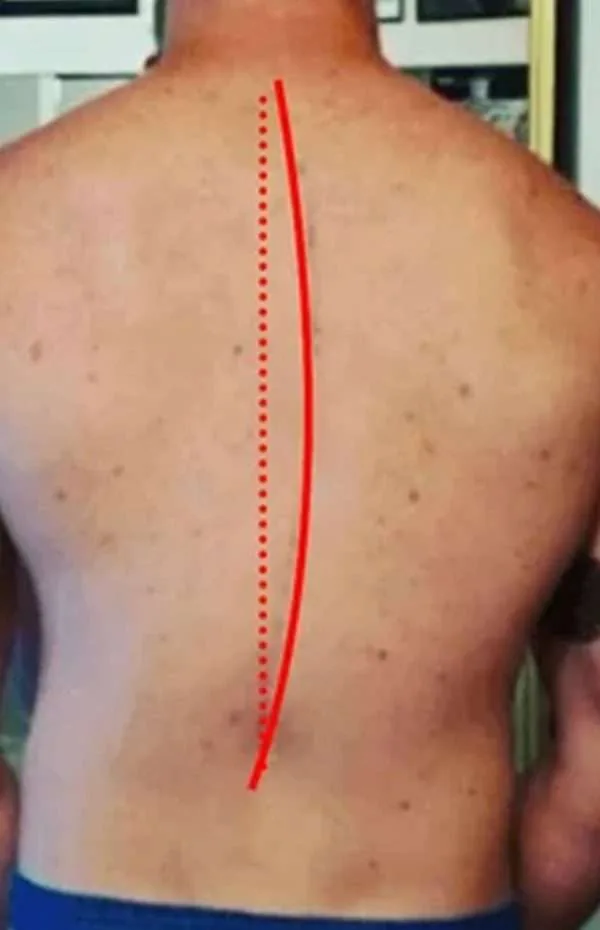 Before
 After
Hip Alignment Better hip alignment and smoother lower-body movement through hands-on fascial release. -
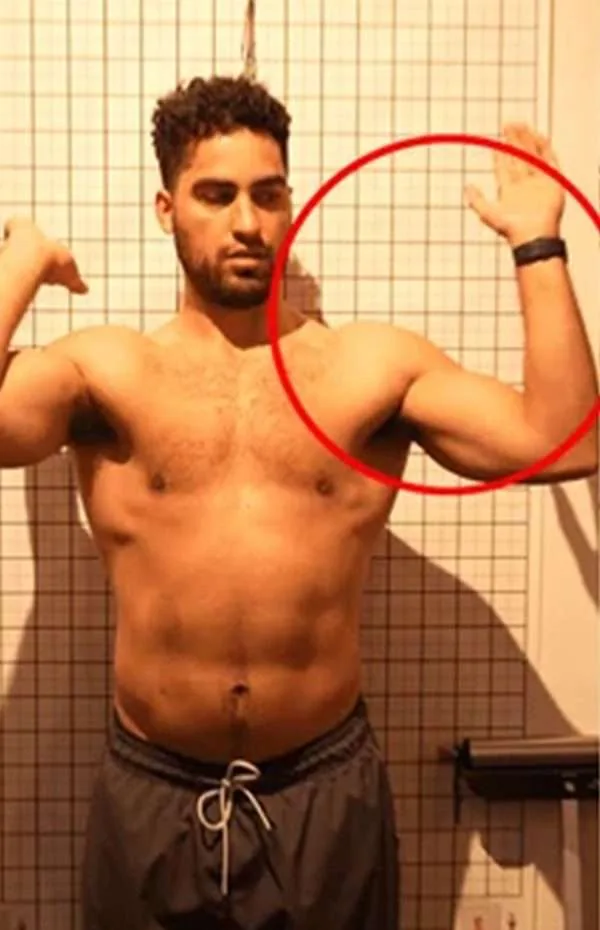
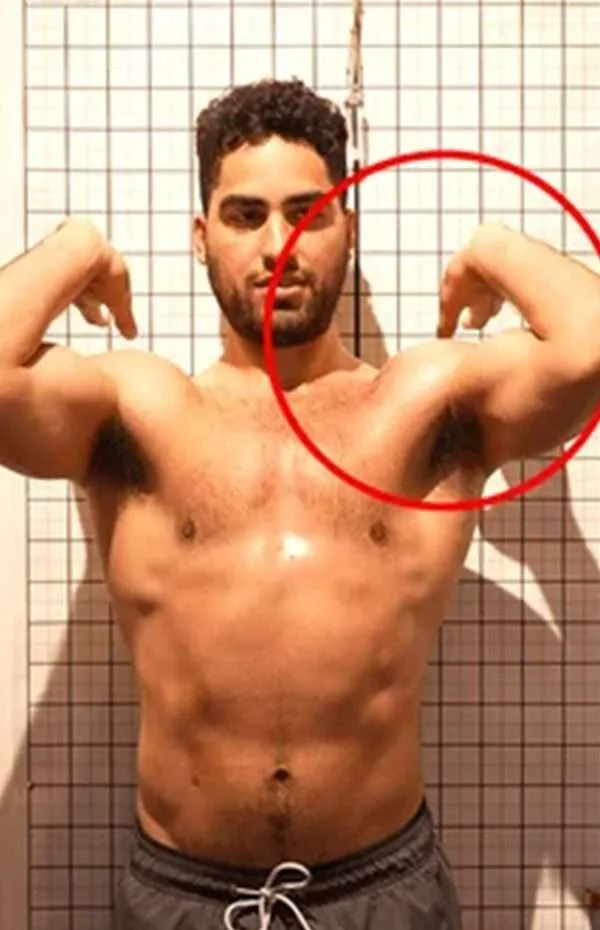
“Jimmy is always professional when I go see him for treatment. He takes his time addressing your problem areas and listens to any questions you might have. One of the few places where you go and can see immediate changes...
Read More Oscar GomezGoogle review
 Before
 After
Increased Shoulder Range of Motion Increased shoulder range of motion and reduced tension after AMR sessions. -
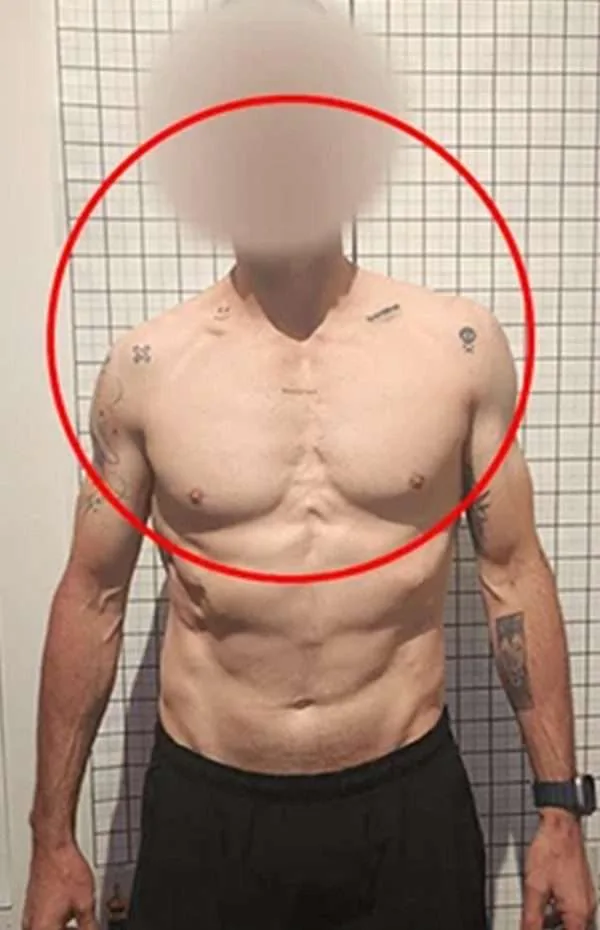
“Wow !! What a truly beautiful and powerful experience. Jimmy and Maria are so wonderful and have created a great environment for healing.”
 Jamie Pierce-ElwellGoogle review
 Before
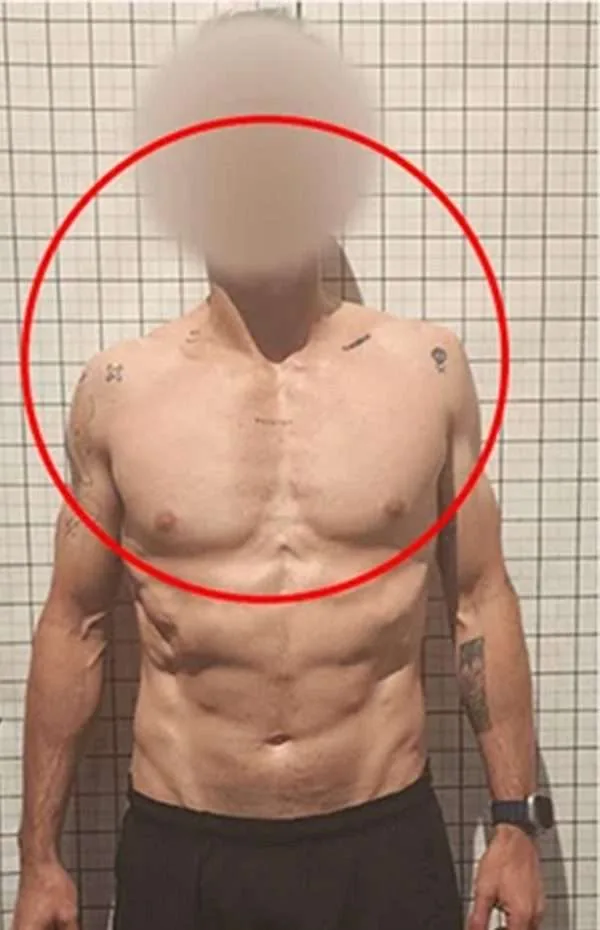 After
Posture Improvement Noticeable postural improvement with less upper-body tension after targeted manual work. -
Everything else was a waste of time… High vibration Good Vibes effective healing
 James MarsGoogle review
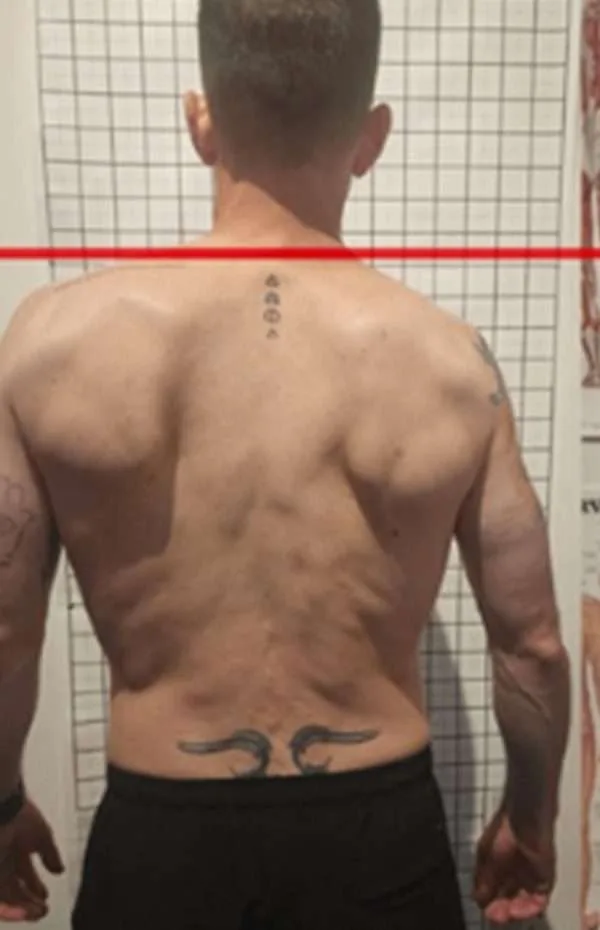 Before
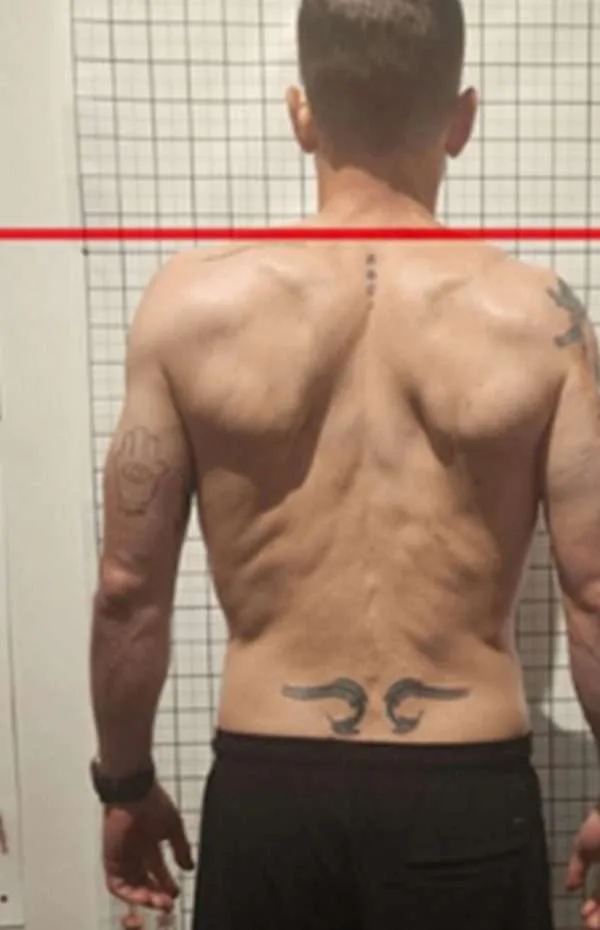 After
Neck & Upper-Back Mobility Improved neck and upper-back mobility following focused myofascial work.
Reviews and photos are shown separately. A review may not be from the client pictured.
Visit Us in Westwood
The Bluff Technique Healing Center



Contact Us
We’d love to hear from you
For more information or to get a free quote, call us at (570) 228-9132 or complete the contact form.
