
Conditions
Migraine and Tension Headache Relief in Los Angeles — Addressing the Structural Root

About 12% of Americans get migraines, according to MedlinePlus, and for most of them treatment options are largely pharmaceutical. Preventive medications. Abortive medications. Nerve blocks. Botox injections. These tools can reduce frequency and severity — but they address the neurological experience of migraine without touching the structural conditions that trigger it.
For a significant proportion of migraine and tension headache sufferers, those structural conditions live in the fascia.
At The Bluff Technique Healing Center in Westwood, Los Angeles, Jimmy Bluff treats the cervical, cranial, and jaw fascial restrictions that are among the most consistent and most overlooked structural triggers for chronic migraine and tension headache patterns.
The Fascial Trigger for Migraines and Tension Headaches
The dura mater — the outermost membrane of the meninges surrounding the brain and spinal cord — is continuous with the fascial system of the cervical spine through the suboccipital region. Anatomists have described connective tissue links between the small suboccipital muscles at the base of the skull and the dura, the membrane around the spinal cord. This is one proposed reason that tension at the top of the neck is so often linked with headaches.
This is the structural basis for cervicogenic headache and for the cervical component of migraine. It explains why so many migraineurs notice that their attacks are triggered or worsened by neck tension, jaw clenching, postural strain, or stress — and why addressing those structural drivers at the fascial level produces headache reduction that medication management cannot achieve on its own.
Primary fascial drivers of migraine and tension headache at The Bluff Technique:
- Suboccipital fascial restriction — the most consistent structural finding in cervicogenic headache and a major trigger mechanism in migraine
- Cervical fascial restriction — particularly posterior and lateral cervical tightness that transmits tension to the suboccipital and cranial fascial system
- Temporal and cranial fascial restriction — the temporalis, masseter, and cranial fascial system contribute directly to temporal headache patterns and are frequently involved in migraine presentations with temporal or orbital pain distribution
- TMJ and jaw fascial tension — craniofacial fascial restriction at the jaw contributes to both migraine and tension headache through the trigeminal nerve pathway; see our dedicated TMJ page for the full jaw-headache relationship
- Thoracic inlet and scalene restriction — fascial restriction at the cervicothoracic junction and anterior cervical region compromises vascular and neural dynamics through the superior thoracic aperture, contributing to headache patterns with anterior and vertex distribution
The AMR™ Headache Protocol
Every headache patient at The Bluff Technique begins with a full structural evaluation — cervical and thoracic range of motion, cranial and jaw assessment, postural analysis, and a detailed headache history including location, distribution, trigger patterns, and prior treatment response.
The AMR™ headache protocol systematically addresses the dural, cranial, cervical, and jaw fascial system in a whole-body sequence — not as isolated regional treatment but as an integrated structural intervention.
Session focus areas include:
- Suboccipital dural fascial release
- Posterior and lateral cervical fascial chain
- Cranial fascial mobilization — temporal, frontal, and parietal regions
- Jaw and craniofacial fascial release in presentations with TMJ or jaw-related headache components
- Thoracic and cervicothoracic fascial release for presentations with thoracic-inlet contribution
Many migraine clients at The Bluff Technique have experienced significant reduction in headache frequency, severity, and medication dependency within 6–10 sessions. Post-treatment maintenance sessions — monthly or bi-monthly — sustain the structural improvements and prevent restriction from re-accumulating.
Related services: myofascial release therapy, fascia release therapy, holistic bodywork.
Related conditions: neck pain, TMJ pain, fibromyalgia.
Who This Is For
- Chronic migraine sufferers — particularly those whose attacks are triggered by neck tension, jaw clenching, stress, or postural loading
- Tension headache patients with persistent daily or near-daily headache despite medication management
- Clients with cervicogenic headache — headache driven by cervical structural dysfunction
- Entertainment and tech professionals in Hollywood, West Hollywood, Beverly Hills, and Culver City whose screen posture and performance demands are primary structural headache triggers
- Headache sufferers who want to reduce or eliminate dependence on abortive and preventive medications
- Post-whiplash clients with headache as part of their symptom complex
Jimmy serves headache clients from Westwood, Santa Monica, Brentwood, Beverly Hills, West Hollywood, Pacific Palisades, Culver City, and Hollywood, with national access through concierge sessions.
Frequently Asked Questions — Migraines and Tension Headaches
Can fascial therapy actually reduce migraine frequency?
For migraines with a significant cervical or craniofacial structural component — which describes a large proportion of chronic migraine sufferers — AMR™ fascial treatment addressing the suboccipital, cervical, and jaw fascial system produces meaningful, documented reduction in headache frequency and severity. This does not replace neurological migraine care but complements it significantly.
How do I know if my headaches are structurally driven?
Common indicators include: headaches that start or worsen with neck tension, stress, or jaw clenching; pain that begins at the base of the skull; headaches triggered by prolonged screen time or poor posture; headaches accompanied by neck stiffness; and headaches that respond partially to massage or manual therapy but recur.
Does AMR™ treat cluster headaches?
Cluster headache is primarily a trigeminal autonomic headache disorder and requires neurological management. However, AMR™ can address the cervical and craniofacial fascial contributors that may be amplifying cluster frequency or severity in some patients. Jimmy will assess whether fascial treatment is appropriate for your specific headache type.
How many sessions does headache treatment typically take?
Most clients notice meaningful improvement in headache frequency and severity within 4–6 sessions. Full structural correction of the cervical and cranial fascial system driving chronic headache typically requires 8–12 sessions with monthly maintenance thereafter.
Can I continue my neurologist's treatment while doing AMR™?
Yes, and this is encouraged. AMR™ fascial treatment is an excellent complement to neurological migraine management — addressing structural contributors while your neurologist manages the neurological component. Jimmy can provide session notes for your neurologist's records.
-
“I have struggled with persistent back pain from long hours of sitting at a computer. And one 2 hour session with Jimmy — I have felt zero pain. It’s been two weeks. Not even a hint of pain since our...
Read More Jacob KreuzGoogle review
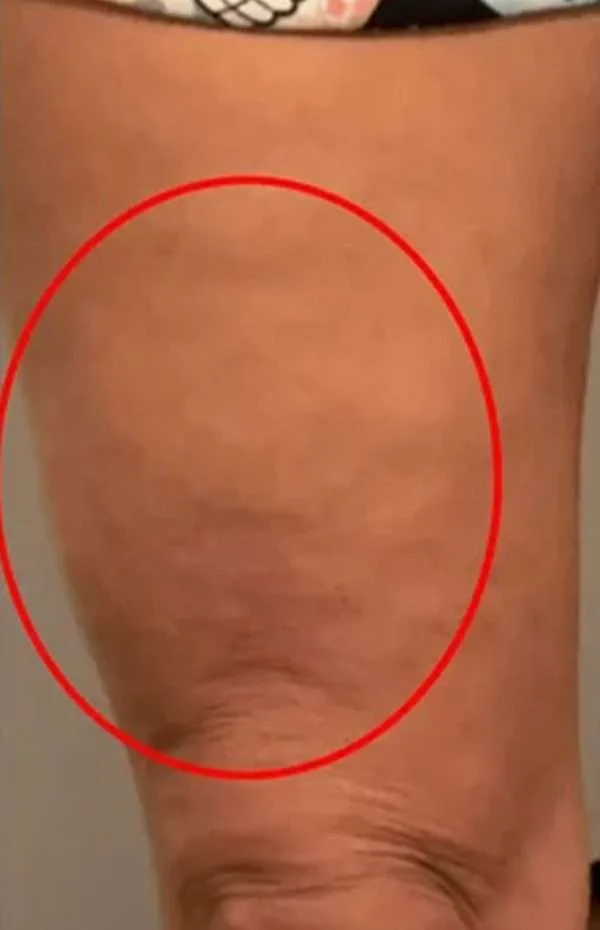 Before
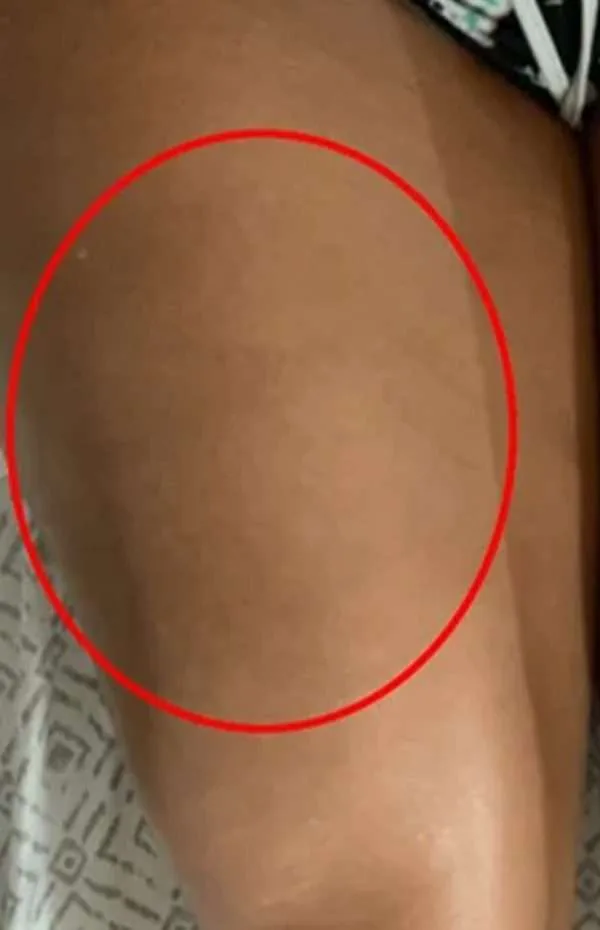 After
Reduced Tissue Congestion Reduced tissue congestion and improved skin tone following targeted Bluff Technique work. -
“Jimmy’s work on chronic back and feet pain was amazing! We traveled from Idaho to see him, as we had heard great things about him and his healing techniques. It was very much worth the trip and plan to see...
Read More Kristen PowellGoogle review
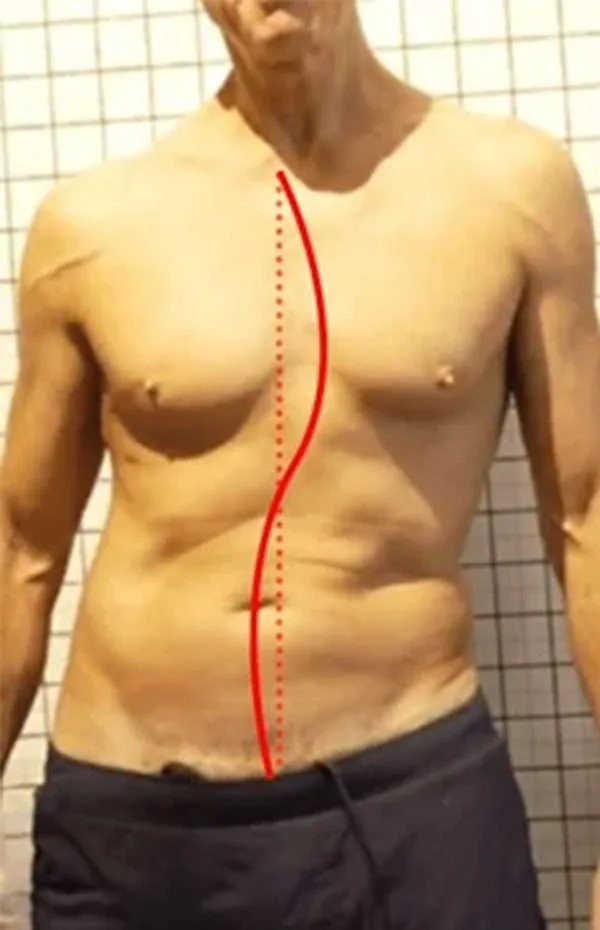 Before
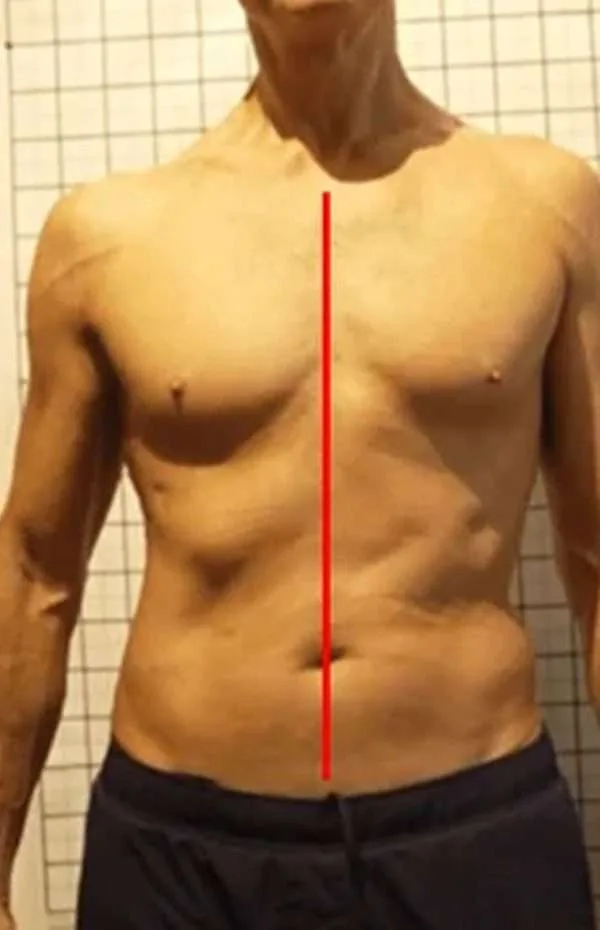 After
Enhanced Muscle Recovery Enhanced muscle recovery and overall movement quality after consistent sessions. -
amazing/magical! I stood up straight for the first time in years!
 Albie SelznickGoogle review
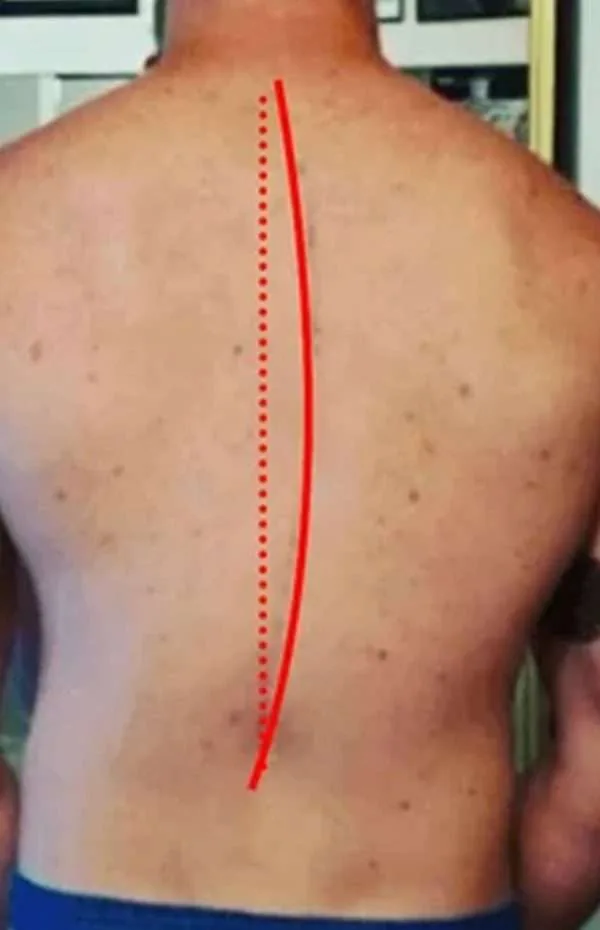 Before
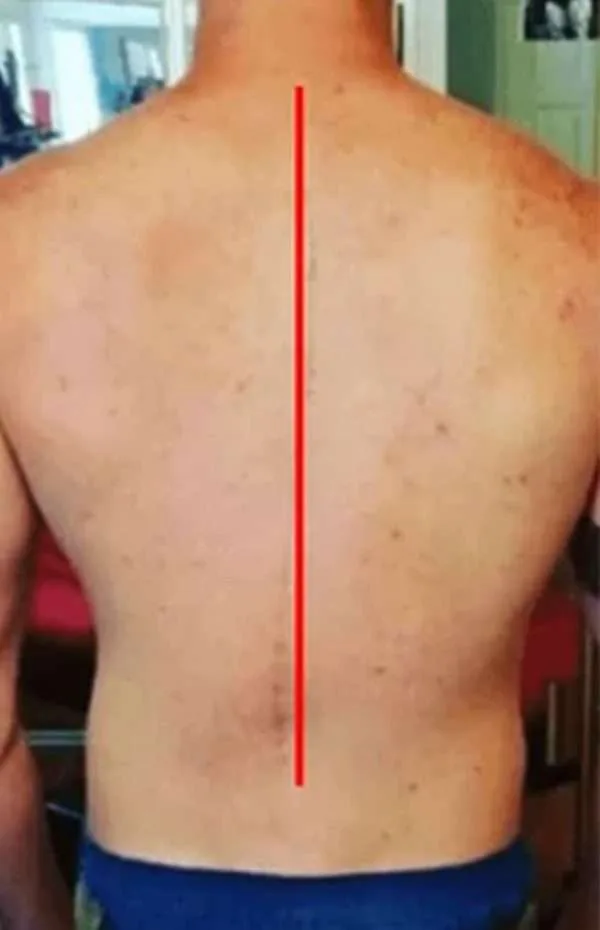 After
Hip Alignment Better hip alignment and smoother lower-body movement through hands-on fascial release. -
“Jimmy is always professional when I go see him for treatment. He takes his time addressing your problem areas and listens to any questions you might have. One of the few places where you go and can see immediate changes...
Read More Oscar GomezGoogle review
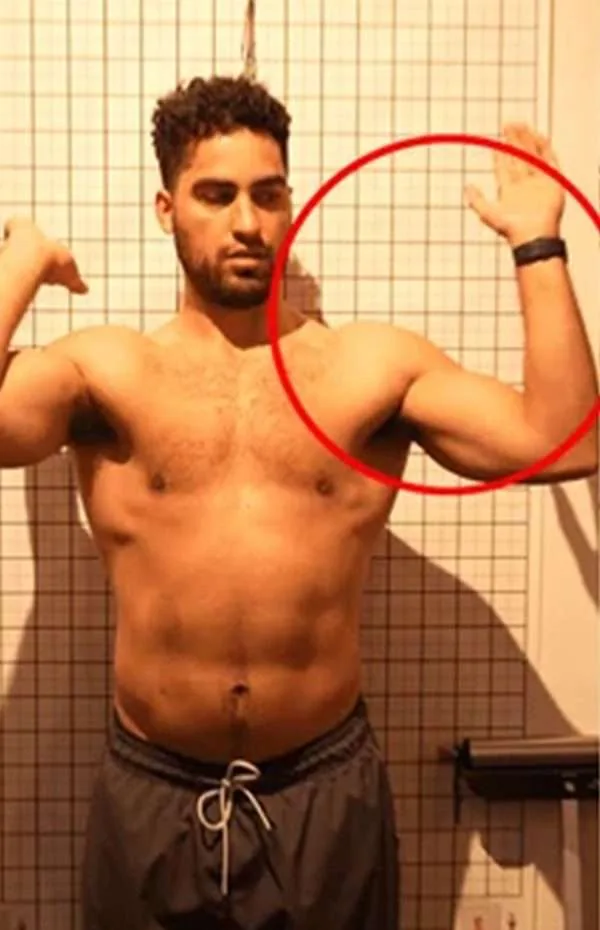 Before
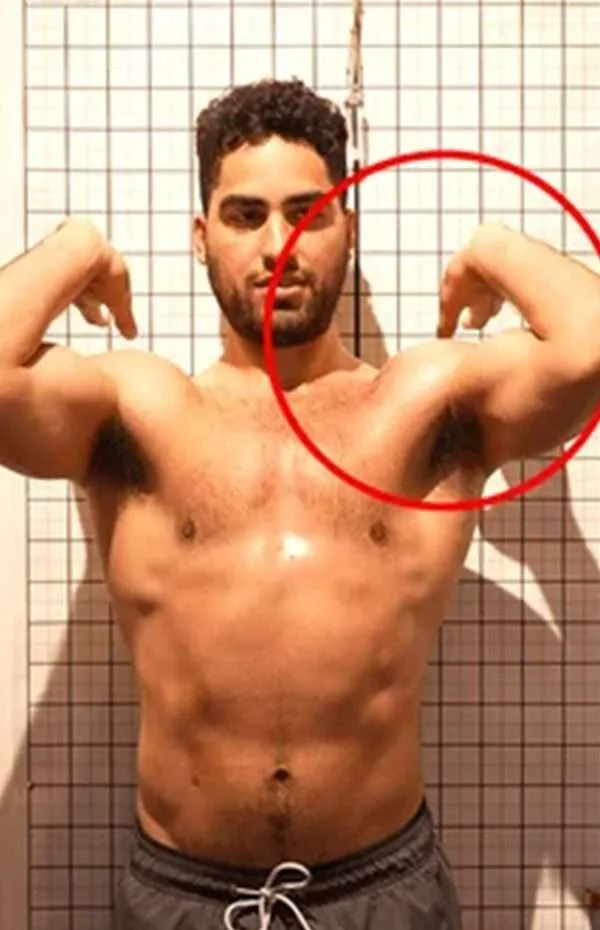 After
Increased Shoulder Range of Motion Increased shoulder range of motion and reduced tension after AMR sessions. -
“Wow !! What a truly beautiful and powerful experience. Jimmy and Maria are so wonderful and have created a great environment for healing.”
 Jamie Pierce-ElwellGoogle review
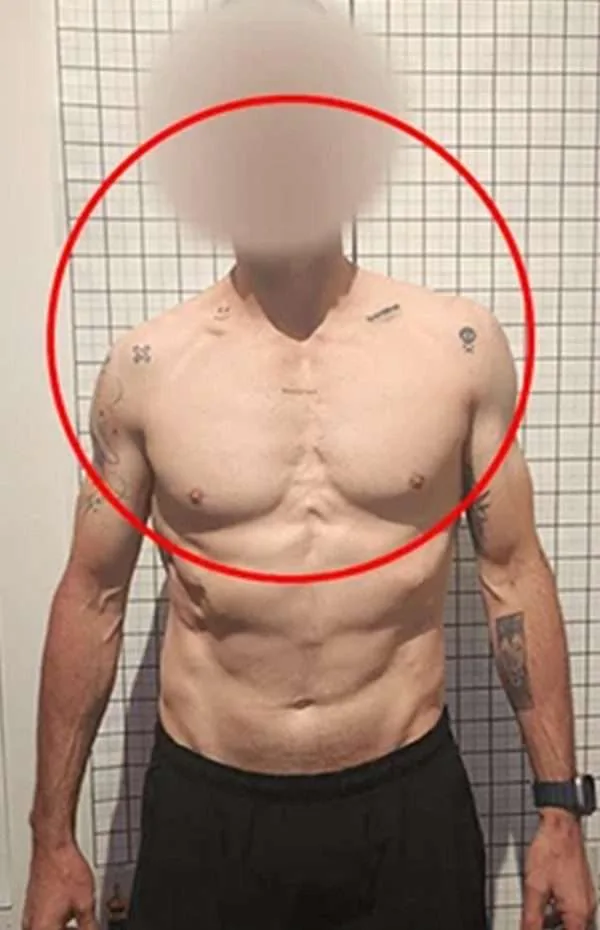 Before
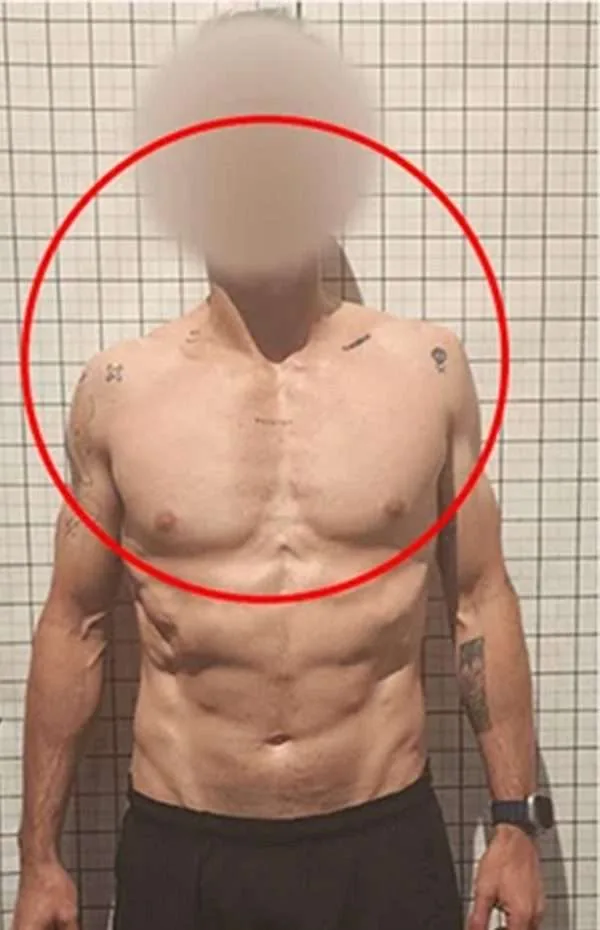 After
Posture Improvement Noticeable postural improvement with less upper-body tension after targeted manual work. -
Everything else was a waste of time… High vibration Good Vibes effective healing
 James MarsGoogle review
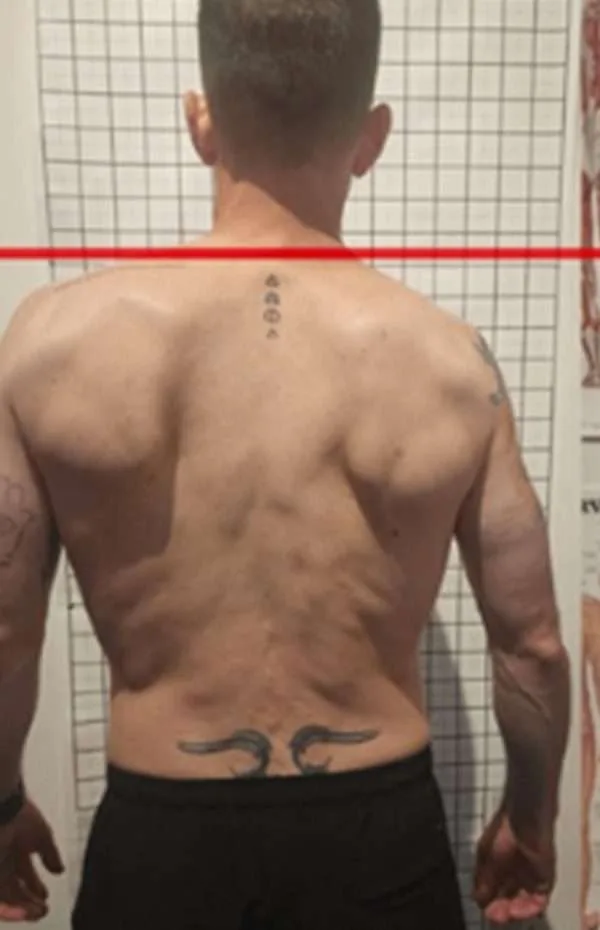 Before
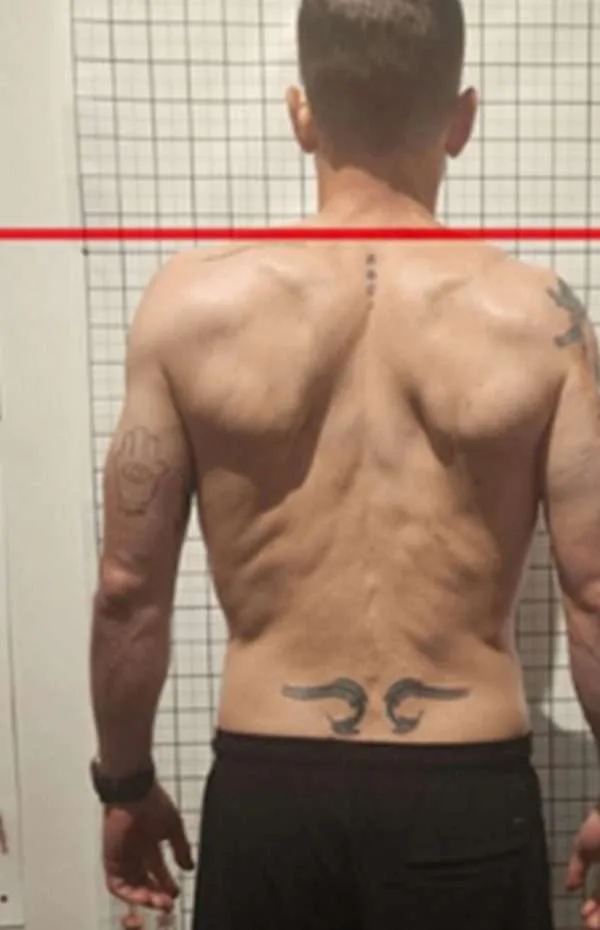 After
Neck & Upper-Back Mobility Improved neck and upper-back mobility following focused myofascial work.
Reviews and photos are shown separately. A review may not be from the client pictured.
Visit Us in Westwood
The Bluff Technique Healing Center



Contact Us
We’d love to hear from you
For more information or to get a free quote, call us at (570) 228-9132 or complete the contact form.
