
Conditions
Back Pain Relief in Los Angeles — Treating the Fascial Root, Not Just the Symptom
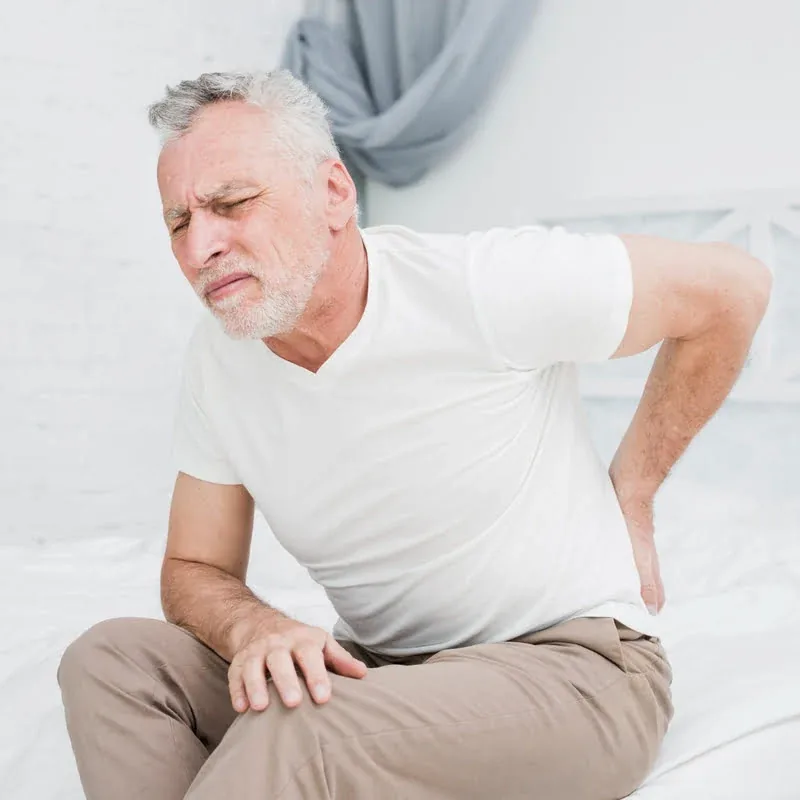
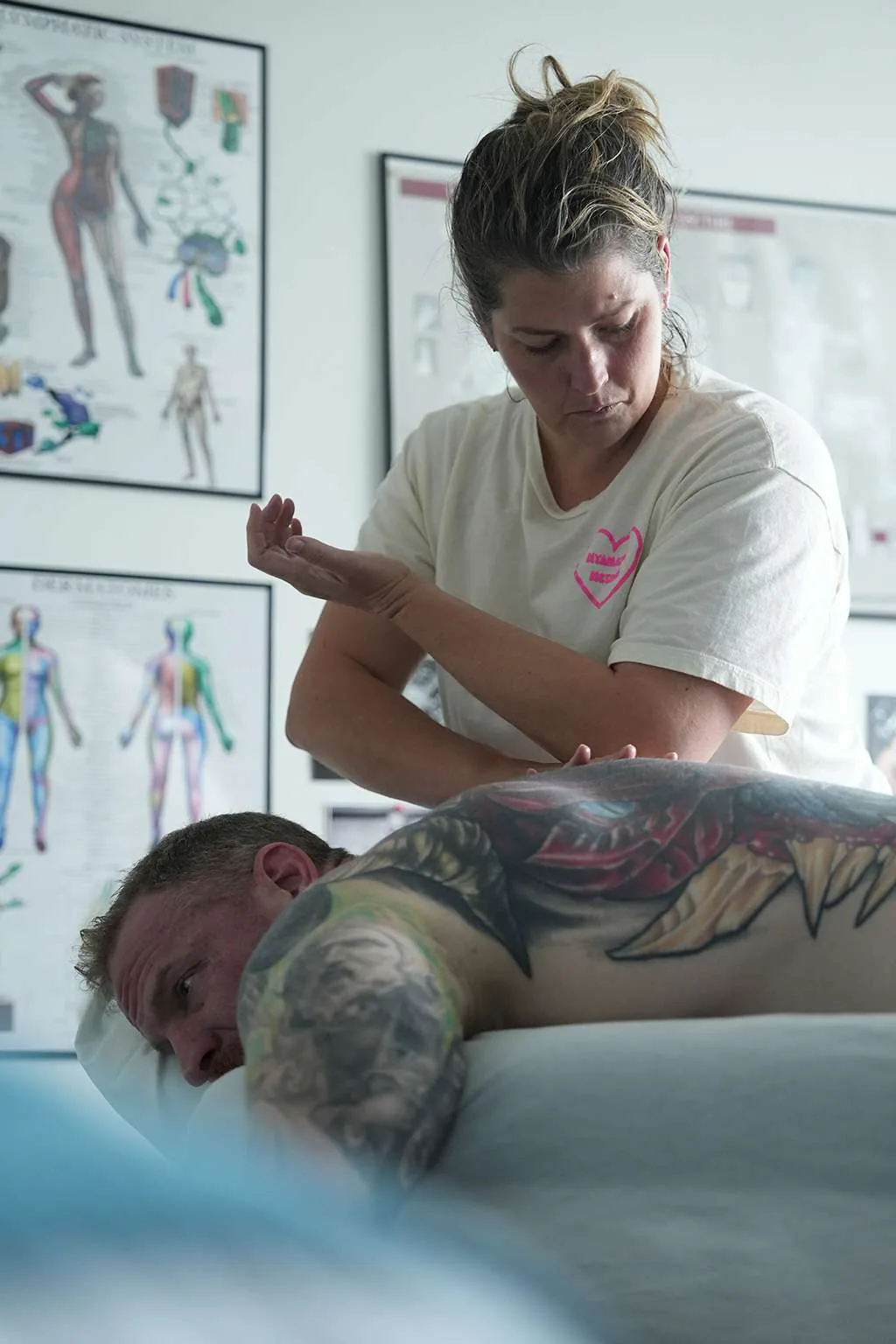
Back pain is the leading cause of disability worldwide. The World Health Organization estimates that 619 million people globally live with low back pain, and that number is rising. In the United States, the National Center for Complementary and Integrative Health calls low back pain a very common problem.
And yet, for the millions of people cycling through medications, injections, physical therapy, and surgery — the pain keeps coming back.
At The Bluff Technique Healing Center in Westwood, Los Angeles, Jimmy Bluff has spent more than 20 years treating the back pain cases that other approaches have failed. Not because he works harder on the same tissue — but because he works on a completely different tissue: the fascia.
Why Most Back Pain Treatment Fails
The standard medical workup for back pain focuses on the spine: disc degeneration, herniation, stenosis, facet joint arthritis, nerve compression. These are real findings. They are also frequently not the primary driver of pain.
The thoracolumbar fascia is the dense connective tissue sheet covering the lumbar spine and sacrum, and the National Library of Medicine's StatPearls reference notes that deep fascia like this is rich in sensory nerve endings. When this tissue becomes restricted through injury, overuse, surgery, or postural collapse, it generates pain that is indistinguishable from disc or nerve pain on physical examination but completely invisible on MRI and X-ray.
This is why so many patients receive "inconclusive" imaging results, are told their pain is disproportionate to their findings, or continue to suffer after technically successful spinal surgery. The disc was addressed. The fascia was not.
How AMR™ Addresses Back Pain
Jimmy Bluff's Advanced Muscle Reconstruction (AMR™) method targets the fascial architecture driving back pain at its structural source. Every back pain case at The Bluff Technique begins with a comprehensive assessment: postural analysis, functional movement screening, and a full intake covering injury history, surgical history, and prior treatment.
From this assessment, Jimmy maps the fascial restriction pattern driving the presenting pain — identifying not just the local lumbar restriction but the full chain of compensatory fascial tension contributing to it. Back pain is almost never a local problem. The hip flexors, sacroiliac fascia, thoracic cage, and even the cervical spine are frequently significant contributors to lumbar pain patterns.
AMR™ addresses the full chain systematically. The results are structural — not temporary.
Common back pain presentations successfully treated at The Bluff Technique:
- Chronic low back pain — including presentations with years of history and prior failed treatment
- Thoracolumbar fascial restriction — the most consistently underdiagnosed driver of mechanical back pain
- Sacroiliac joint dysfunction — SI-related pain driven by iliolumbar ligament and pelvic fascial restriction
- Lumbar hyperlordosis and flat-back syndrome — structural postural drivers of chronic lumbar loading
- Failed back surgery syndrome — persistent pain following technically successful spinal procedures
- Disc-related pain patterns — when fascial compression is a contributing driver alongside or instead of the disc finding itself
- Post-surgical lumbar adhesion — scar tissue from laminectomy, discectomy, or spinal fusion limiting recovery
Who This Is For
Back pain treatment at The Bluff Technique is particularly suited for:
- Clients with chronic low back pain lasting more than three months
- Those who have had inconclusive or "normal" imaging despite significant pain
- Post-spinal-surgery clients with incomplete recovery or persistent pain
- Athletes with recurring lumbar pain from training — particularly runners, lifters, and cyclists from Santa Monica, Pacific Palisades, and West Hollywood
- Executives and desk professionals in Beverly Hills, Culver City, and Brentwood with posture-driven lumbar loading
- Anyone managing back pain with medication who wants a structural alternative
Jimmy serves back pain clients from Westwood, Santa Monica, Beverly Hills, Brentwood, West Hollywood, Culver City, Pacific Palisades, and Hollywood, as well as nationally through concierge sessions.
Related Services and Conditions
Back pain treatment at The Bluff Technique most commonly draws on myofascial release therapy, fascia release therapy, chronic pain relief, posture realignment, and post-surgical recovery.
Back pain frequently co-presents with sciatica, scoliosis, neck pain, and fibromyalgia. Addressing these interconnected patterns together produces significantly better outcomes than treating each in isolation.
Frequently Asked Questions — Back Pain
Can myofascial therapy actually fix chronic back pain or just manage it?
For back pain with a significant fascial component — which describes the majority of chronic low back pain cases — AMR™ produces structural resolution, not symptom management. Many clients report less pain and better function after a treatment protocol. Any change to medication or surgical plans should be made with your physician.
How do I know if my back pain is fascial in origin?
Common indicators include: pain that shifts location, worsens with stress or weather changes, responds only temporarily to conventional treatment, is not fully explained by imaging findings, or is accompanied by widespread tightness or fatigue. Jimmy will assess this during your initial evaluation.
How many sessions does back pain typically require?
Acute presentations may resolve in 3–6 sessions. Chronic, multi-year back pain or post-surgical presentations typically require 10–15 sessions. Jimmy will give you a realistic projection during your first visit.
Is this safe after spinal surgery?
Yes, with physician clearance. AMR™ is a no-force technique and is appropriate for post-surgical clients once healing has progressed sufficiently — typically 8–12 weeks post-operatively. See our post-surgical recovery service for the full protocol.
Do you treat herniated discs?
Yes. While AMR™ does not alter disc anatomy, it addresses the fascial compression patterns that amplify disc-related pain and limit recovery. Many clients with herniated disc diagnoses experience dramatic pain reduction through AMR™ even without changes to the disc itself.
-
“I have struggled with persistent back pain from long hours of sitting at a computer. And one 2 hour session with Jimmy — I have felt zero pain. It’s been two weeks. Not even a hint of pain since our...
Read More Jacob KreuzGoogle review
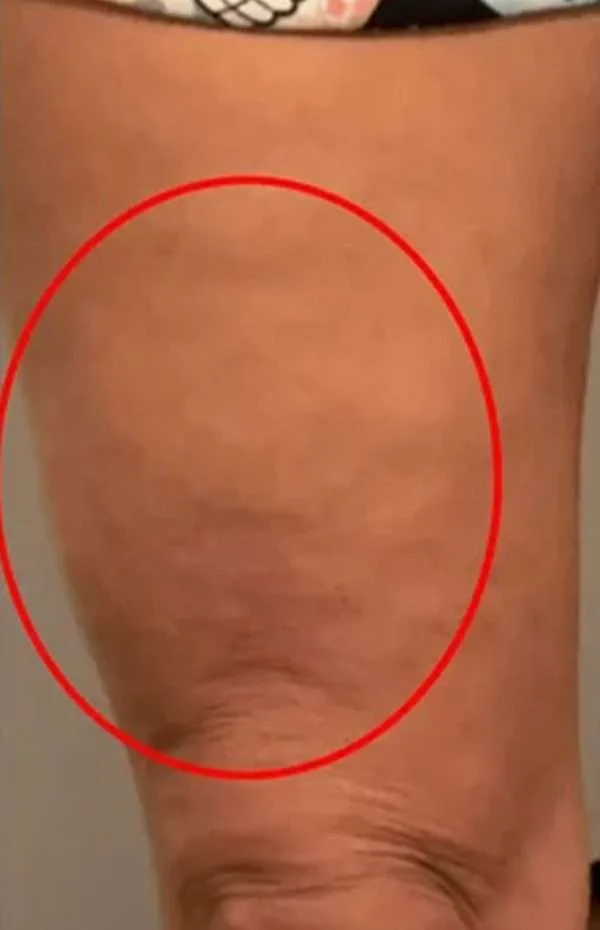 Before
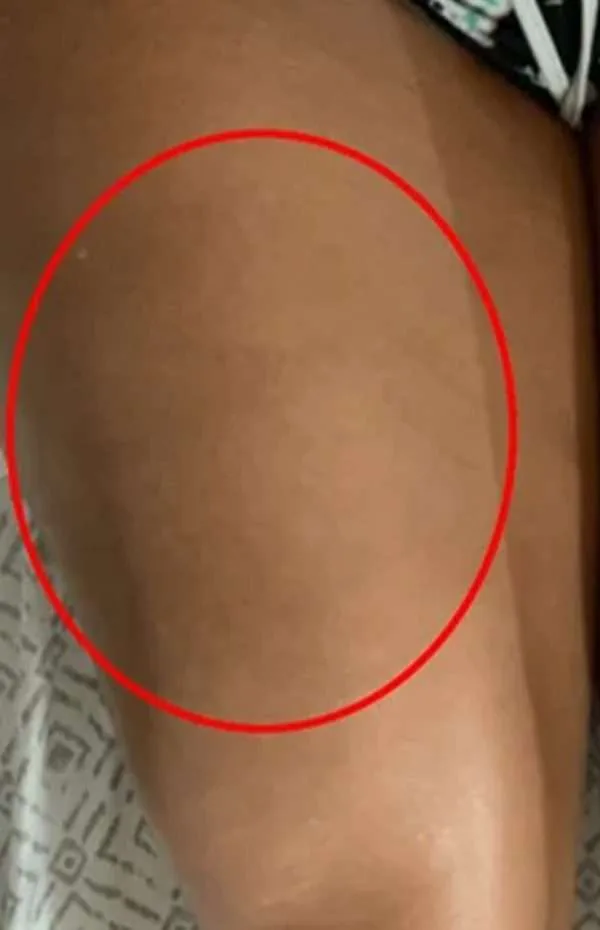 After
Reduced Tissue Congestion Reduced tissue congestion and improved skin tone following targeted Bluff Technique work. -
“Jimmy’s work on chronic back and feet pain was amazing! We traveled from Idaho to see him, as we had heard great things about him and his healing techniques. It was very much worth the trip and plan to see...
Read More Kristen PowellGoogle review
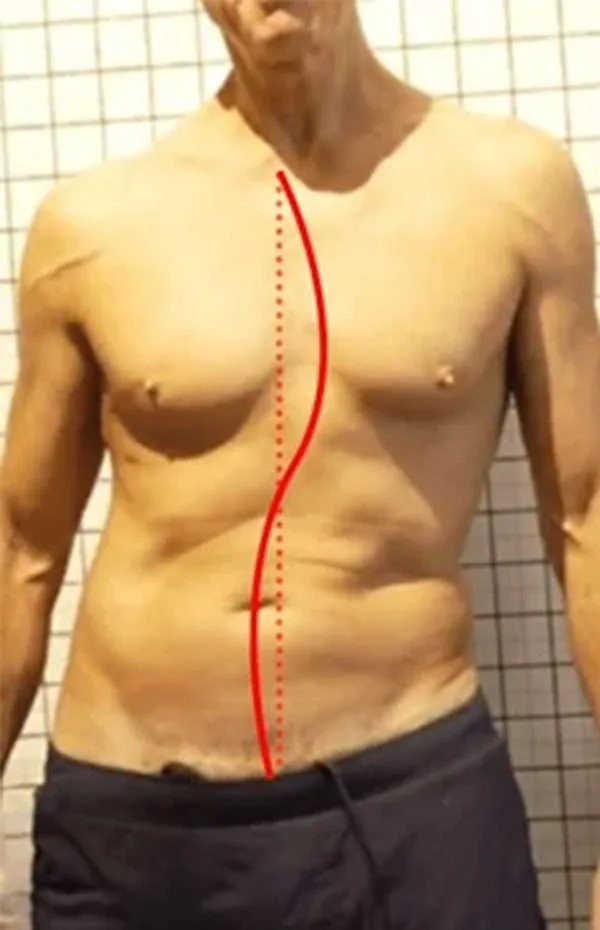 Before
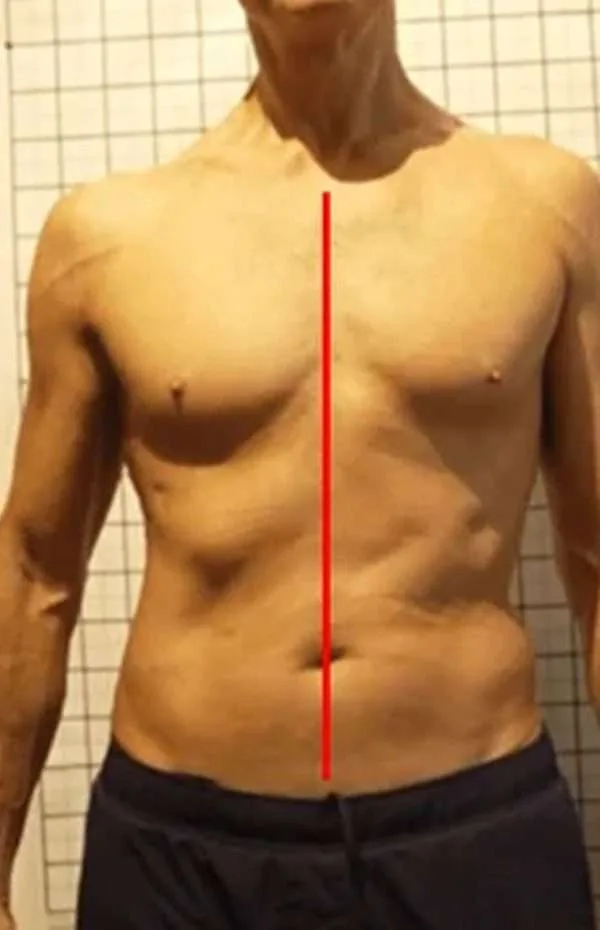 After
Enhanced Muscle Recovery Enhanced muscle recovery and overall movement quality after consistent sessions. -
amazing/magical! I stood up straight for the first time in years!
 Albie SelznickGoogle review
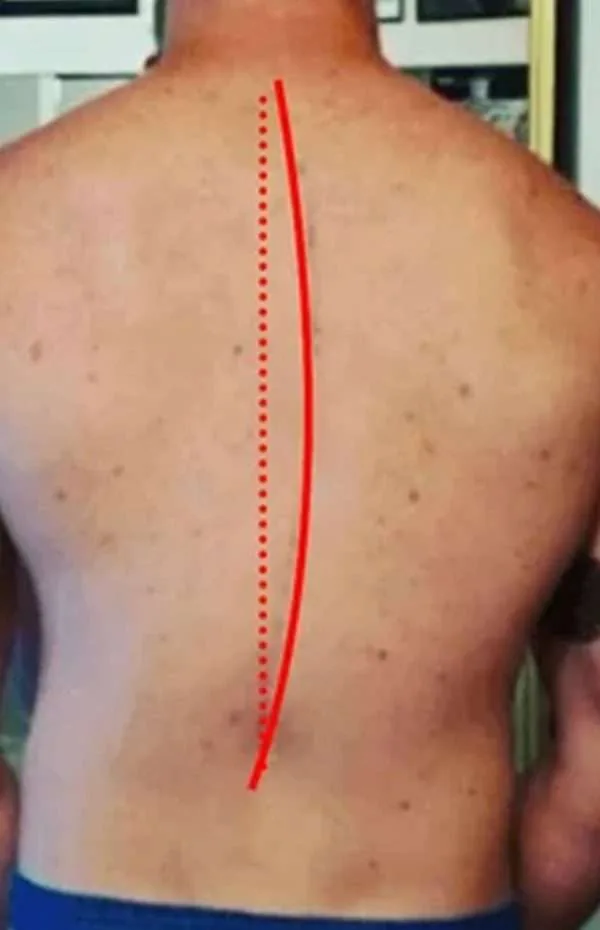 Before
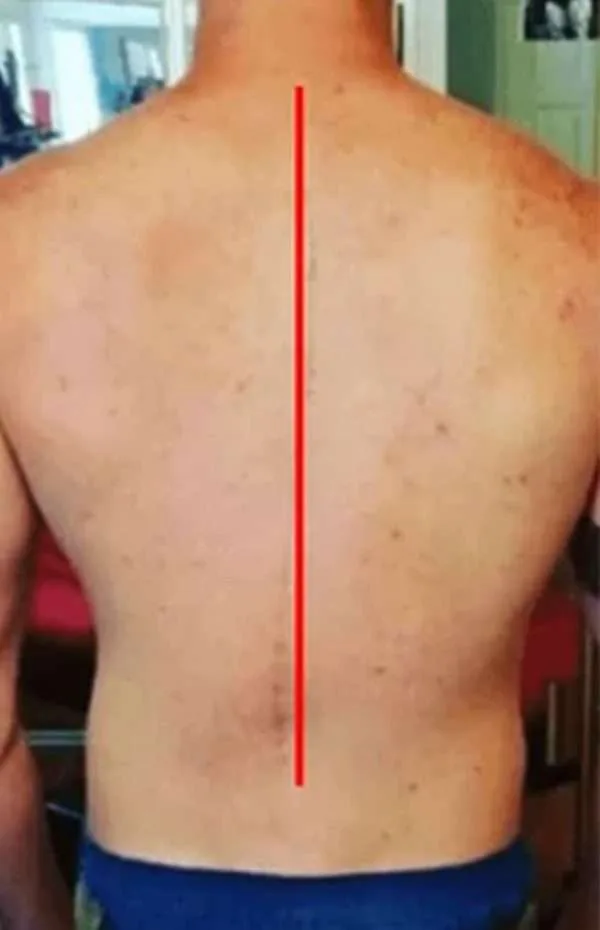 After
Hip Alignment Better hip alignment and smoother lower-body movement through hands-on fascial release. -
“Jimmy is always professional when I go see him for treatment. He takes his time addressing your problem areas and listens to any questions you might have. One of the few places where you go and can see immediate changes...
Read More Oscar GomezGoogle review
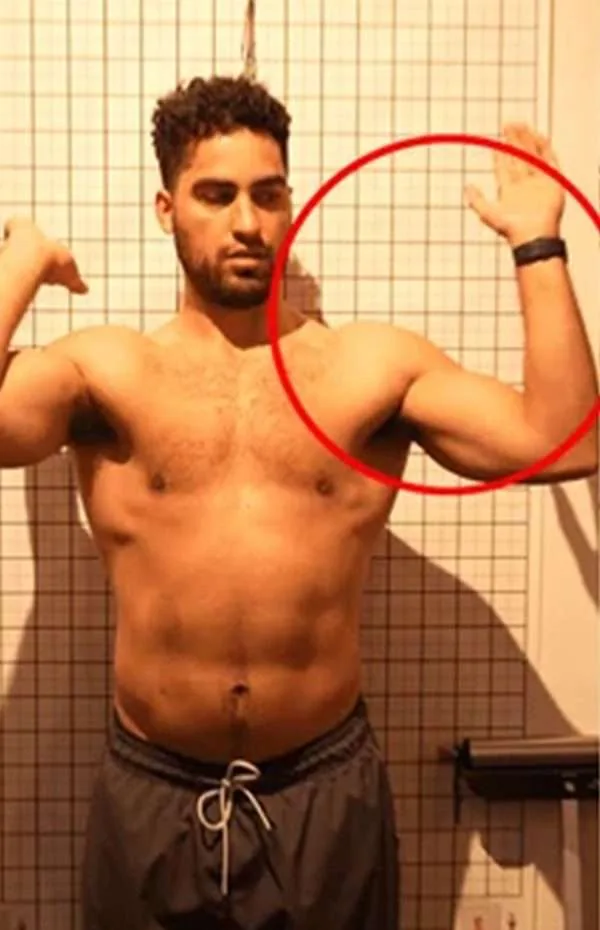 Before
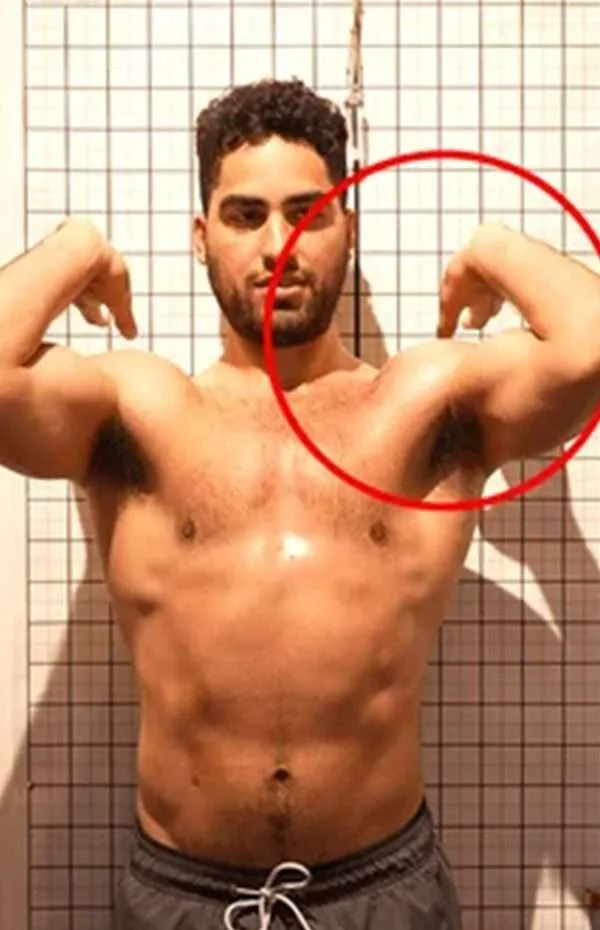 After
Increased Shoulder Range of Motion Increased shoulder range of motion and reduced tension after AMR sessions. -
“Wow !! What a truly beautiful and powerful experience. Jimmy and Maria are so wonderful and have created a great environment for healing.”
 Jamie Pierce-ElwellGoogle review
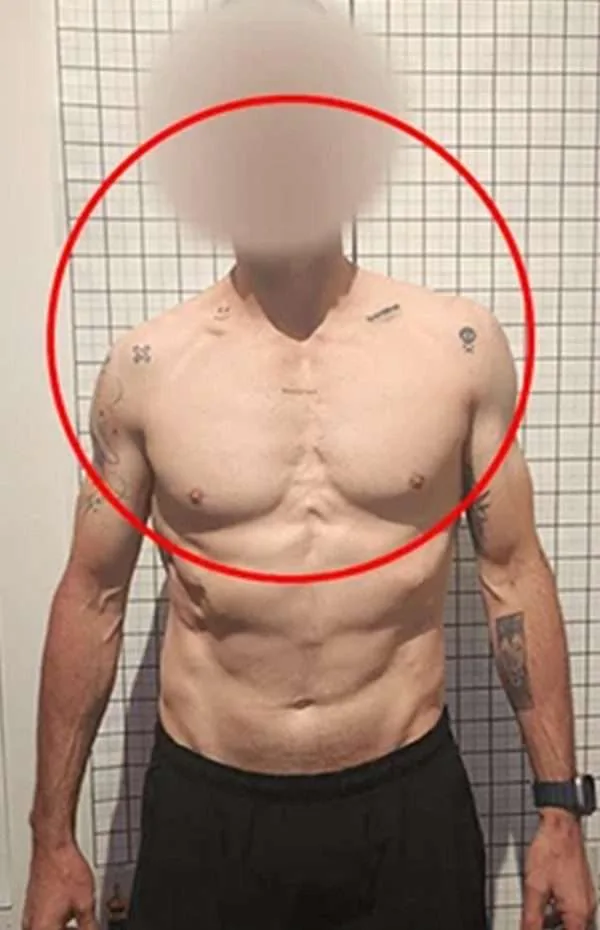 Before
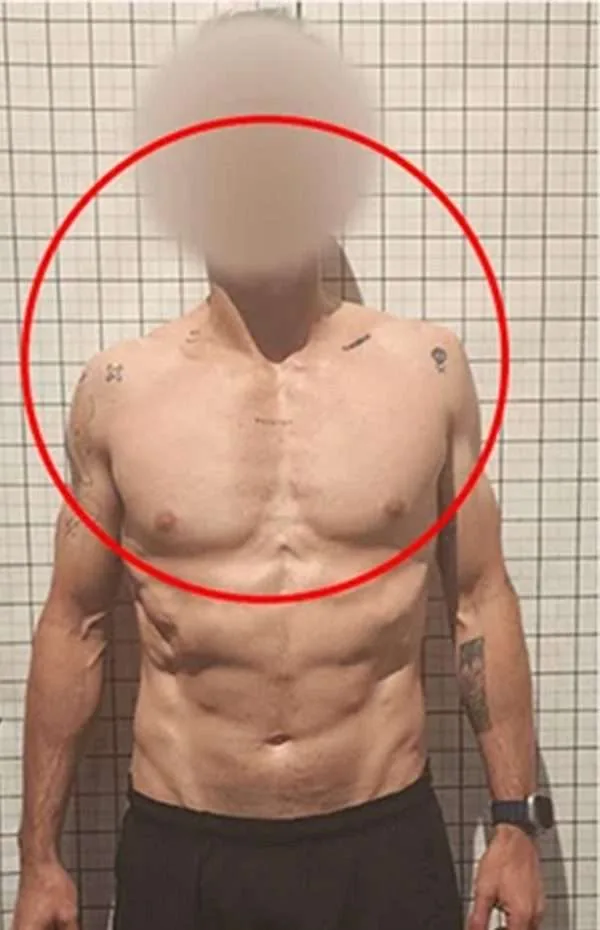 After
Posture Improvement Noticeable postural improvement with less upper-body tension after targeted manual work. -
Everything else was a waste of time… High vibration Good Vibes effective healing
 James MarsGoogle review
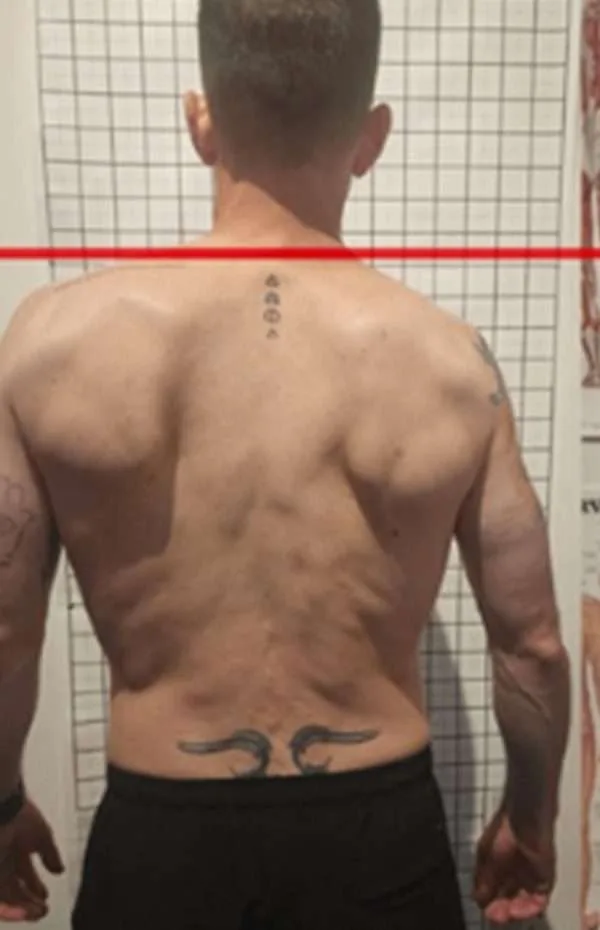 Before
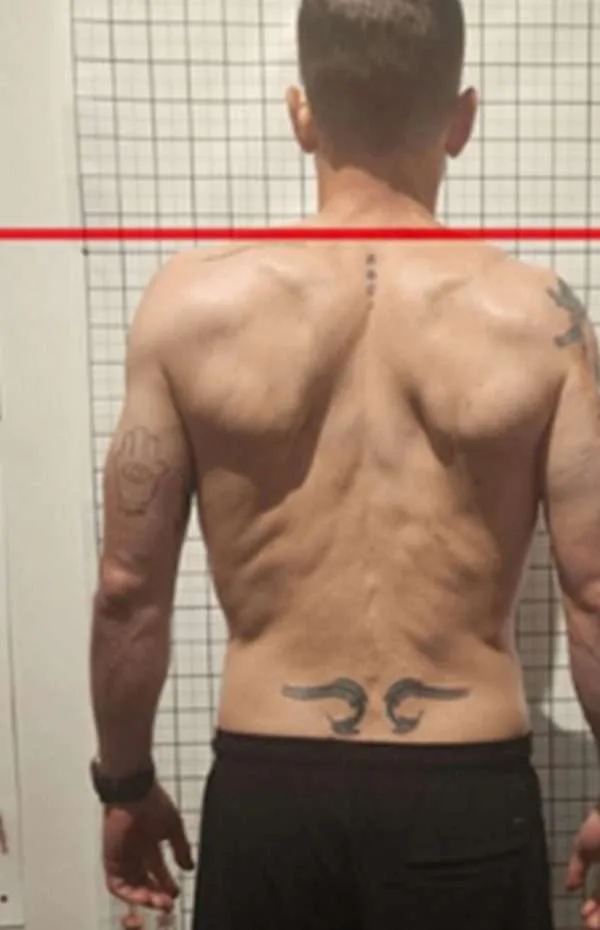 After
Neck & Upper-Back Mobility Improved neck and upper-back mobility following focused myofascial work.
Reviews and photos are shown separately. A review may not be from the client pictured.
Visit Us in Westwood
The Bluff Technique Healing Center



Contact Us
We’d love to hear from you
For more information or to get a free quote, call us at (570) 228-9132 or complete the contact form.
