
Conditions
Sciatica Relief in Los Angeles — Releasing the Fascial Chain Behind Sciatic Pain
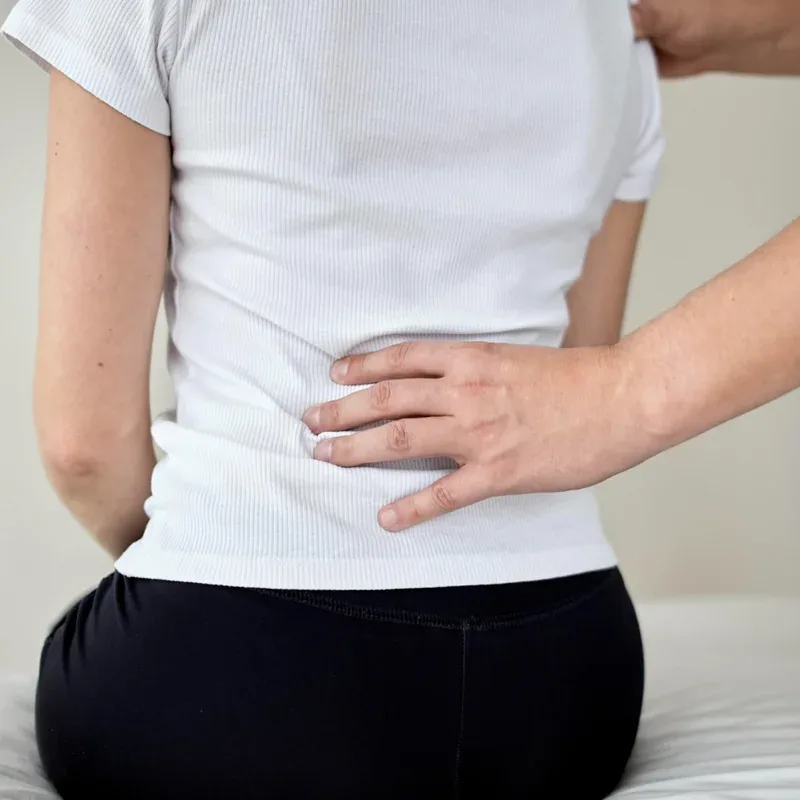
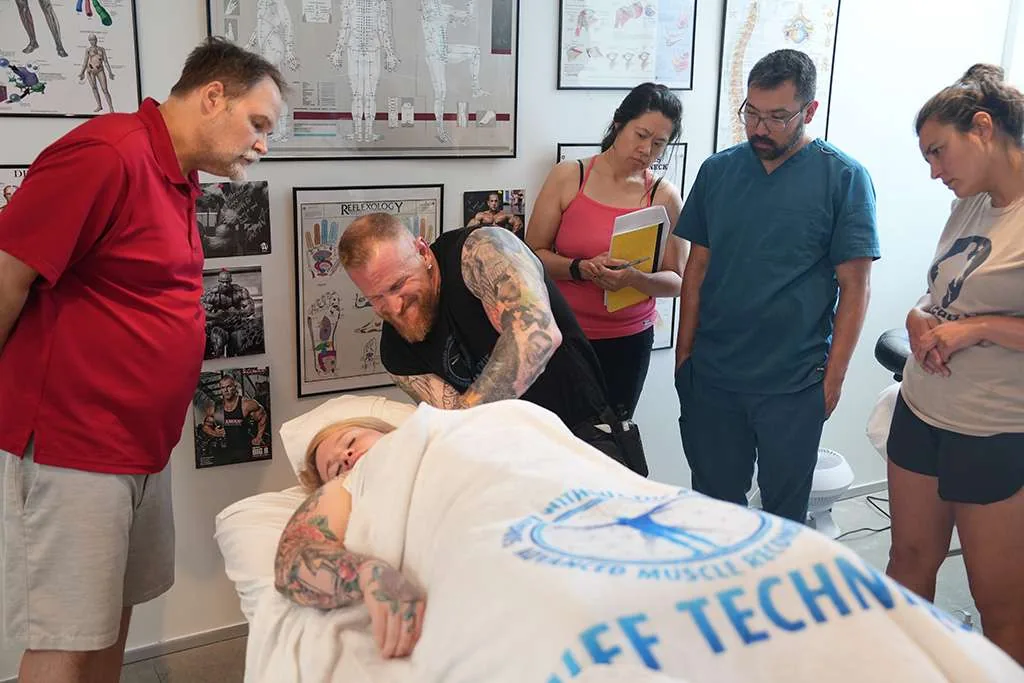
Sciatica is one of the most debilitating pain patterns the human body generates. The radiating burn, the electric shock down the leg, the numbness and weakness that make sitting, standing, and walking a negotiation with pain — these symptoms can dominate daily life and resist treatment for months or years at a time.
The standard treatment pathway — rest, anti-inflammatories, epidural steroid injections, physical therapy, and ultimately surgery — produces lasting relief for a significant proportion of sciatica patients. But for the patients it does not help, the reason is almost always the same: the true driver of their sciatic pain is not the disc. It is the fascia.
At The Bluff Technique Healing Center in Westwood, Los Angeles, Jimmy Bluff specializes in precisely this patient. The one whose MRI shows a disc finding that does not fully explain their symptoms. The one whose injections worked for six weeks and then stopped. The one who has had surgery and is still in pain. The one who is being told the next step is more invasive.
There is another step. And it starts with the fascia.
The Fascial Component of Sciatica
The sciatic nerve — the largest nerve in the human body — travels from the lumbar spine through the gluteal region, past the piriformis muscle, and down the posterior leg to the foot. At virtually every point along this pathway, the nerve is in intimate contact with fascia.
Nerves pass through and between fascial layers, so tight or irritated tissue around a nerve may add to symptoms along its path. Restricted fascia does not simply compress tissue — it generates mechanical tension that can be transmitted along fascial lines far from the restriction site, producing pain patterns that mimic disc herniation precisely.
The most commonly overlooked fascial contributors to sciatic pain include:
- Piriformis fascial restriction — the piriformis muscle is encased in fascia that, when restricted, directly compresses the sciatic nerve in the deep gluteal space. This is the primary driver of what clinicians call piriformis syndrome — frequently misdiagnosed as lumbar disc herniation
- Thoracolumbar fascial adhesion — restrictions in the lumbar fascial system alter the mechanical environment of the lumbar nerve roots before they even form the sciatic nerve
- Sacroiliac fascial restriction — iliolumbar ligament and posterior SI capsule restriction creates referred pain patterns into the gluteal region and posterior thigh that are clinically indistinguishable from true sciatica
- Hamstring fascial adhesion — the sciatic nerve passes through or adjacent to the hamstring fascial compartment; restriction here generates radiating posterior thigh pain that many practitioners mistake for proximal nerve root compression
The AMR™ Sciatica Protocol
Jimmy's approach to sciatica begins where most treatment ends: at the fascial level. Every sciatica case starts with a full structural assessment mapping the entire fascial chain from the lumbar spine to the foot — identifying the primary restriction driving the nerve irritation and the compensatory restrictions maintaining it.
Treatment systematically addresses:
- Lumbar and thoracolumbar fascial release
- Piriformis and deep gluteal fascial decompression
- Sacroiliac and iliolumbar fascial release
- Hamstring and posterior compartment fascial mobilization
- Distal nerve pathway fascial assessment through the posterior knee and calf
For clients whose sciatica has a confirmed disc component, AMR™ addresses the fascial contributors alongside that finding — significantly reducing the compressive and inflammatory load on the affected nerve root and frequently producing relief that epidural injections could not sustain.
Related services: myofascial release therapy, chronic pain relief, fascia release therapy, posture realignment.
Who This Is For
- Clients with sciatica lasting more than 6–8 weeks with incomplete or no resolution through conventional treatment
- Post-surgical patients with persistent sciatic symptoms following discectomy or laminectomy
- Athletes with gluteal, hamstring, or posterior leg pain that returns despite treatment — particularly runners from Santa Monica and Pacific Palisades, cyclists from Culver City, and bodybuilders from West Hollywood
- Desk workers and professionals in Beverly Hills, Brentwood, and Hollywood whose occupational sitting posture is a primary driver of sciatic compression
- Anyone whose sciatica imaging does not fully explain their symptom severity or distribution
Jimmy serves sciatica clients from Westwood and throughout Los Angeles, plus nationally through concierge sessions.
Frequently Asked Questions — Sciatica
Can myofascial therapy resolve sciatica without surgery?
For fascially driven sciatica — and particularly for piriformis syndrome misdiagnosed as disc herniation — AMR™ frequently produces full resolution without surgical intervention. For confirmed disc herniation cases, AMR™ significantly reduces symptoms and may eliminate the need for surgery by reducing the fascial contributors to nerve compression.
How do I know if my sciatica is fascial vs. disc-driven?
This is often indistinguishable through symptoms alone, which is why structural assessment is essential. Key indicators of a significant fascial component include: symptoms that change with posture or stress, pain that extends beyond expected dermatomal patterns, prior temporary relief from massage or manipulation, and symptoms disproportionate to imaging findings. Jimmy assesses this at your first visit.
I had surgery and still have sciatica. Can AMR™ help?
Yes. Post-surgical sciatic persistence is one of the most common presentations at The Bluff Technique. Epidural scar tissue, lumbar fascial adhesion from the surgical approach, and piriformis restriction secondary to altered gait patterns are all treatable through AMR™. See our post-surgical recovery service.
How many sessions are typically needed for sciatica?
Acute fascial sciatica often responds significantly within 3–5 sessions. Chronic or post-surgical sciatic presentations typically require 10–15 sessions. Jimmy will project a realistic timeline during your initial evaluation.
Is the treatment painful given how sensitive sciatica can be?
No. AMR™ is a no-force, sustained-engagement technique. Treatment near an irritated sciatic nerve pathway is performed with exceptional gentleness. Clients with acute sciatic flares consistently report that sessions provide immediate relief during treatment.
-
“I have struggled with persistent back pain from long hours of sitting at a computer. And one 2 hour session with Jimmy — I have felt zero pain. It’s been two weeks. Not even a hint of pain since our...
Read More Jacob KreuzGoogle review
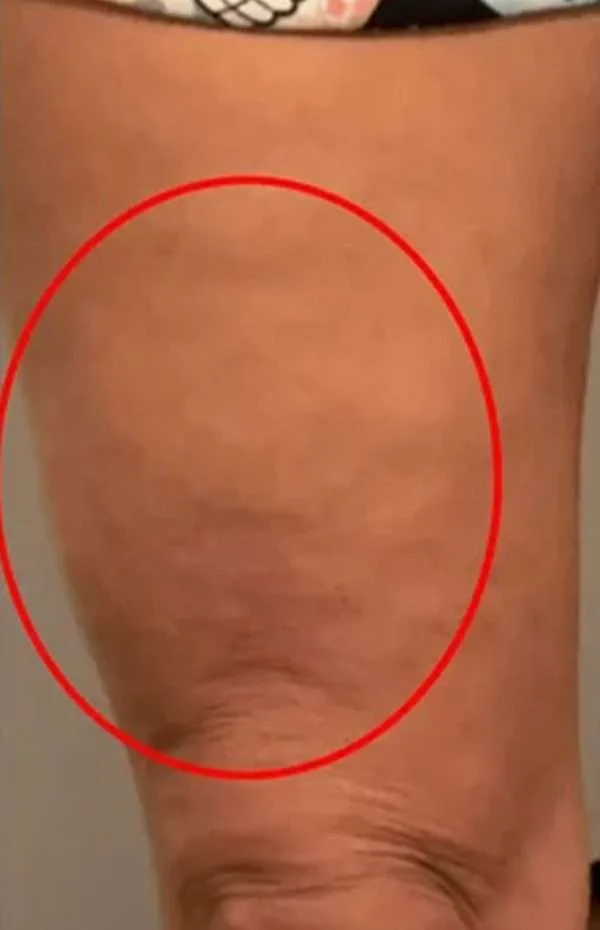 Before
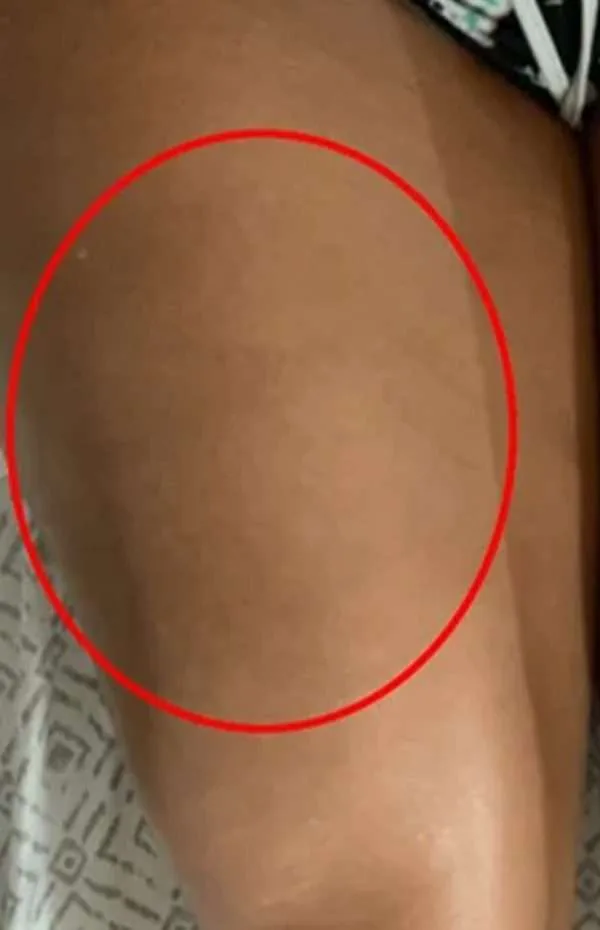 After
Reduced Tissue Congestion Reduced tissue congestion and improved skin tone following targeted Bluff Technique work. -
“Jimmy’s work on chronic back and feet pain was amazing! We traveled from Idaho to see him, as we had heard great things about him and his healing techniques. It was very much worth the trip and plan to see...
Read More Kristen PowellGoogle review
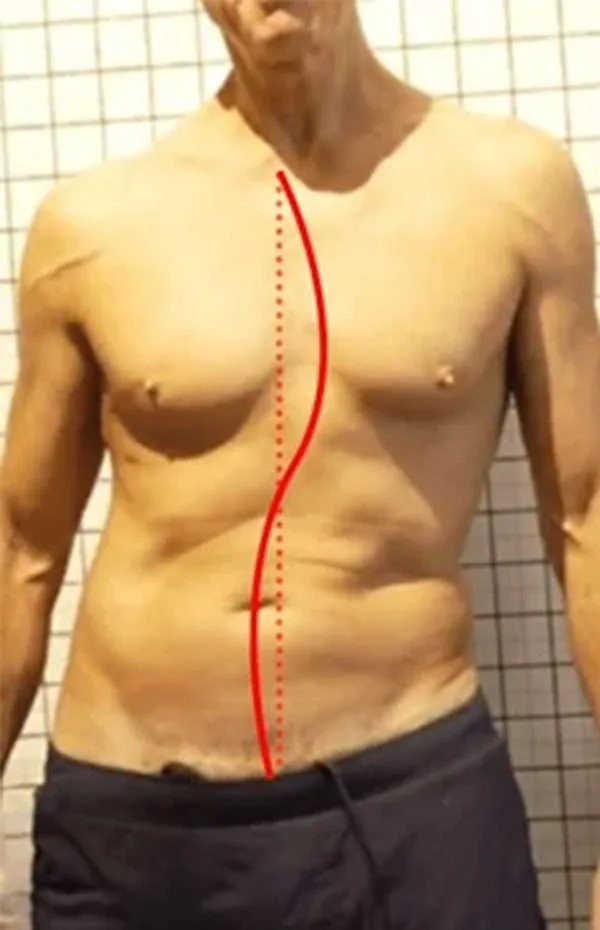 Before
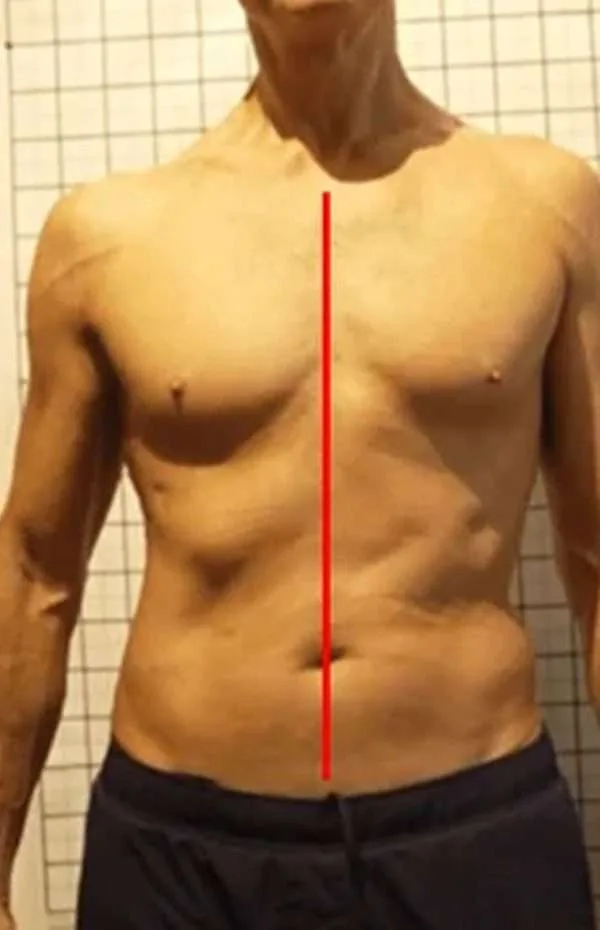 After
Enhanced Muscle Recovery Enhanced muscle recovery and overall movement quality after consistent sessions. -
amazing/magical! I stood up straight for the first time in years!
 Albie SelznickGoogle review
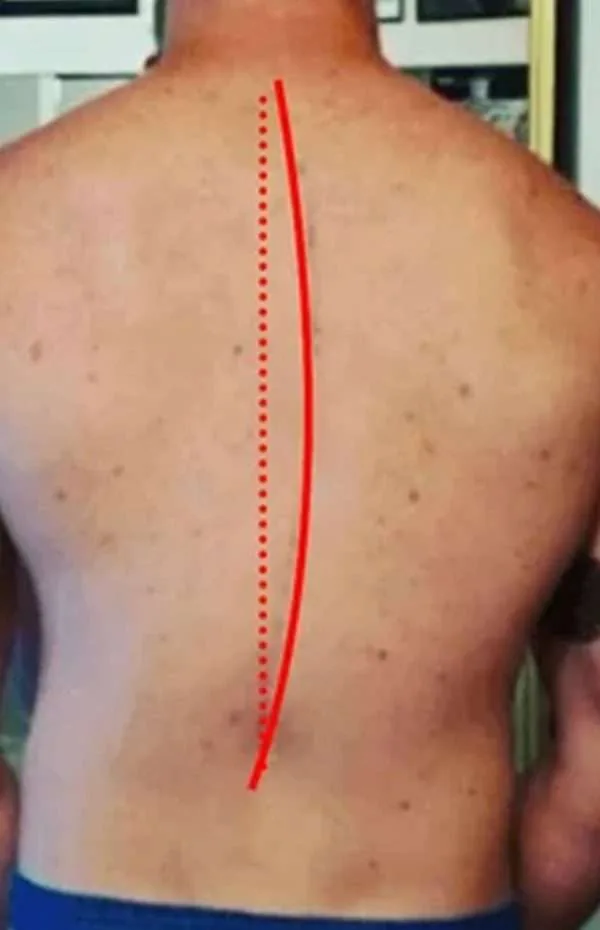 Before
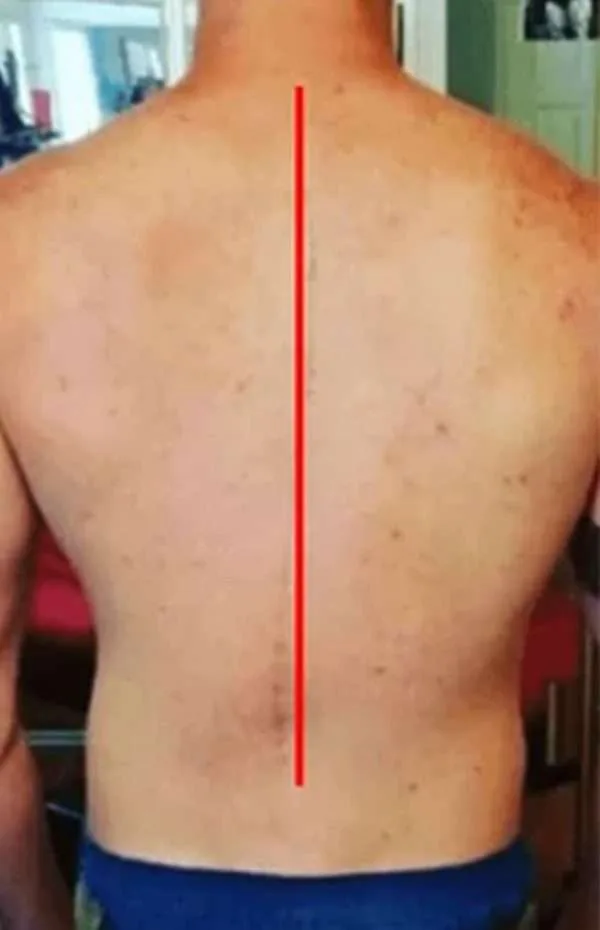 After
Hip Alignment Better hip alignment and smoother lower-body movement through hands-on fascial release. -
“Jimmy is always professional when I go see him for treatment. He takes his time addressing your problem areas and listens to any questions you might have. One of the few places where you go and can see immediate changes...
Read More Oscar GomezGoogle review
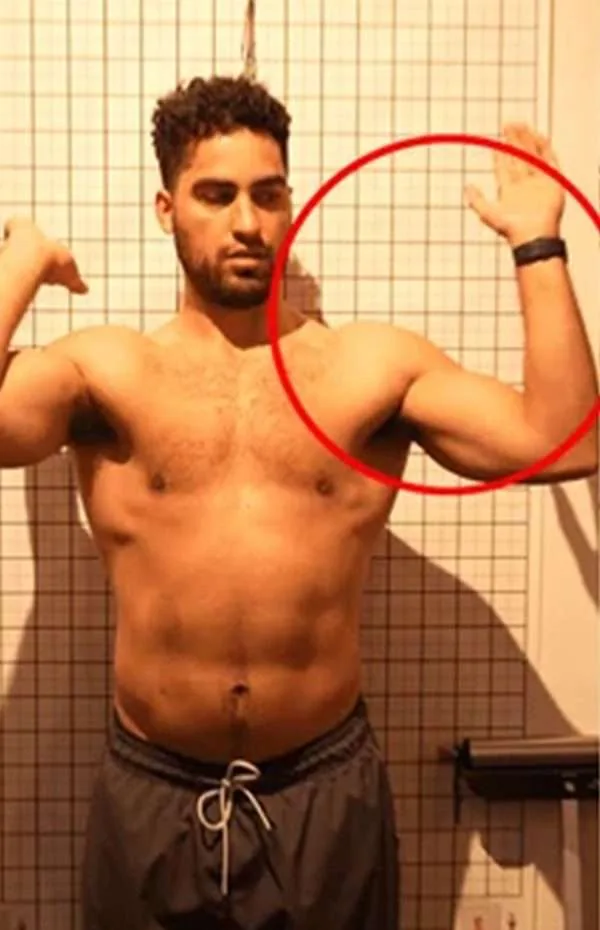 Before
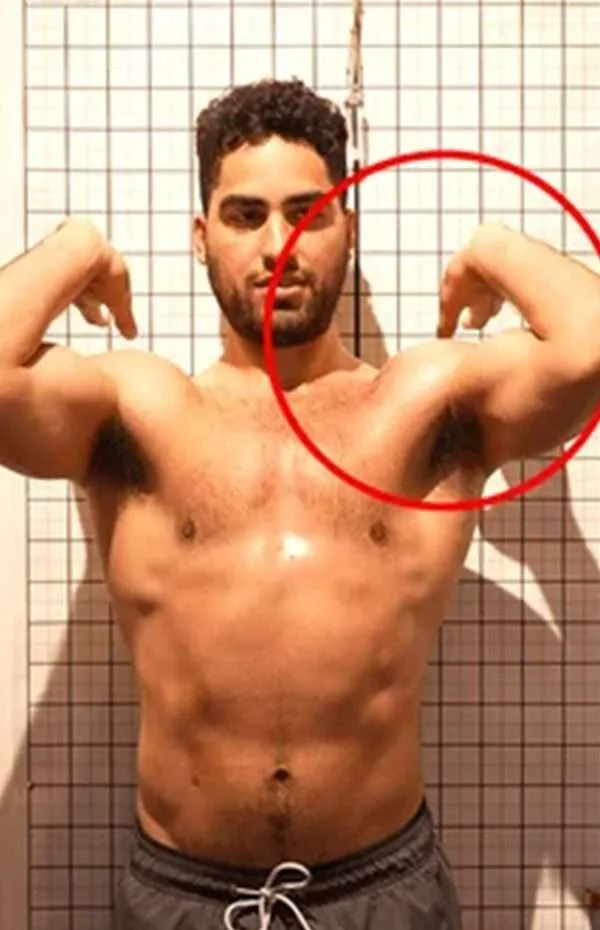 After
Increased Shoulder Range of Motion Increased shoulder range of motion and reduced tension after AMR sessions. -
“Wow !! What a truly beautiful and powerful experience. Jimmy and Maria are so wonderful and have created a great environment for healing.”
 Jamie Pierce-ElwellGoogle review
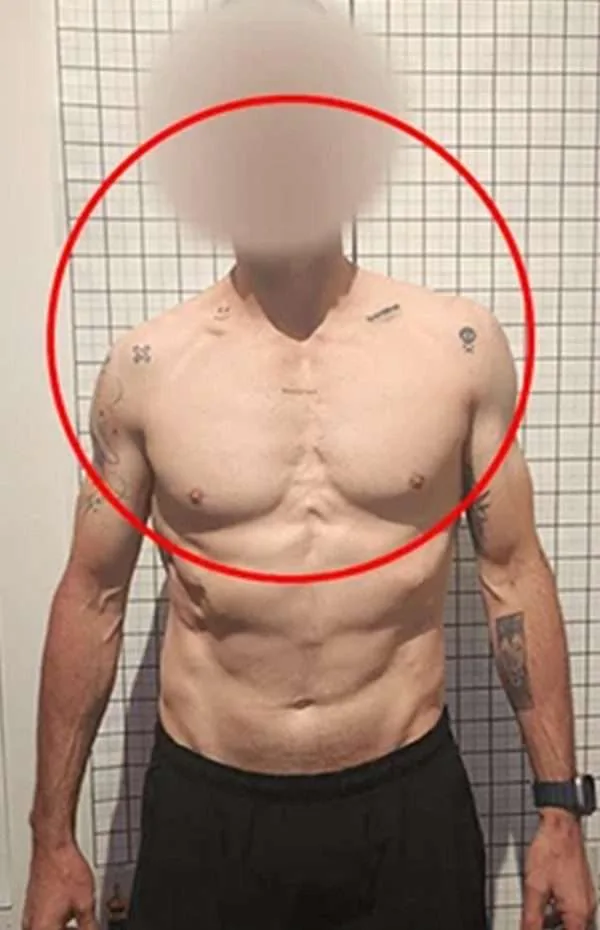 Before
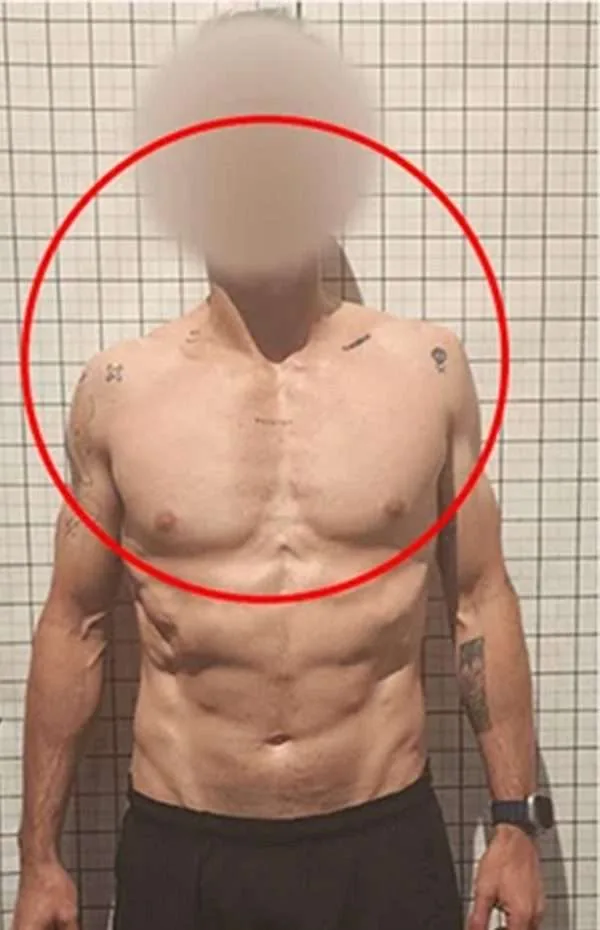 After
Posture Improvement Noticeable postural improvement with less upper-body tension after targeted manual work. -
Everything else was a waste of time… High vibration Good Vibes effective healing
 James MarsGoogle review
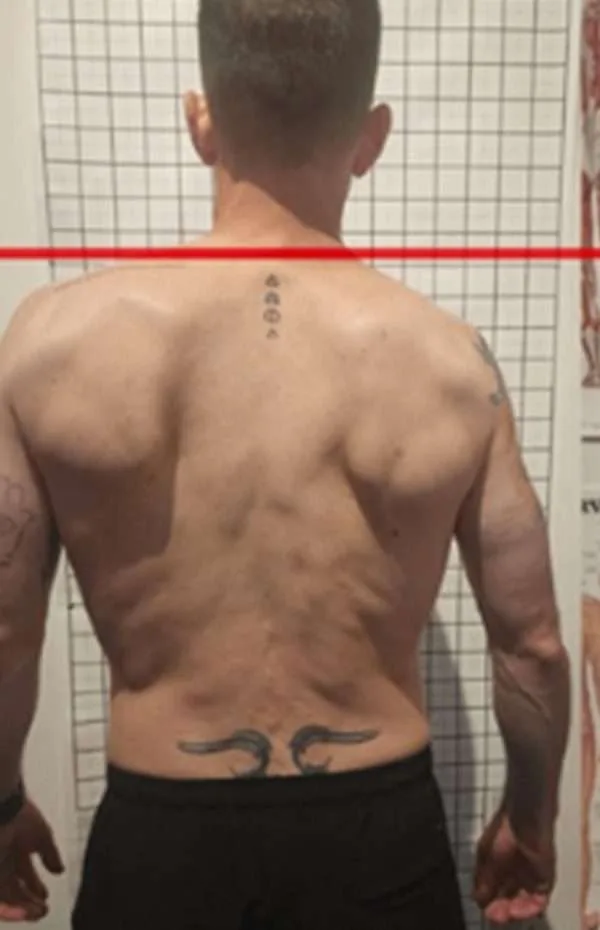 Before
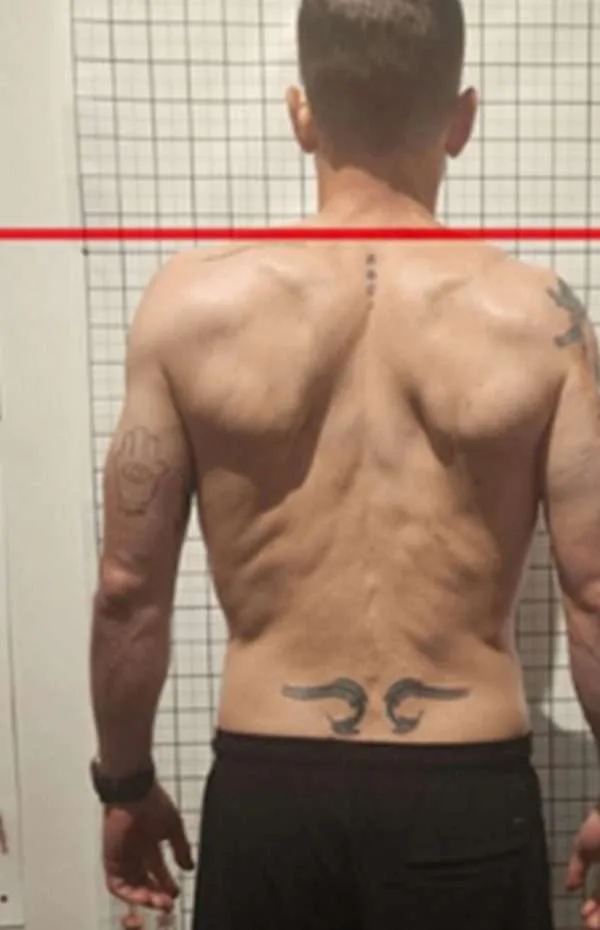 After
Neck & Upper-Back Mobility Improved neck and upper-back mobility following focused myofascial work.
Reviews and photos are shown separately. A review may not be from the client pictured.
Visit Us in Westwood
The Bluff Technique Healing Center



Contact Us
We’d love to hear from you
For more information or to get a free quote, call us at (570) 228-9132 or complete the contact form.
