
Conditions
TMJ and Jaw Pain Relief in Los Angeles — Treating the Whole Fascial Chain
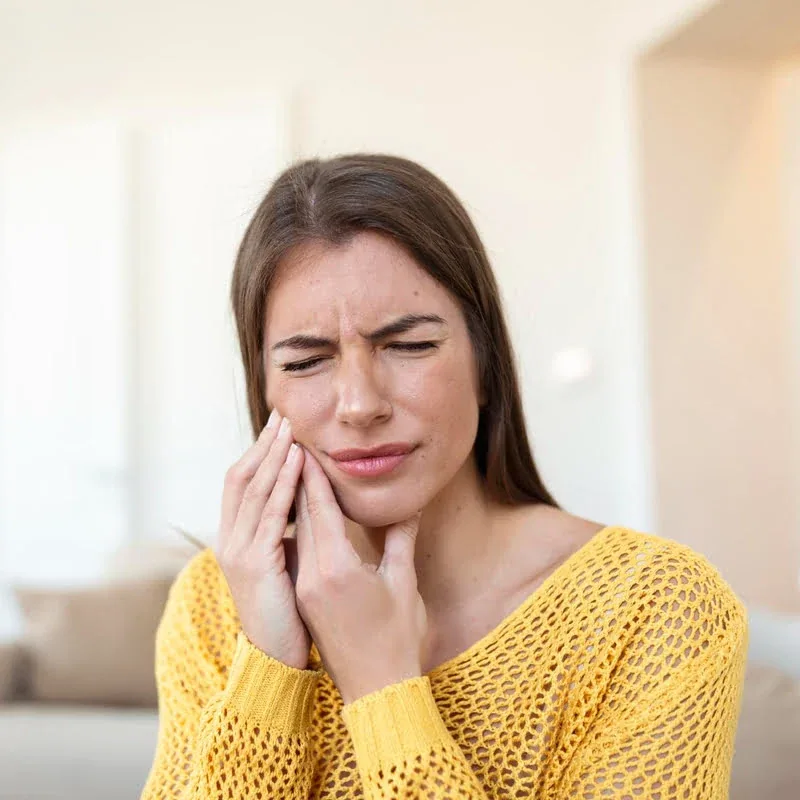
Temporomandibular joint (TMJ) disorder is one of the most frustrating pain conditions to live with — and one of the most mismanaged. The clicking jaw. The aching temples. The morning pain from overnight clenching. The headaches that trace from the jaw to the base of the skull. For millions of Americans, these symptoms become a permanent fixture of daily life, managed with night guards, anti-inflammatories, and periodic Botox injections that address the symptom while leaving the structural driver completely untouched.
The National Institute of Dental and Craniofacial Research estimates that about 5% of U.S. adults have TMJ disorders, describing them as a complex set of conditions involving pain and dysfunction in the jaw joint and muscles controlling jaw movement. What the standard management pathway rarely addresses is the role of the broader craniofacial and cervical fascial system in driving and maintaining TMJ dysfunction.
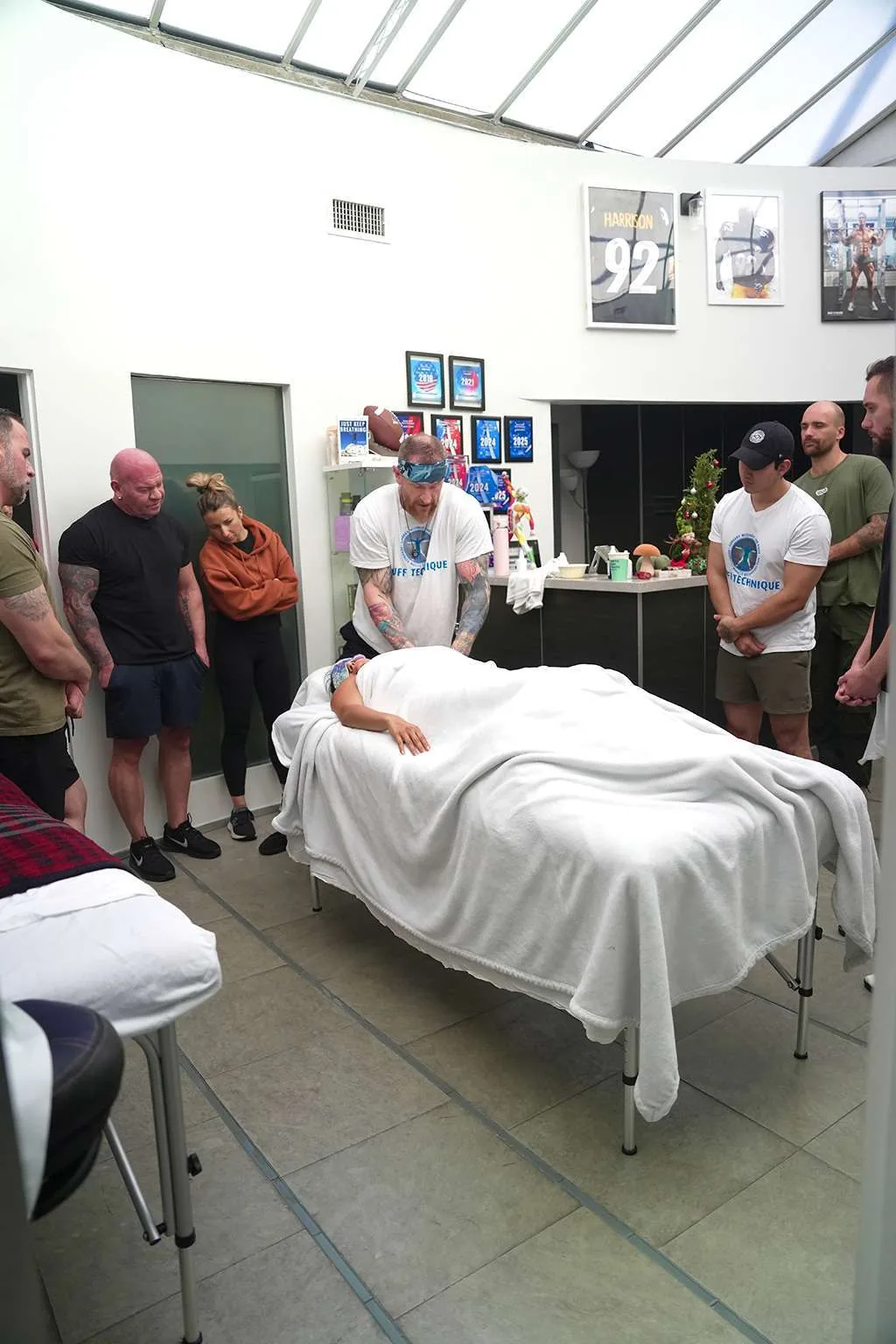
At The Bluff Technique Healing Center in Westwood, Los Angeles, Jimmy Bluff treats TMJ pain through the fascial chain — not just the joint.
Why TMJ Treatment Often Fails
The TMJ is not an isolated joint. It sits within a continuous fascial network connecting the jaw to the temporal bone, the cranium, the cervical spine, the hyoid, and the shoulder girdle. When any part of this fascial chain is restricted — whether from dental work, whiplash, postural collapse, stress-driven clenching, or accumulated cervical restriction — the TMJ pays a price.
This is why night guards provide partial relief at best: they manage the mechanical loading of the joint during sleep but do nothing for the fascial tension driving the clenching in the first place. It is why Botox injections into the masseter reduce pain temporarily but allow the underlying fascial pattern to continue unaddressed. And it is why TMJ patients who address only the jaw frequently see persistent symptoms or rapid recurrence.
The neck and jaw share nerve pathways through the trigeminal system, and many TMJ sufferers also report neck tension and headaches.
Treating TMJ without treating the cervical and cranial fascial system is treating half the problem.
The AMR™ TMJ Protocol
Jimmy's TMJ approach maps the complete craniofacial and cervical fascial chain before treatment begins. The assessment includes jaw range of motion, joint sound assessment, temporal and cranial fascial palpation, cervical range of motion, and a full postural analysis of the cervical-thoracic junction.
Treatment addresses:
- Masseter and temporalis fascial release — the primary jaw-closing muscles and their fascial sheaths are direct drivers of TMJ compressive loading
- Pterygoid fascial release — the medial and lateral pterygoids govern jaw opening, lateral deviation, and protrusion; fascial restriction here is a primary driver of jaw deviation, clicking, and limited opening
- Temporal fascial release — the temporal fascia connects the jaw musculature to the cranial vault and contributes to temporal headache patterns common in TMJ sufferers
- Cranial fascial mobilization — the sphenoid, temporal, and parietal cranial fascial system influences TMJ mechanics through the temporal bone attachment
- Cervical and suboccipital fascial release — addressing the neurologically connected cervical component of TMJ dysfunction through the trigeminal pathway
- Hyoid fascial release — the suprahyoid and infrahyoid fascial chain connects the jaw to the sternum through the anterior neck and contributes to anterior cervical restriction that affects jaw mechanics
Related services: myofascial release therapy, holistic bodywork, fascia release therapy.
Related conditions: migraines and tension headaches, neck pain, fibromyalgia.
Who TMJ Treatment Is For
- Chronic TMJ pain sufferers with clicking, locking, limited opening, or persistent jaw ache
- Clients with headaches centered at the temples, behind the eyes, or at the base of the skull with a jaw-tension component
- Bruxism patients whose night guard provides partial but not complete relief
- Post-dental-surgery or post-orthodontic clients with onset or worsening TMJ symptoms
- Whiplash survivors with TMJ dysfunction as part of their post-accident symptom complex
- Clients with fibromyalgia or widespread pain who have TMJ as a component of their presentation
Jimmy treats TMJ clients from across Los Angeles including Westwood, Beverly Hills, West Hollywood, Brentwood, Santa Monica, Culver City, Pacific Palisades, and Hollywood. National clients can access this care through concierge sessions.
Frequently Asked Questions — TMJ and Jaw Pain
Is TMJ a jaw problem or a whole-body problem?
Both — and that is precisely why treating it in isolation consistently underperforms. The TMJ is embedded in a continuous fascial network connecting the jaw to the cranium, cervical spine, and shoulder girdle. AMR™ addresses this entire chain, which is why it produces outcomes that isolated jaw treatment cannot.
Can AMR™ help if I have been told I need surgery for my TMJ?
Yes. TMJ surgery is rarely the first or best option, and the craniofacial and cervical fascial component of most TMJ presentations is completely addressable through AMR™. Many clients who were told surgery was their only option have achieved lasting resolution through fascial treatment. Jimmy will assess your specific presentation and give you an honest recommendation.
Does treating TMJ through fascial therapy also help with my headaches?
Yes. The jaw-cervical-cranial fascial chain is the same structural pathway driving both TMJ pain and many tension and migraine headaches. Treating the full chain addresses both simultaneously. See our migraines page for more detail on the headache-jaw connection.
How many sessions does TMJ treatment take?
Uncomplicated TMJ presentations often respond significantly within 5–8 sessions. Complex TMJ cases with significant cervical, cranial, or post-surgical components typically require 10–15 sessions. Jimmy will give you a realistic projection at your initial assessment.
Should I still wear my night guard while doing AMR™?
Yes. Your night guard continues to protect the joint from mechanical overloading during sleep while AMR™ addresses the fascial tension driving the clenching. The two interventions are complementary. Many clients find they naturally clench less — and need the guard less — as their fascial restriction resolves.
-
“I have struggled with persistent back pain from long hours of sitting at a computer. And one 2 hour session with Jimmy — I have felt zero pain. It’s been two weeks. Not even a hint of pain since our...
Read More Jacob KreuzGoogle review
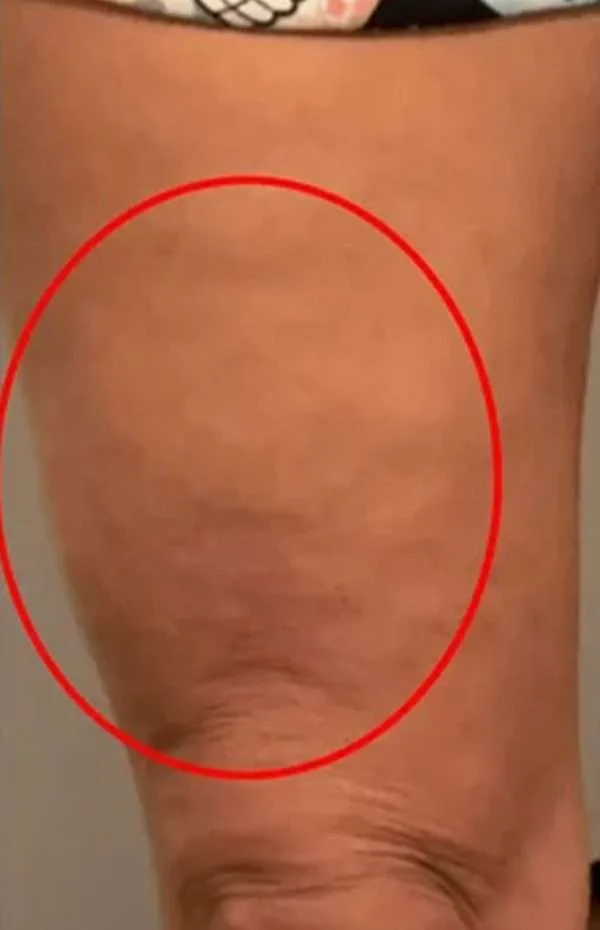 Before
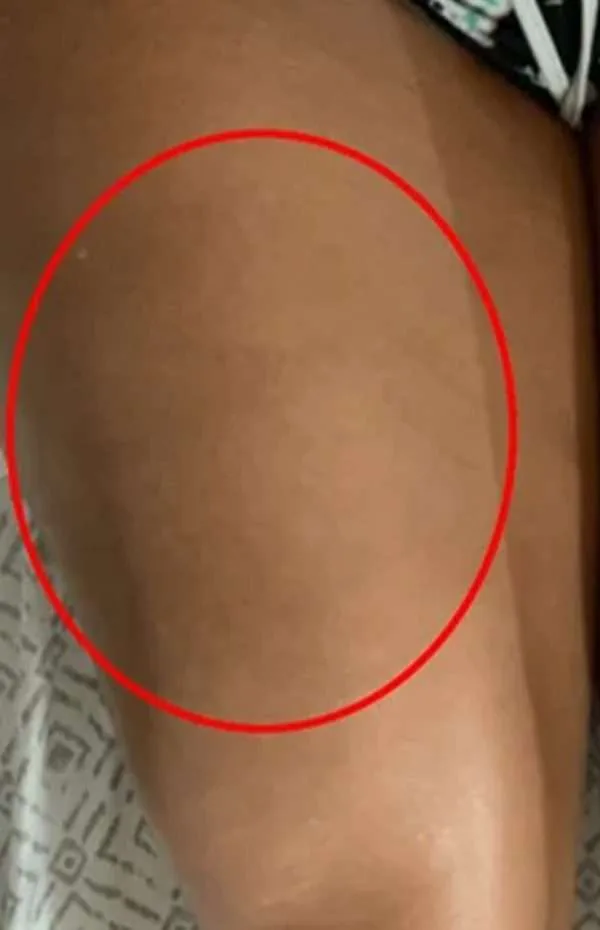 After
Reduced Tissue Congestion Reduced tissue congestion and improved skin tone following targeted Bluff Technique work. -
“Jimmy’s work on chronic back and feet pain was amazing! We traveled from Idaho to see him, as we had heard great things about him and his healing techniques. It was very much worth the trip and plan to see...
Read More Kristen PowellGoogle review
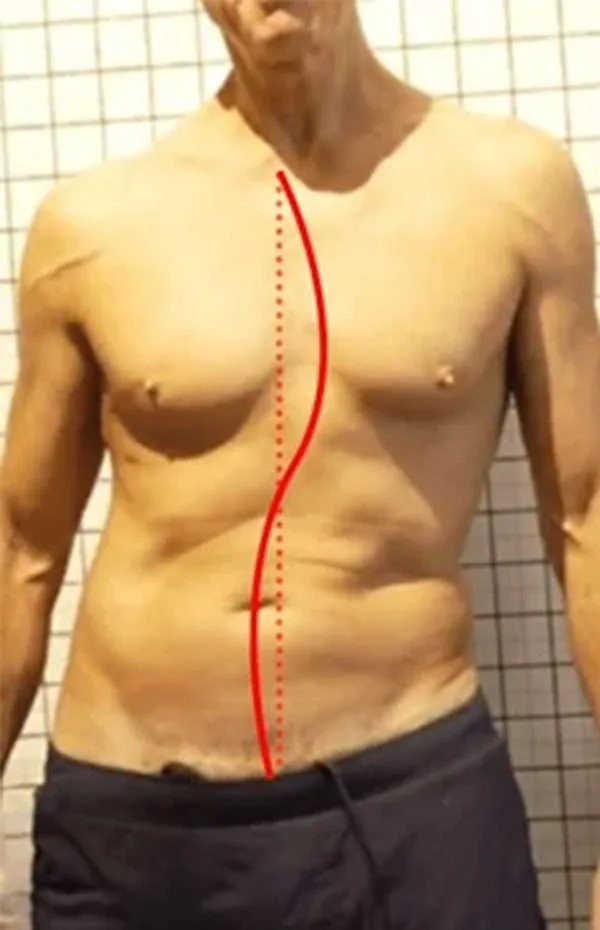 Before
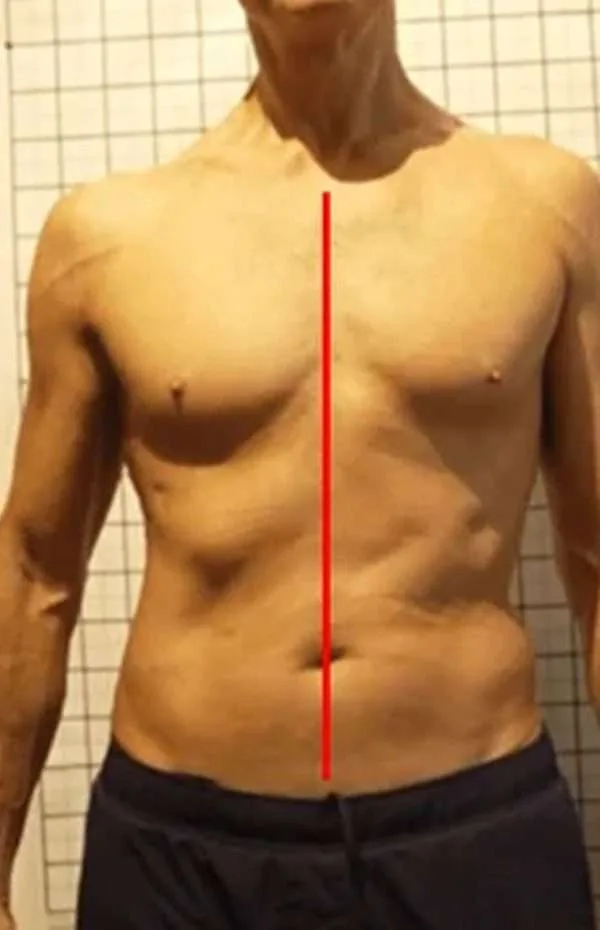 After
Enhanced Muscle Recovery Enhanced muscle recovery and overall movement quality after consistent sessions. -
amazing/magical! I stood up straight for the first time in years!
 Albie SelznickGoogle review
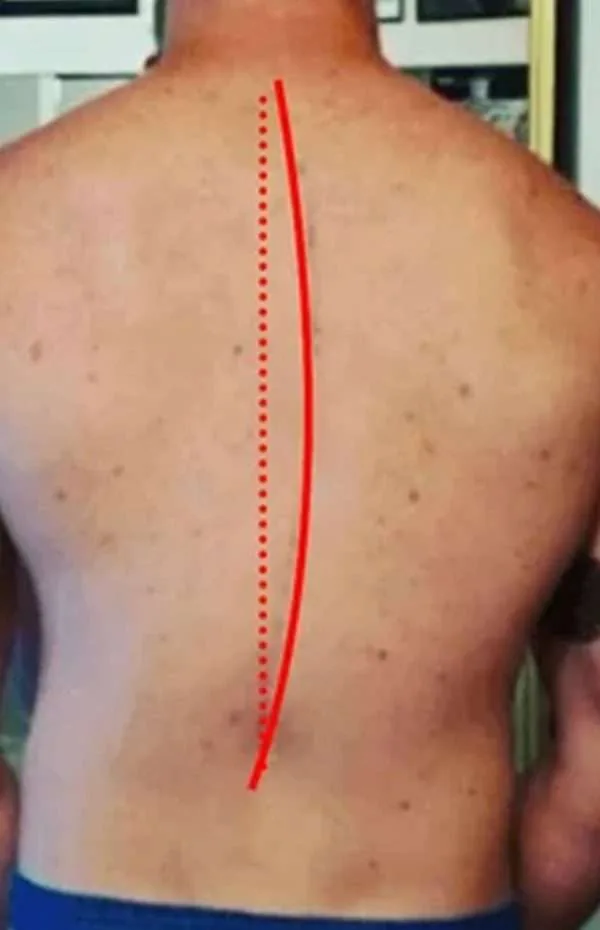 Before
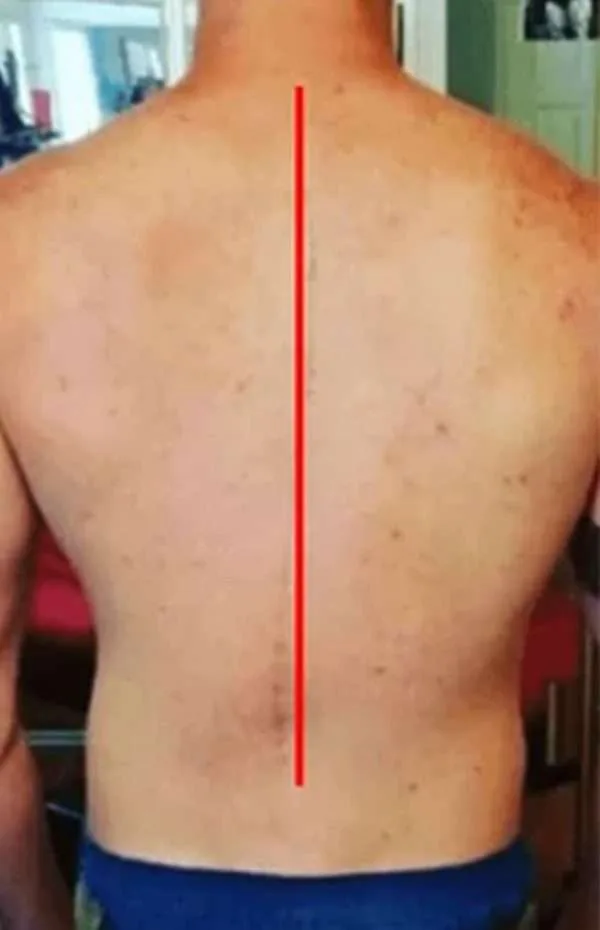 After
Hip Alignment Better hip alignment and smoother lower-body movement through hands-on fascial release. -
“Jimmy is always professional when I go see him for treatment. He takes his time addressing your problem areas and listens to any questions you might have. One of the few places where you go and can see immediate changes...
Read More Oscar GomezGoogle review
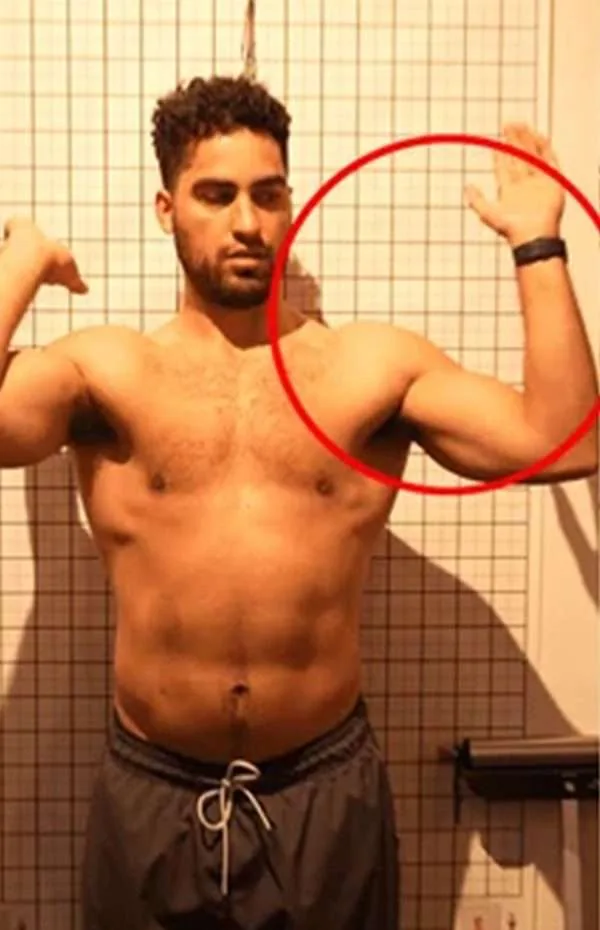 Before
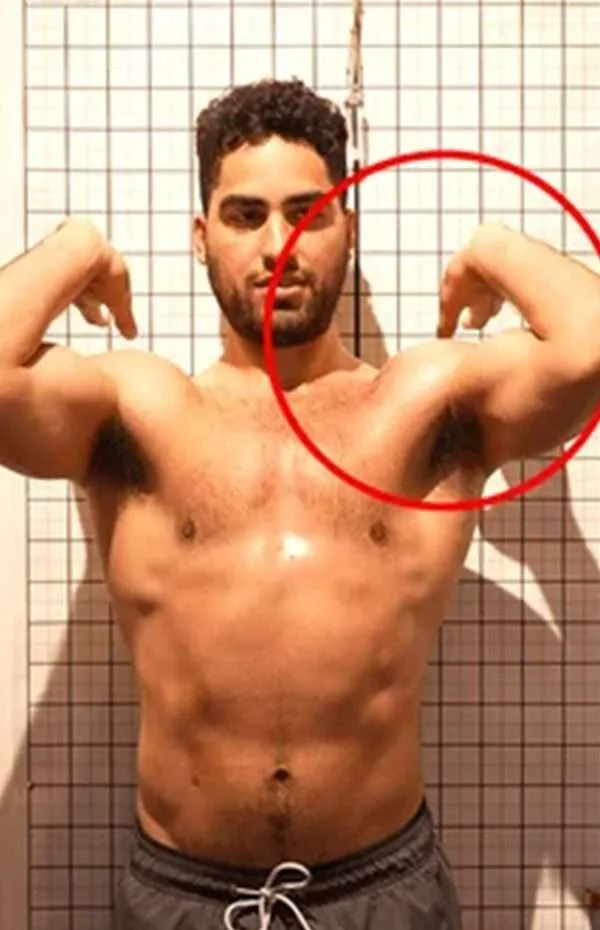 After
Increased Shoulder Range of Motion Increased shoulder range of motion and reduced tension after AMR sessions. -
“Wow !! What a truly beautiful and powerful experience. Jimmy and Maria are so wonderful and have created a great environment for healing.”
 Jamie Pierce-ElwellGoogle review
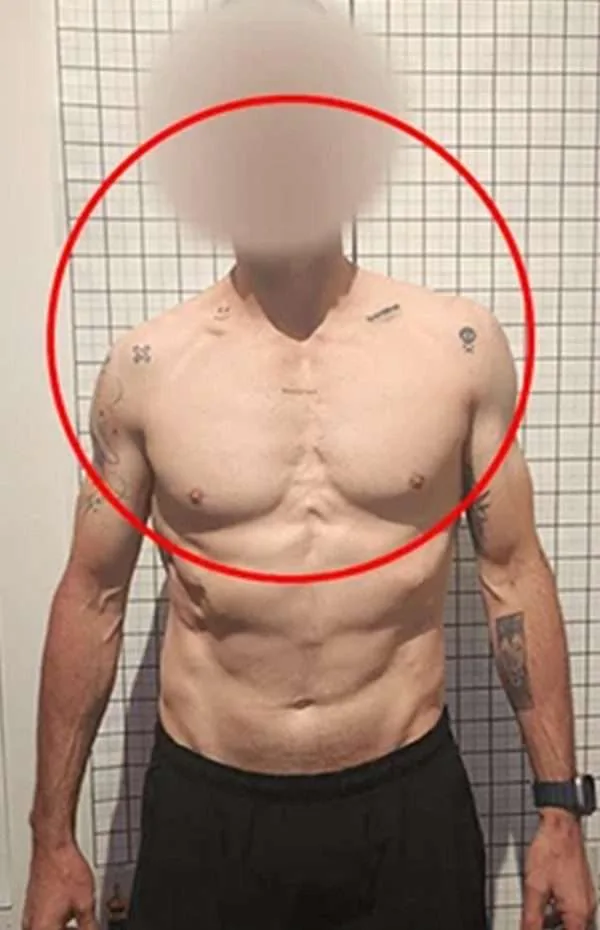 Before
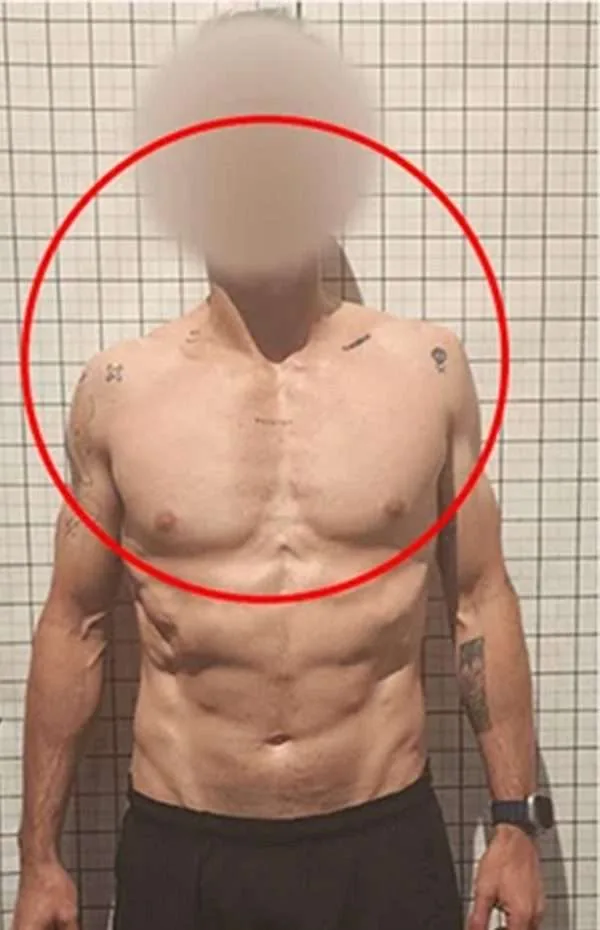 After
Posture Improvement Noticeable postural improvement with less upper-body tension after targeted manual work. -
Everything else was a waste of time… High vibration Good Vibes effective healing
 James MarsGoogle review
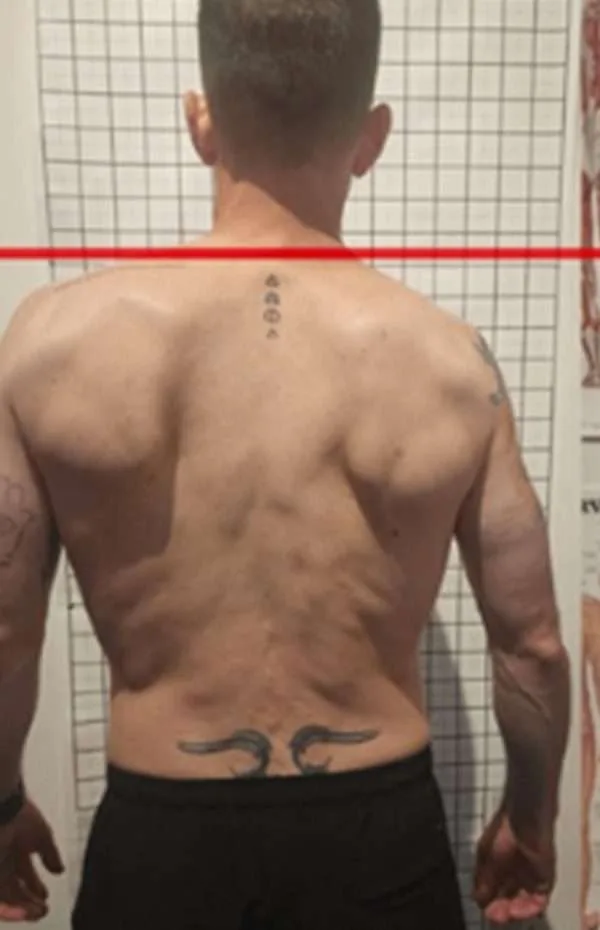 Before
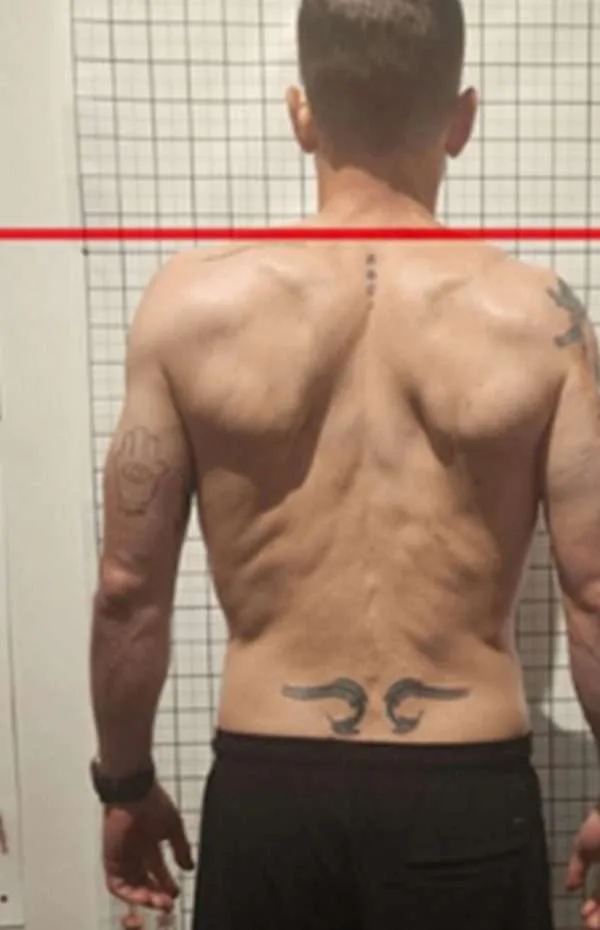 After
Neck & Upper-Back Mobility Improved neck and upper-back mobility following focused myofascial work.
Reviews and photos are shown separately. A review may not be from the client pictured.
Visit Us in Westwood
The Bluff Technique Healing Center



Contact Us
We’d love to hear from you
For more information or to get a free quote, call us at (570) 228-9132 or complete the contact form.
