
Conditions
Plantar Fasciitis — A Whole-Chain Approach to Heel and Arch Pain
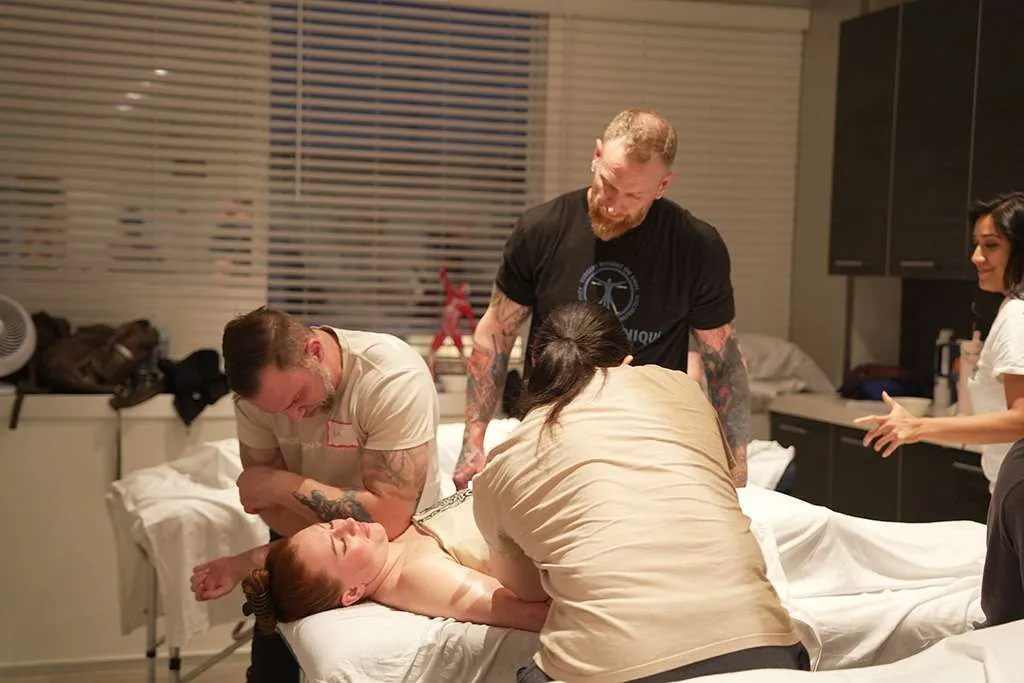
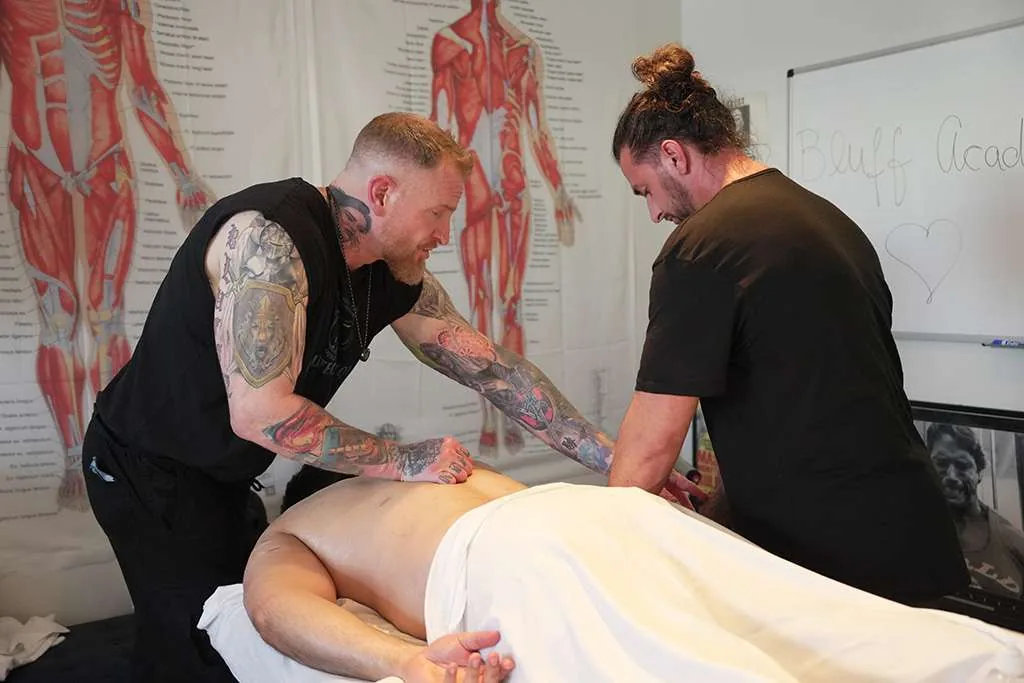
Plantar fasciitis is one of the most common causes of heel pain. It often shows up as a sharp, stabbing pain with your first steps in the morning or when you stand up after sitting. The American Academy of Orthopaedic Surgeons (OrthoInfo) calls it "one of the most common causes of pain on the bottom of the foot at the heel," and says about 2 million patients are treated for it every year. At The Bluff Technique Healing Center in Westwood, we treat plantar fasciitis as a foot problem and also as a problem of the whole chain behind it: the calf, the Achilles tendon and the back of the leg.
What Is the Plantar Fascia?
The plantar fascia is a thick band of connective tissue on the bottom of the foot. MedlinePlus (U.S. National Library of Medicine) explains that it "connects the heel bone to the toes and creates the arch of the foot." When this tissue becomes swollen or inflamed, the condition is called plantar fasciitis. MedlinePlus also explains that the band acts like a rubber band to create tension that maintains the arch.
Every step loads this tissue. Small amounts of damage can build up when the load is more than the tissue can comfortably handle, for example after a sudden jump in running mileage, long shifts on hard floors, or worn-out shoes. The result is pain near the heel that is usually worst in the morning and after rest, not during activity.
Common Symptoms
According to AAOS OrthoInfo, the most common symptoms include:
- Pain on the bottom of the foot near the heel
- Pain with the first few steps after getting out of bed, or after a long rest such as a long car ride
- More pain after exercise than during it
See a physician if you have numbness, tingling, swelling, pain after a fall, or heel pain that doesn't follow this pattern. Stress fractures, nerve entrapment and Achilles problems can feel similar.
The Posterior Chain Connection: Calf, Achilles and Hamstrings
Plantar fasciitis rarely starts and stops at the heel. Medical sources consistently list tight calves and Achilles tendons as risk factors. AAOS OrthoInfo names "tight calf muscles" as a risk factor and notes that "plantar fasciitis is aggravated by tight muscles in your feet and calves." MedlinePlus lists "a tight Achilles tendon (the tendon connecting the calf muscles to the heel)" as a risk factor, along with running long distances, downhill or on uneven surfaces.
Anatomy helps explain why. The Achilles tendon and the plantar fascia both attach to the heel bone (calcaneus), and researchers have studied how closely the two are linked. A 2021 cadaveric study published in Scientific Reports and archived in PubMed Central found a close structural relationship but could not confirm that the fibers run continuously from one to the other. The authors note that a direct link is still "an area of debate."
Our view is practical. Whether the fibers connect directly or the two pull on each other through the heel bone, tension in the calf and Achilles plausibly changes the load on the plantar fascia. Tension higher up the back of the leg may also play a part. Some clinical reviews list tightness in the hamstrings, calf muscles (gastrocnemius and soleus) and Achilles tendon as functional risk factors. That is why a Bluff Technique session for plantar fasciitis rarely focuses on the foot alone.
Who Gets Plantar Fasciitis in Los Angeles
AAOS OrthoInfo notes that heel pain is often seen in athletes from overuse and in people who stand for long periods, and that plantar fasciitis is most common between ages 40 and 60. Our Los Angeles clients fit those patterns:
- Beach-path runners: LA County Beaches & Harbors describes the Marvin Braude Bike Trail as a 22-mile paved path from Will Rogers State Beach to Torrance Beach. Runners from Santa Monica, Venice and the Palisades log long, repetitive miles on it, often in worn shoes. See our Santa Monica and Pacific Palisades pages.
- Rose Bowl loop runners and walkers: The City of Pasadena describes the Rose Bowl Loop as 3.10 miles around the stadium and Brookside Golf Club. Many people run it several times a week, which means a lot of repeated impact on pavement. See Pasadena.
- Brentwood San Vicente runners: The grassy, coral-tree-lined median of San Vicente Boulevard is a favorite running route in Brentwood. Mileage often climbs quickly before race season.
- Standing professionals: AAOS specifically names healthcare workers, factory workers and teachers. In Los Angeles we also see chefs, retail staff, film crew, and surgeons and nurses from nearby medical centers. All of them spend long hours on hard floors.
How The Bluff Technique™ / AMR™ Approaches Plantar Fasciitis
Our protocol is designed to work alongside the care your physician, podiatrist or physical therapist recommends, not to replace it.
- Assessment: We look at foot posture, ankle dorsiflexion (how far your shin can move forward over your foot), calf and hamstring tension, pelvic alignment and gait. AAOS notes that physicians also check for limited ankle dorsiflexion during the exam.
- Plantar fascia and foot: Sustained, no-force engagement on the sole of the foot and the tissue around the heel, adjusted for comfort so a sensitive area isn't irritated.
- Calf and Achilles: Layer-by-layer work through the gastrocnemius, the soleus and the tissue around the Achilles.
- Hamstrings, hips and beyond: Whole-body sequencing up the back of the leg, because restrictions higher up can change how load reaches the foot.
- Self-care guidance: Simple suggestions that go with the calf and plantar fascia stretches medical sources recommend, plus sensible mileage management for runners.
What the evidence says: Research on myofascial release for heel pain is limited. A 2018 systematic review indexed in PubMed included one randomized trial on heel pain (65 participants). The authors concluded that the overall evidence for myofascial release in chronic musculoskeletal pain was "not sufficient to warrant this treatment." Research is ongoing: ClinicalTrials.gov lists a registered trial comparing 15- and 30-minute myofascial release sessions for plantar fasciitis. Many of our clients report less morning pain and easier movement, but we don't promise outcomes and never claim to cure plantar fasciitis.
The outlook with conservative care is good. According to AAOS OrthoInfo, "more than 90% of patients with plantar fasciitis will improve within 10 months of starting simple treatment methods." Myofascial work may make that process more comfortable.
Related Services and Conditions
- Myofascial Release Therapy
- Sports Recovery Bodywork
- Fascia Release Therapy
- Posture Realignment
- Chronic Pain Relief
- Related conditions: Back Pain, Sciatica
- Browse all conditions and services
Frequently Asked Questions — Plantar Fasciitis
Can myofascial release help plantar fasciitis?
It may help some people, especially by easing tension in the calf, Achilles and back of the leg as well as the foot. Research is still limited, and a 2018 systematic review found the overall evidence for myofascial release in chronic musculoskeletal pain insufficient. Many clients report less morning pain. The work is best used alongside care from your physician or physical therapist.
Why does plantar fasciitis hurt most in the morning?
AAOS OrthoInfo explains that most people sleep with their feet pointed down, which relaxes the plantar fascia. When you stand up, the tissue suddenly takes your weight, and the first few steps can hurt. The pain usually eases after a few minutes of walking.
Are tight calves linked to plantar fasciitis?
Yes. AAOS OrthoInfo and MedlinePlus both list tight calf muscles or a tight Achilles tendon as risk factors. That is why The Bluff Technique™ protocol works through the calf, Achilles and hamstrings, not just the heel.
Do heel spurs cause plantar fasciitis pain?
No. According to AAOS OrthoInfo, many people with plantar fasciitis have heel spurs, but the spurs don't cause the pain, and most people with heel spurs have no heel pain. Plantar fasciitis can be treated without removing the spur.
How long does plantar fasciitis take to get better?
AAOS OrthoInfo reports that more than 90% of patients improve within 10 months of starting simple treatments such as stretching, rest, supportive shoes and ice. Recovery times vary. See a physician if the pain lasts, gets worse, or comes with numbness or swelling.
-
“I have struggled with persistent back pain from long hours of sitting at a computer. And one 2 hour session with Jimmy — I have felt zero pain. It’s been two weeks. Not even a hint of pain since our...
Read More Jacob KreuzGoogle review
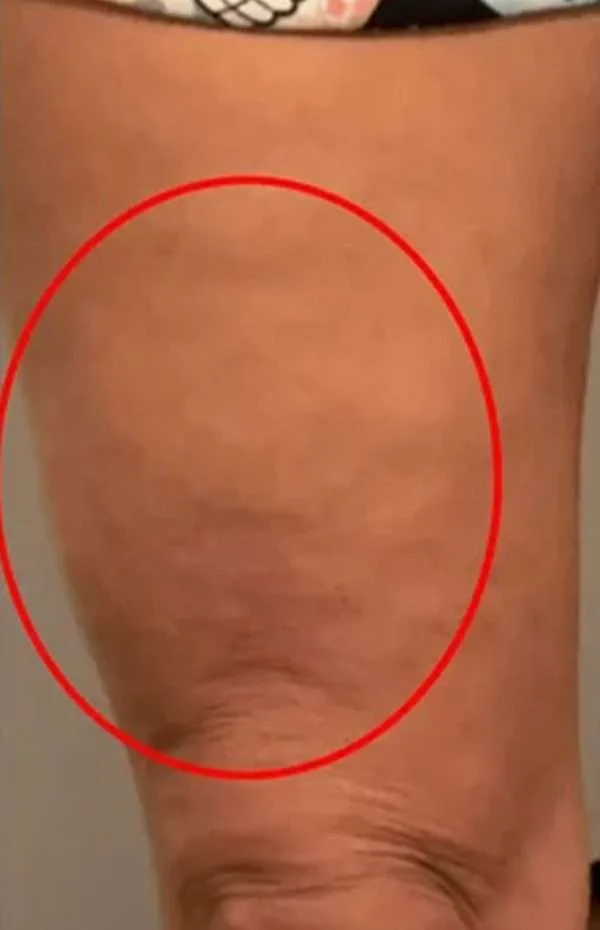 Before
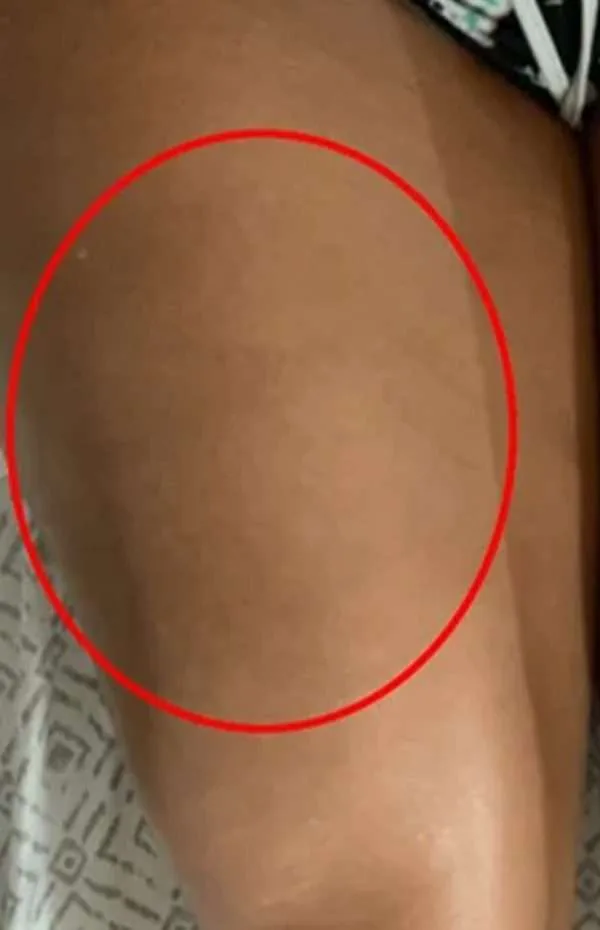 After
Reduced Tissue Congestion Reduced tissue congestion and improved skin tone following targeted Bluff Technique work. -
“Jimmy’s work on chronic back and feet pain was amazing! We traveled from Idaho to see him, as we had heard great things about him and his healing techniques. It was very much worth the trip and plan to see...
Read More Kristen PowellGoogle review
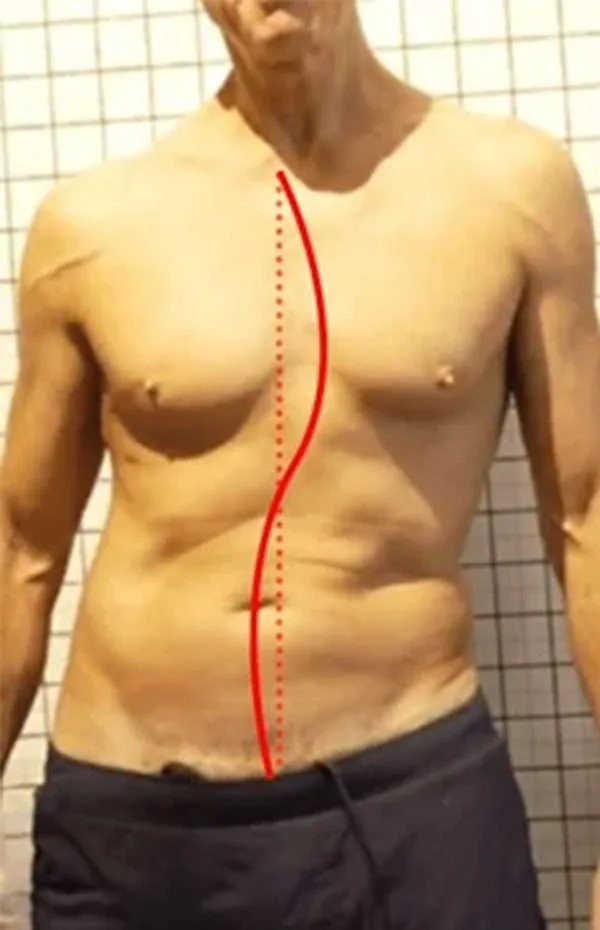 Before
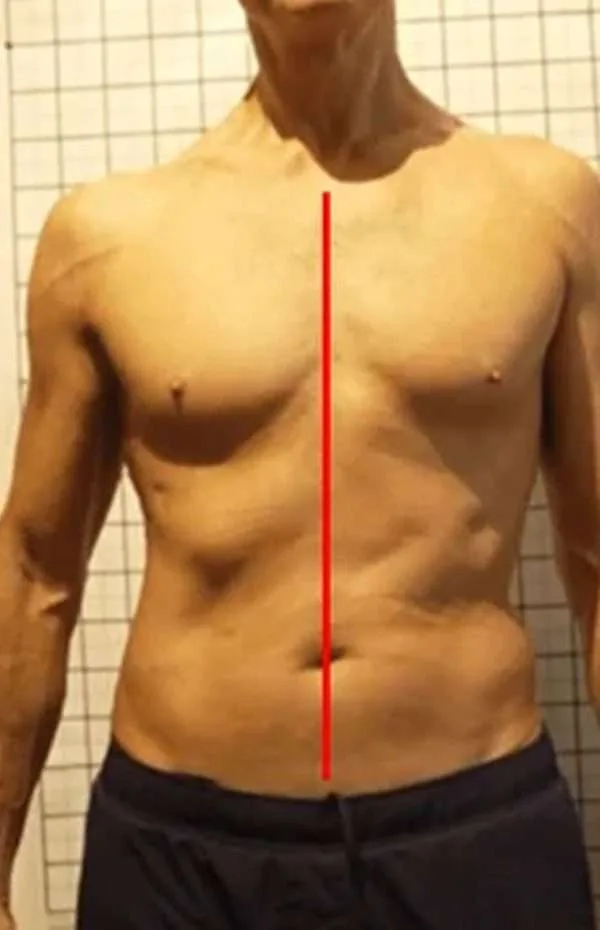 After
Enhanced Muscle Recovery Enhanced muscle recovery and overall movement quality after consistent sessions. -
amazing/magical! I stood up straight for the first time in years!
 Albie SelznickGoogle review
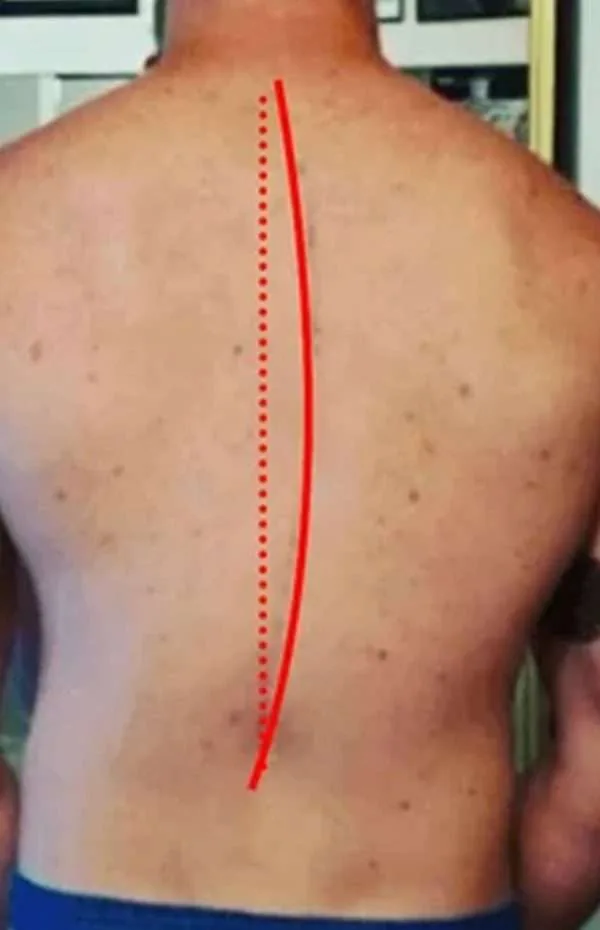 Before
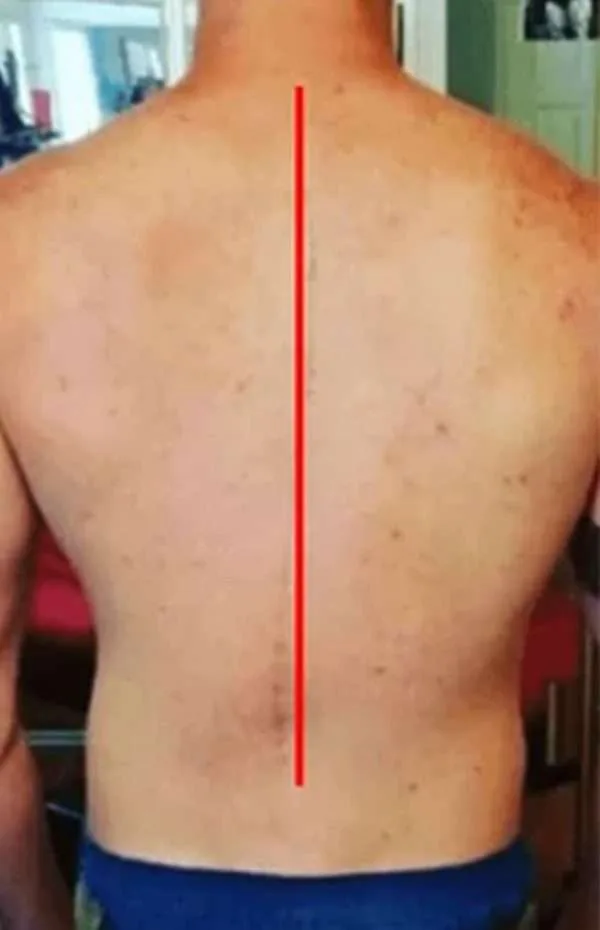 After
Hip Alignment Better hip alignment and smoother lower-body movement through hands-on fascial release. -
“Jimmy is always professional when I go see him for treatment. He takes his time addressing your problem areas and listens to any questions you might have. One of the few places where you go and can see immediate changes...
Read More Oscar GomezGoogle review
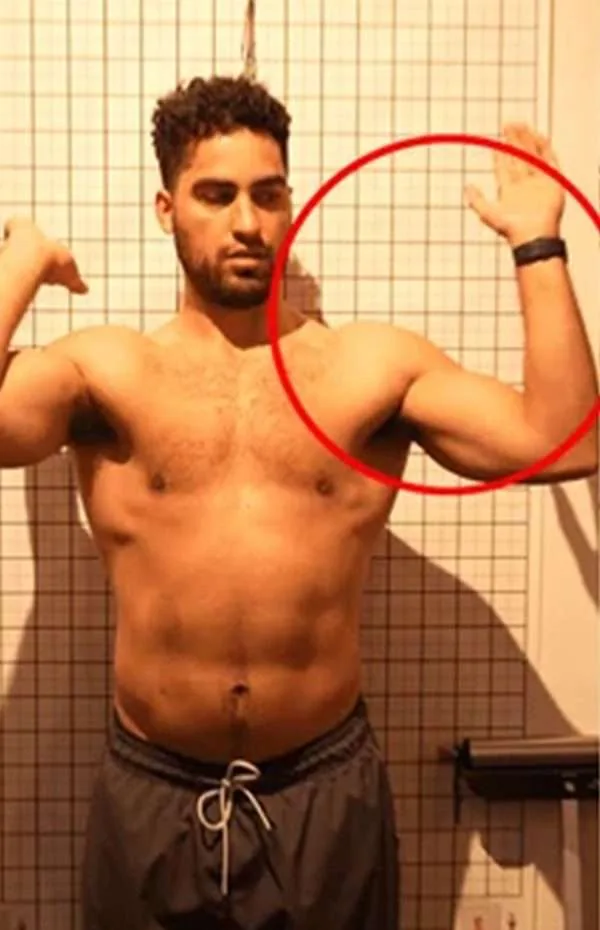 Before
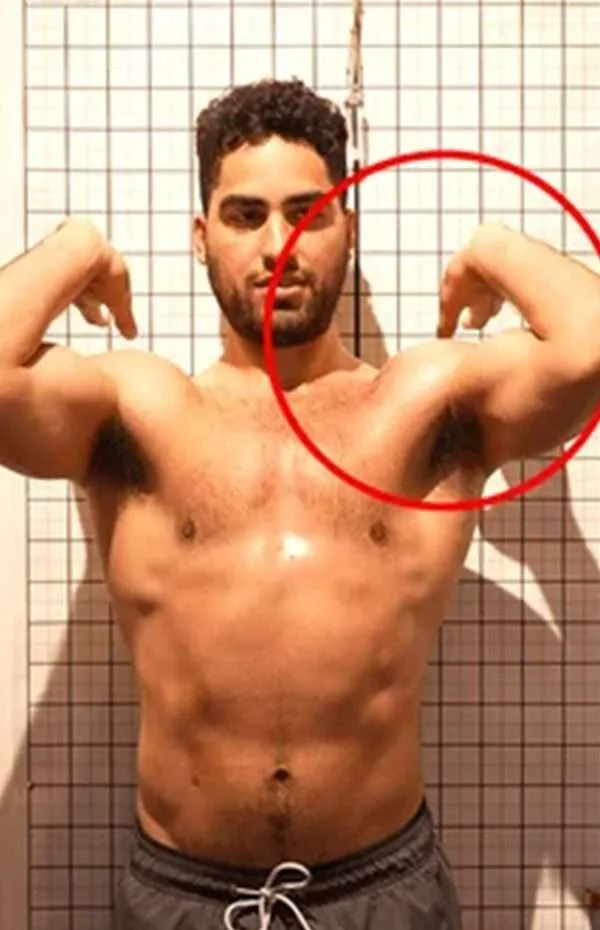 After
Increased Shoulder Range of Motion Increased shoulder range of motion and reduced tension after AMR sessions. -
“Wow !! What a truly beautiful and powerful experience. Jimmy and Maria are so wonderful and have created a great environment for healing.”
 Jamie Pierce-ElwellGoogle review
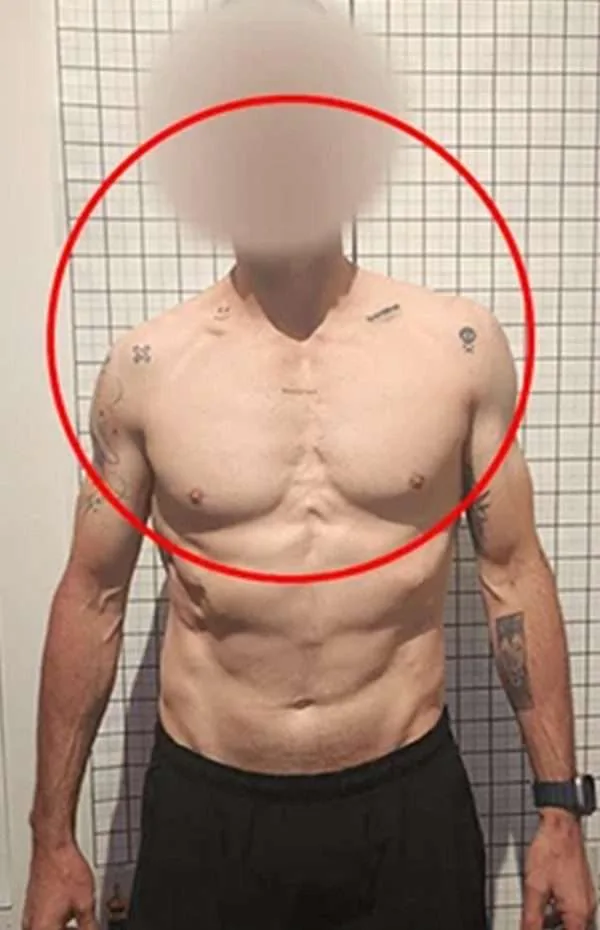 Before
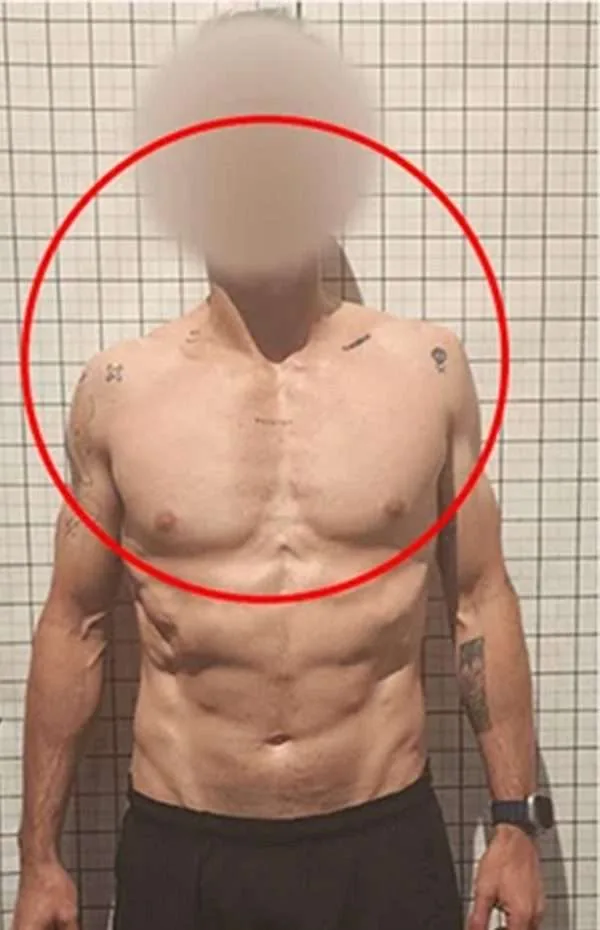 After
Posture Improvement Noticeable postural improvement with less upper-body tension after targeted manual work. -
Everything else was a waste of time… High vibration Good Vibes effective healing
 James MarsGoogle review
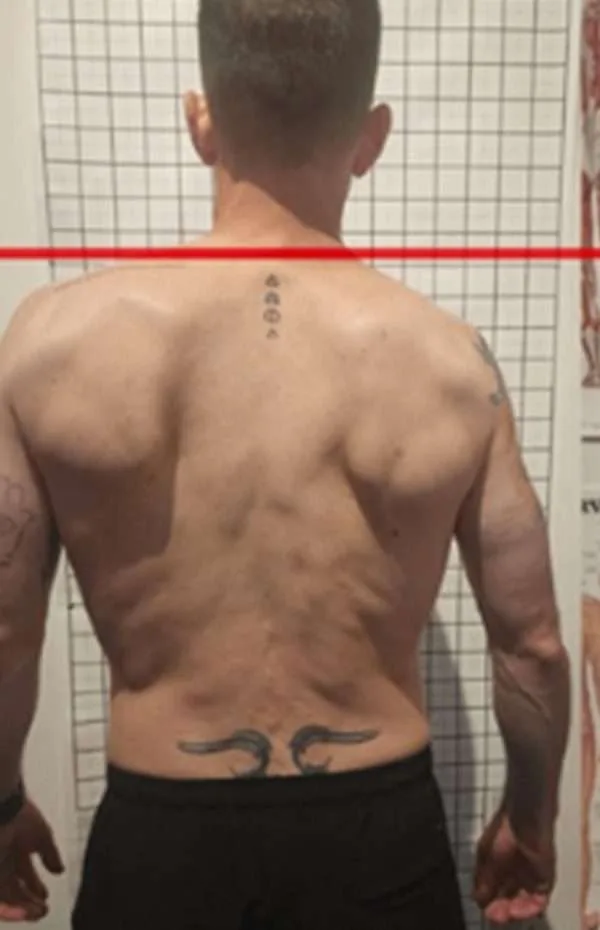 Before
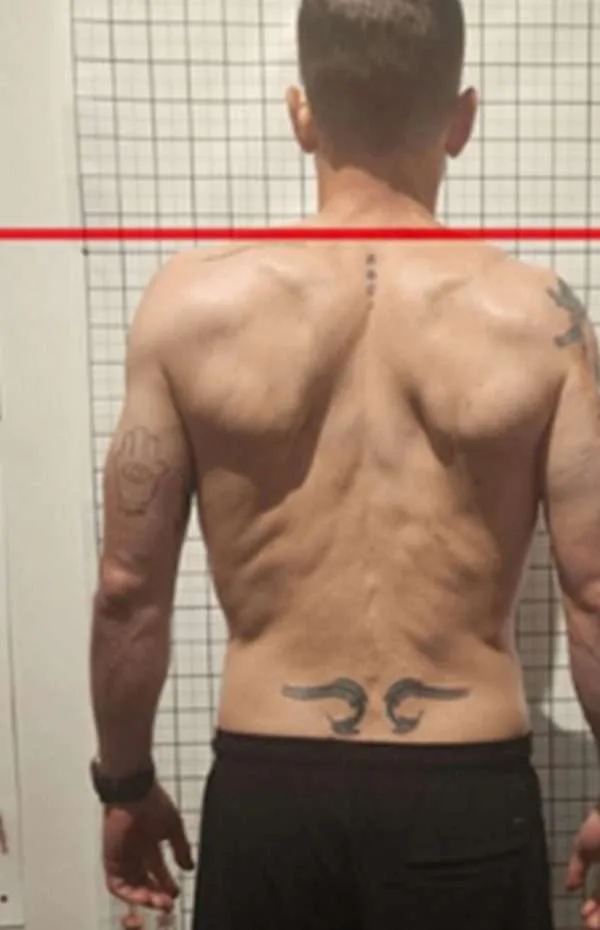 After
Neck & Upper-Back Mobility Improved neck and upper-back mobility following focused myofascial work.
Reviews and photos are shown separately. A review may not be from the client pictured.
Visit Us in Westwood
The Bluff Technique Healing Center



Contact Us
We’d love to hear from you
For more information or to get a free quote, call us at (570) 228-9132 or complete the contact form.
