
Conditions
Neck Pain Relief in Los Angeles — Treating Cervical Fascial Restriction at the Source
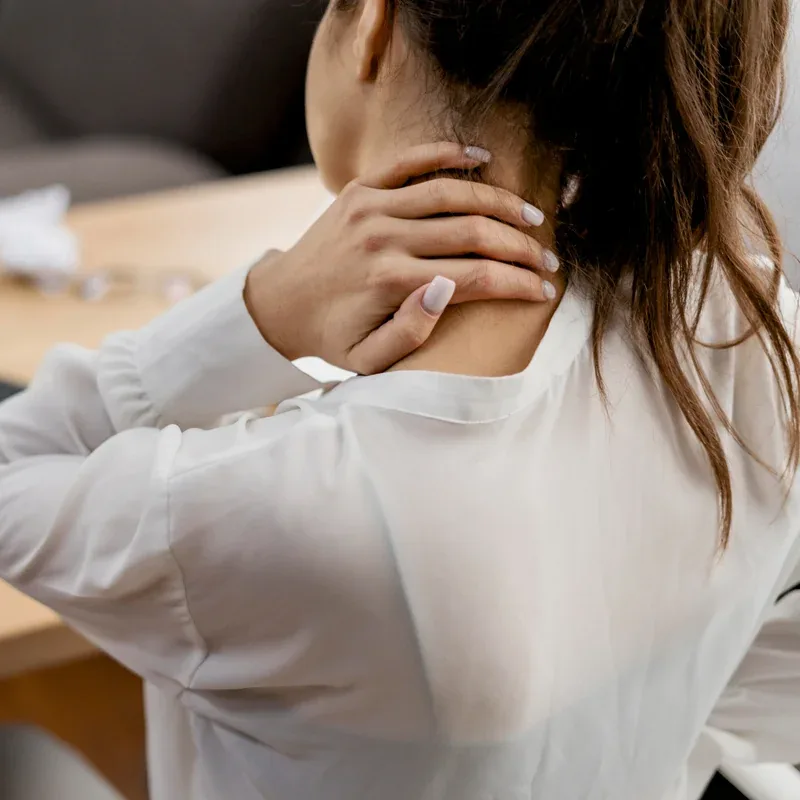
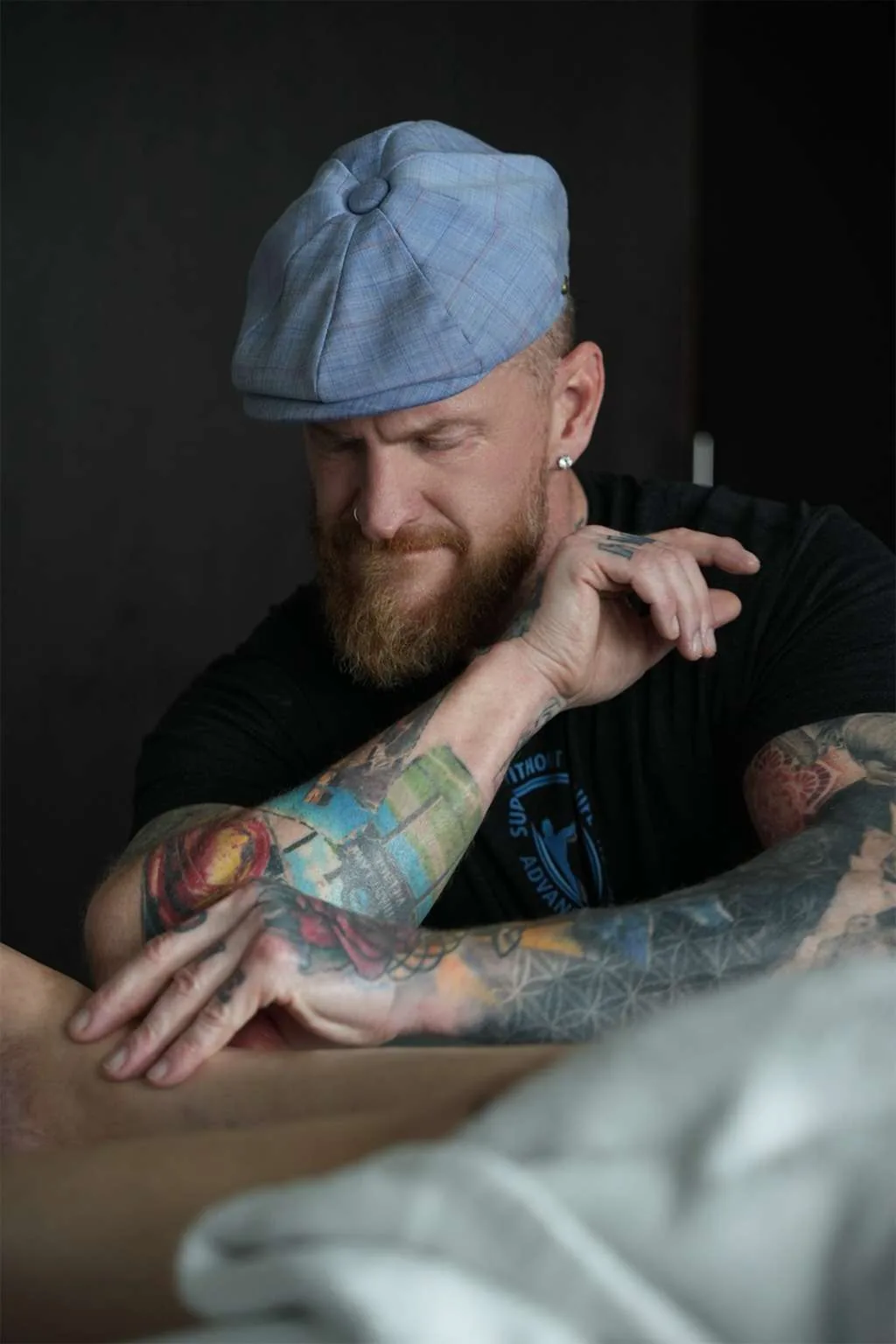
Neck pain has reached epidemic proportions in Los Angeles — and across the country. The World Health Organization estimates that neck pain affects about 222 million people worldwide. In a city where entertainment, tech, and media professionals spend the majority of their waking hours in anterior-loaded postures — on screens, on sets, in post-production suites — the prevalence is even higher.
Standard treatment — stretching, massage, chiropractic adjustment, anti-inflammatory medication — provides temporary relief for most neck pain patients. For the patients whose pain is chronic, severe, or accompanied by headaches, radiating arm symptoms, or limited range of motion, temporary is not enough.
At The Bluff Technique Healing Center in Westwood, Los Angeles, Jimmy Bluff treats the fascial root of neck pain — the dense cervical and suboccipital connective tissue restrictions that no amount of stretching, cracking, or medication changes structurally.
Why Neck Pain Becomes Chronic
Acute neck pain — a muscle pull, a minor strain, a stiff morning — typically resolves within days to weeks with basic care. Chronic neck pain is a different condition entirely. It is a structural problem, and the structure driving it is fascia.
The cervical fascia is a complex, multi-layered system of connective tissue enveloping the muscles, vertebrae, vessels, and nerves of the neck. The cervical fascia links the skull above to the ribcage and shoulder girdle below, and the National Library of Medicine's StatPearls reference describes how fascia transmits tension from one region to the next.
When any layer of this system becomes restricted — through whiplash trauma, cumulative postural loading, surgical scarring, or inflammatory cycling — the restriction transmits tension throughout the connected fascial network. The result: chronic local neck pain, cervicogenic headaches, referred arm pain, restricted rotation, and the constant sense of holding and tightness that characterizes true cervical fascial restriction.
Common drivers in the Los Angeles population:
- Screen posture and tech neck — the anterior head translation and cervical flexion posture of sustained screen use imposes chronic loading on the posterior cervical fascia and suboccipital structures
- Whiplash and prior motor vehicle accidents — the most consistently undertreated driver of chronic neck pain; the sudden acceleration-deceleration of whiplash deposits fascial restriction throughout the cervical and thoracic chain that persists indefinitely without direct fascial treatment
- Occupational demands — entertainment industry professionals, musicians, surgeons, and dental professionals whose work demands sustained asymmetric or static cervical postures
- Prior cervical surgery — anterior cervical discectomy and fusion (ACDF), cervical laminectomy, and related procedures create fascial scarring that significantly restricts adjacent-level mechanics
The AMR™ Neck Pain Protocol
Jimmy's cervical fascial protocol begins with a full structural assessment: cervical range of motion in all planes, postural analysis of the cervical-thoracic junction and shoulder girdle, and a detailed intake covering trauma history, occupational demands, and symptom pattern.
Treatment addresses the full cervical fascial chain:
- Suboccipital fascial release — the attachment zone between the cranium and upper cervical spine is among the most consistently restricted areas in chronic neck pain and cervicogenic headache presentations
- Posterior cervical fascial layers — from the occiput to the cervicothoracic junction, addressing the multifidus, semispinalis, and splenius fascial compartments
- Anterior cervical fascial release — the anterior scalene, SCM, and prevertebral fascial layers that are frequently restricted in whiplash and tech-neck presentations
- Cervicothoracic junction — the transition zone between the cervical and thoracic spine is a primary fascial restriction site that most cervical treatment misses entirely
- Shoulder girdle and thoracic fascial integration — the cervical and thoracic fascial systems are continuous; lasting cervical resolution requires addressing the broader thoracic context
Related services: myofascial release therapy, fascia release therapy, posture realignment, holistic bodywork.
Related conditions: migraines and tension headaches, TMJ pain, back pain, frozen shoulder.
Who This Is For
Neck pain treatment at The Bluff Technique is designed for:
- Chronic neck pain sufferers — particularly those with 3+ months of persistent pain through prior treatment
- Whiplash and motor vehicle accident survivors with incomplete recovery
- Entertainment, tech, and media professionals in Hollywood, West Hollywood, Beverly Hills, and Culver City with screen-posture-driven cervical restriction
- Post-cervical-surgery clients with adjacent-level pain or restricted recovery
- Athletes — particularly swimmers, cyclists, and strength athletes — with occupational cervical loading patterns
- Anyone whose neck pain is accompanied by headaches, radiating arm symptoms, or significantly restricted rotation
Jimmy serves neck pain clients from Westwood, Santa Monica, Brentwood, Beverly Hills, West Hollywood, Pacific Palisades, Culver City, and Hollywood, with national availability through concierge sessions.
Frequently Asked Questions — Neck Pain
How is AMR™ different from chiropractic for neck pain?
Chiropractic addresses joint mechanics — restoring movement at restricted vertebral segments. AMR™ addresses the fascial connective tissue that surrounds those segments — releasing the soft tissue restriction that pulls joints back out of alignment after adjustment. The two approaches are highly complementary; many clients find that AMR™ makes their chiropractic results last significantly longer.
Can AMR™ help with neck pain from an old whiplash injury?
Yes. Whiplash-related fascial restriction is one of the most common and most treatable presentations at The Bluff Technique. Restrictions from whiplash can persist for years or decades without direct fascial treatment — and respond very well to AMR™ regardless of how old the injury is.
My neck pain causes headaches — can this treat both?
Yes. Cervicogenic headache — headache driven by cervical and suboccipital fascial restriction — is a primary indication for AMR™ cervical fascial treatment. See our dedicated migraines and tension headaches page.
Is neck fascial treatment safe?
Yes. AMR™ uses no-force, sustained-engagement techniques. No manipulation, no high-velocity thrust, and no aggressive pressure are used in the cervical region. The approach is specifically designed to be safe for even the most sensitive cervical presentations.
How quickly does neck pain respond to AMR™?
Most clients notice improved range of motion and reduced pain within the first 1–2 sessions. Full resolution of chronic cervical fascial restriction typically requires 8–12 sessions depending on the duration and complexity of the presentation.
-
“I have struggled with persistent back pain from long hours of sitting at a computer. And one 2 hour session with Jimmy — I have felt zero pain. It’s been two weeks. Not even a hint of pain since our...
Read More Jacob KreuzGoogle review
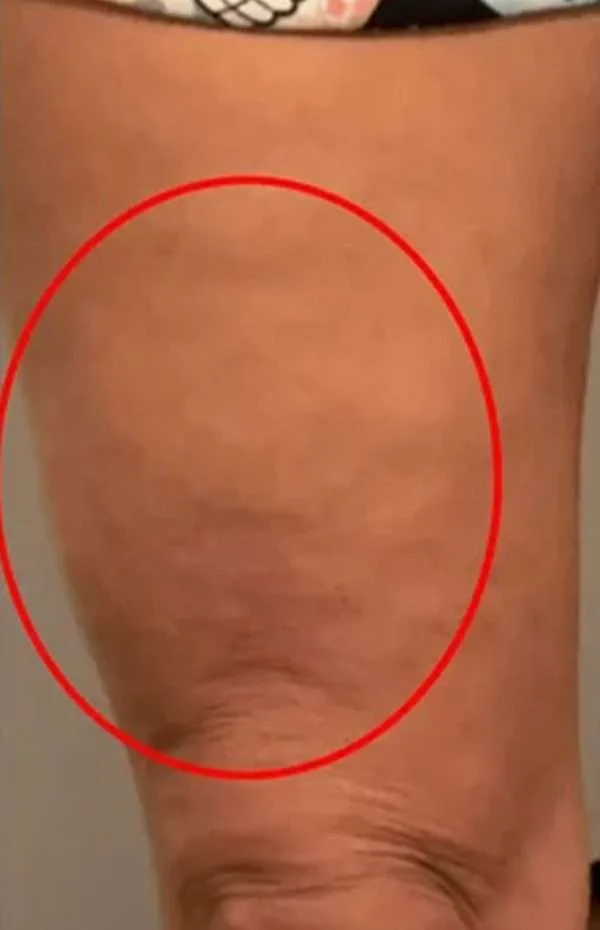 Before
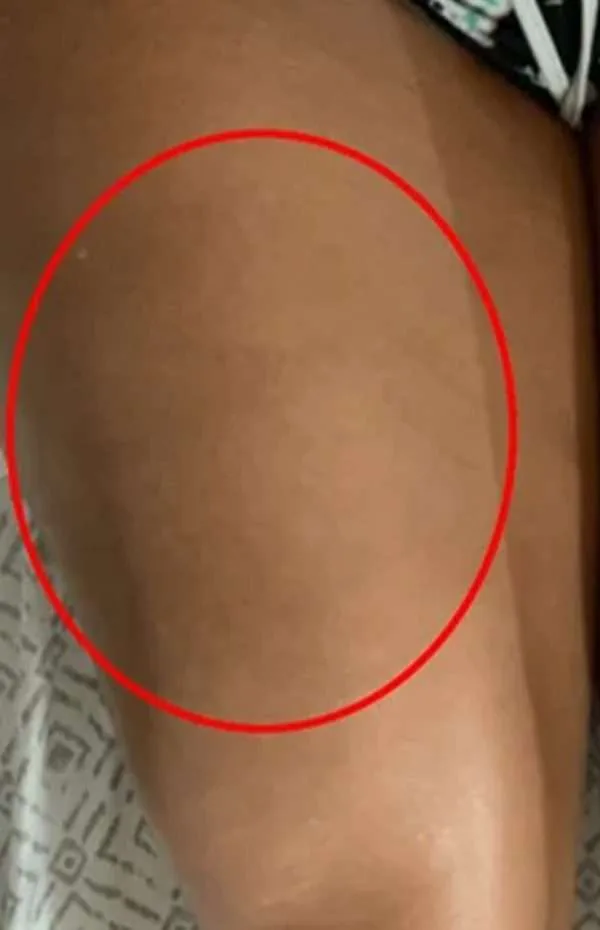 After
Reduced Tissue Congestion Reduced tissue congestion and improved skin tone following targeted Bluff Technique work. -
“Jimmy’s work on chronic back and feet pain was amazing! We traveled from Idaho to see him, as we had heard great things about him and his healing techniques. It was very much worth the trip and plan to see...
Read More Kristen PowellGoogle review
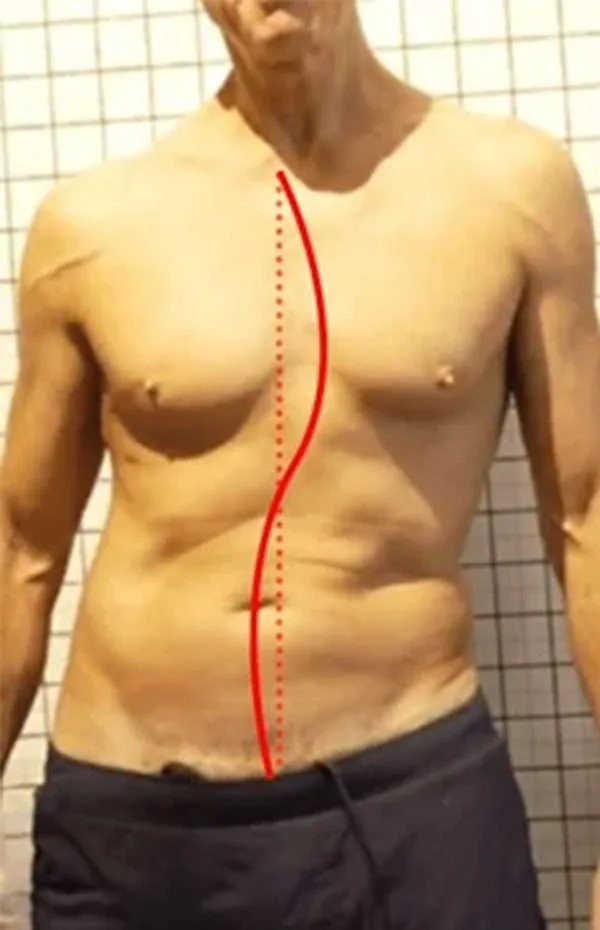 Before
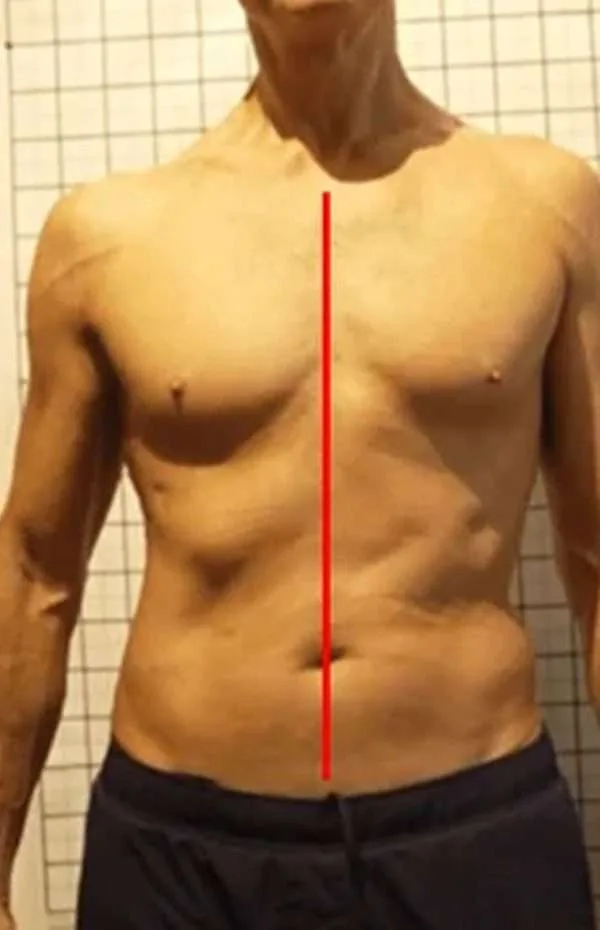 After
Enhanced Muscle Recovery Enhanced muscle recovery and overall movement quality after consistent sessions. -
amazing/magical! I stood up straight for the first time in years!
 Albie SelznickGoogle review
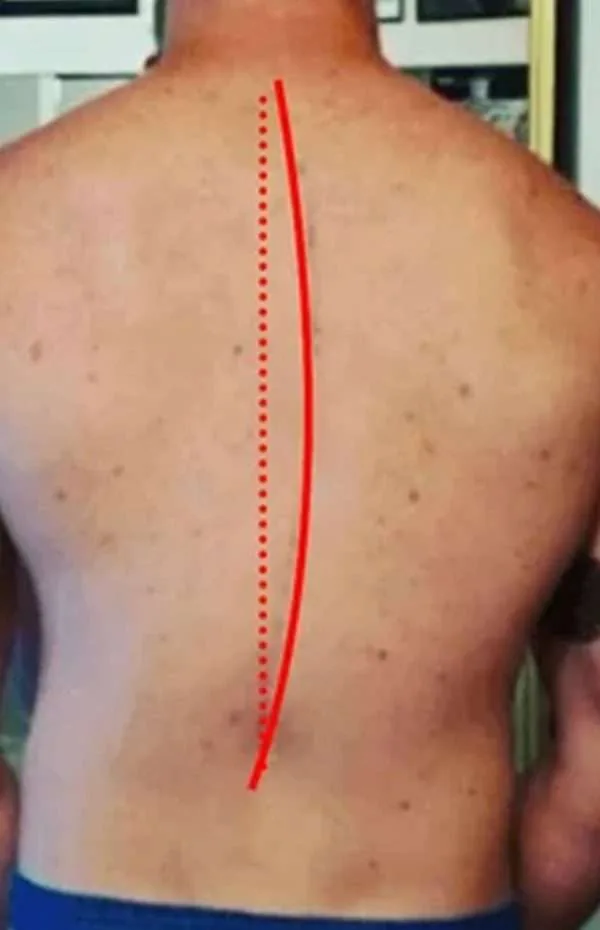 Before
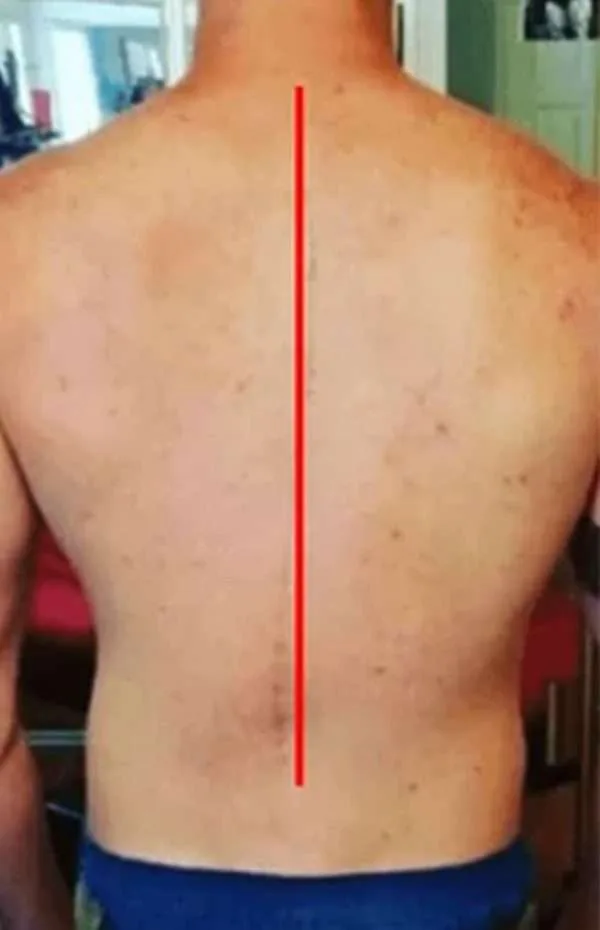 After
Hip Alignment Better hip alignment and smoother lower-body movement through hands-on fascial release. -
“Jimmy is always professional when I go see him for treatment. He takes his time addressing your problem areas and listens to any questions you might have. One of the few places where you go and can see immediate changes...
Read More Oscar GomezGoogle review
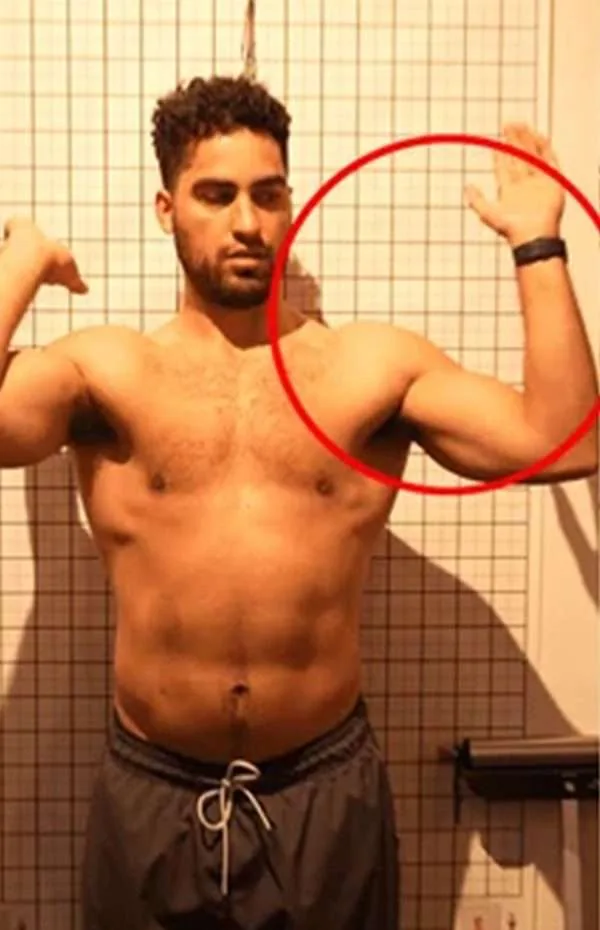 Before
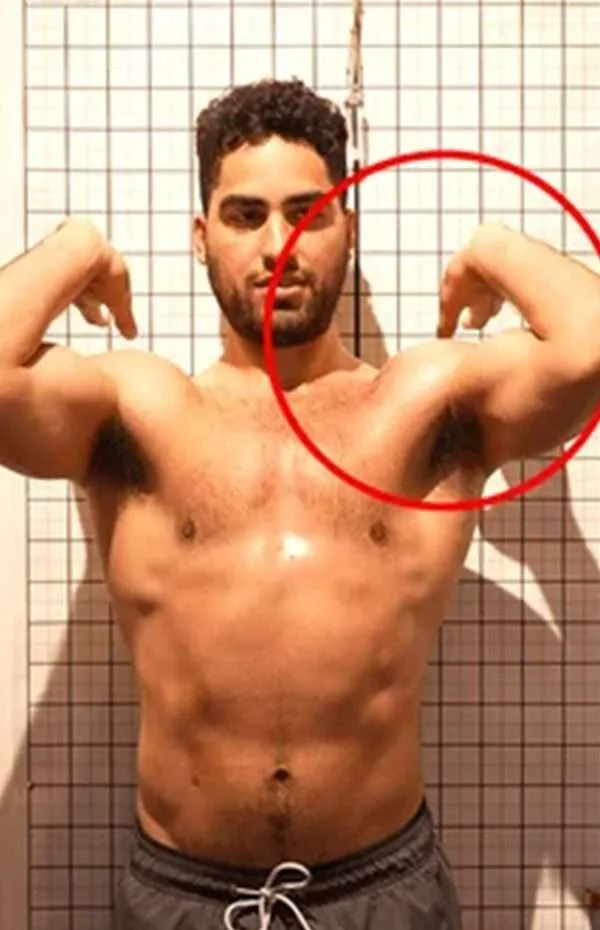 After
Increased Shoulder Range of Motion Increased shoulder range of motion and reduced tension after AMR sessions. -
“Wow !! What a truly beautiful and powerful experience. Jimmy and Maria are so wonderful and have created a great environment for healing.”
 Jamie Pierce-ElwellGoogle review
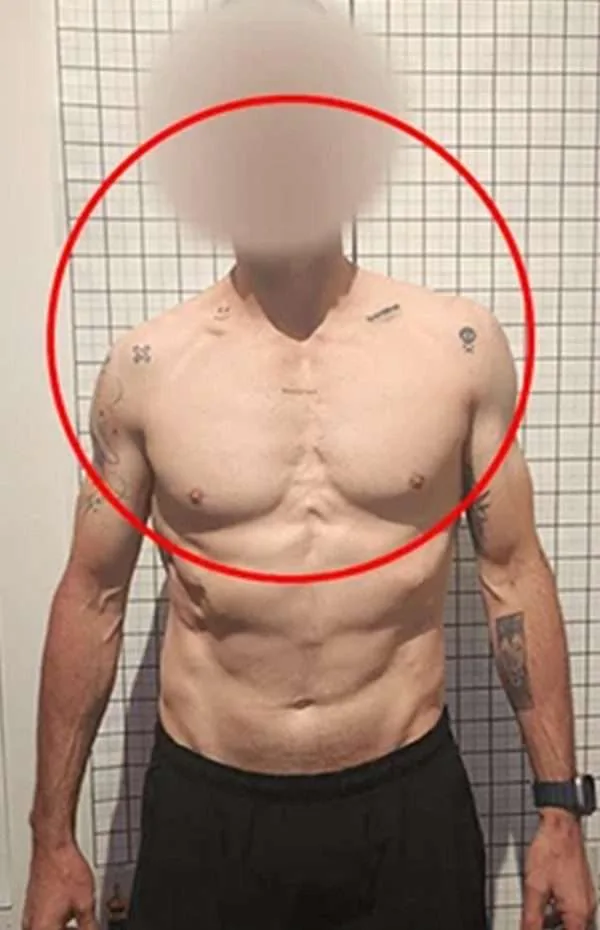 Before
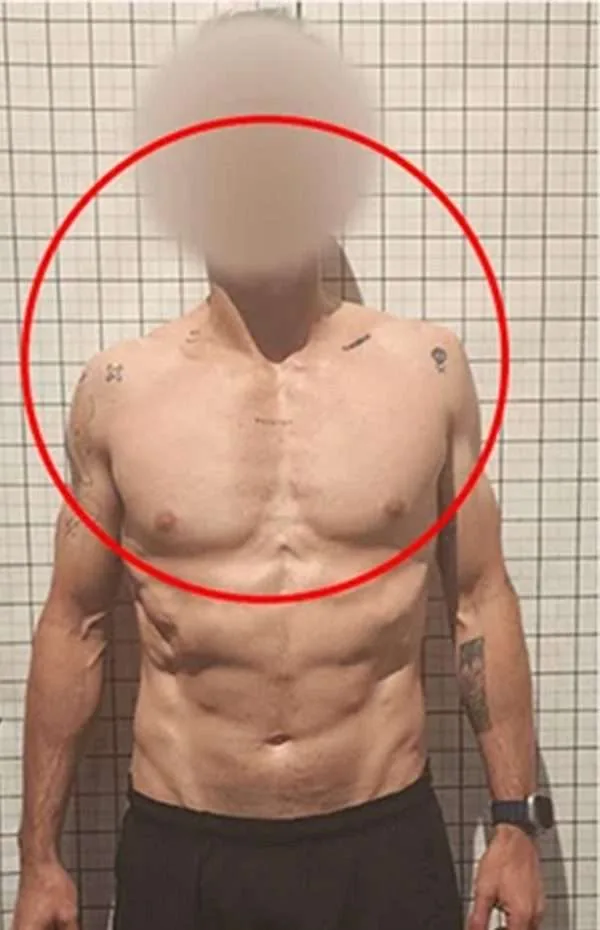 After
Posture Improvement Noticeable postural improvement with less upper-body tension after targeted manual work. -
Everything else was a waste of time… High vibration Good Vibes effective healing
 James MarsGoogle review
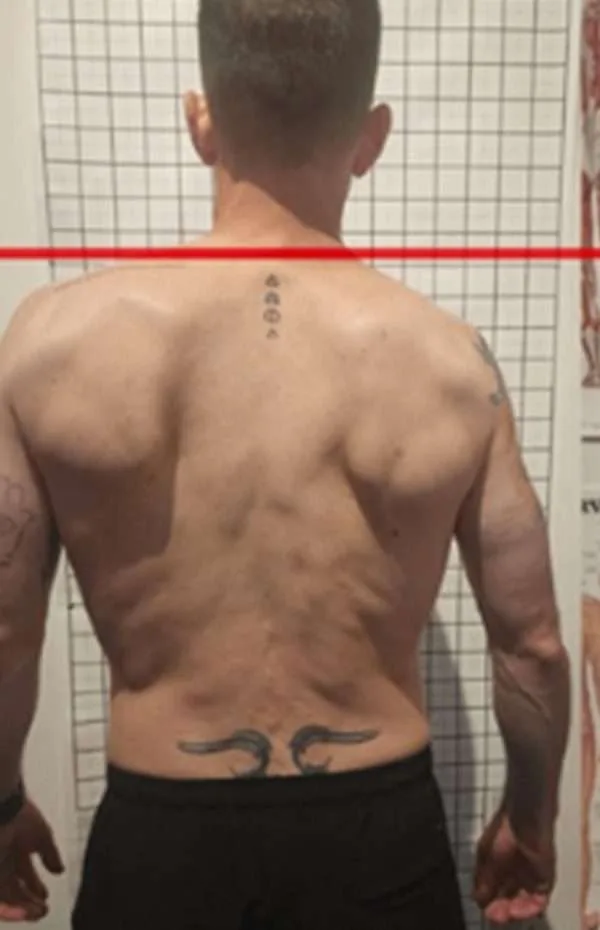 Before
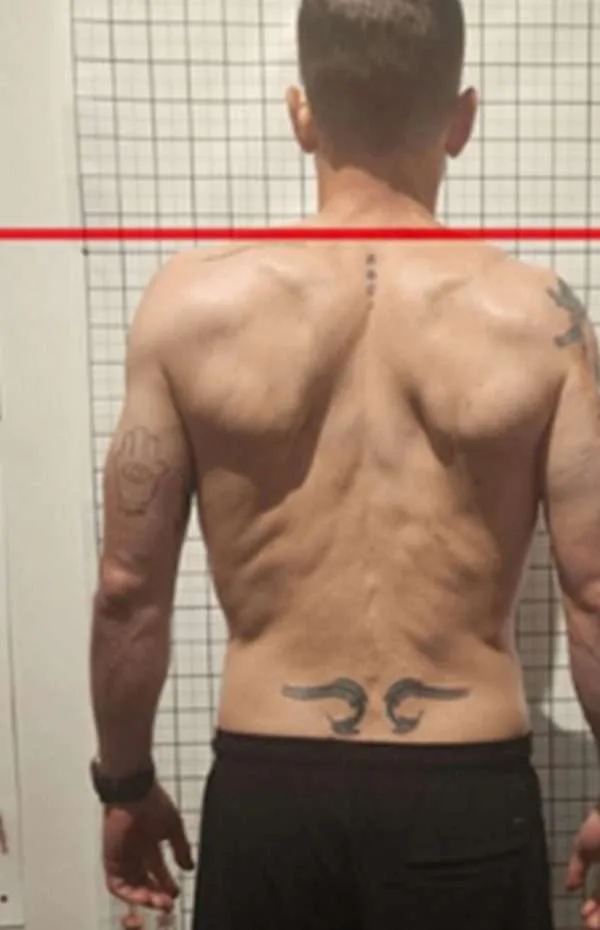 After
Neck & Upper-Back Mobility Improved neck and upper-back mobility following focused myofascial work.
Reviews and photos are shown separately. A review may not be from the client pictured.
Visit Us in Westwood
The Bluff Technique Healing Center



Contact Us
We’d love to hear from you
For more information or to get a free quote, call us at (570) 228-9132 or complete the contact form.
